Black Sea Shipping Bottlenecks and Surging Domestic Reserves
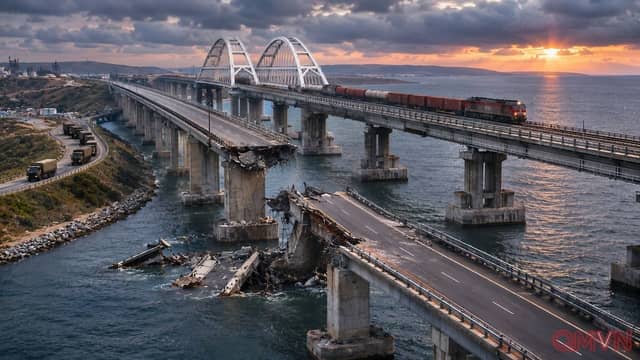
Since early July, commercial grain exports from the Russian Federation have dropped precipitously by roughly one-third of their baseline volume as retaliatory aerial and naval drone strikes across Black Sea and Sea of Azov ports severed access to international maritime shipping lanes. The effective closure of one of the planet's busiest grain corridors has created an acute structural accumulation of agricultural commodities across inland farming regions.
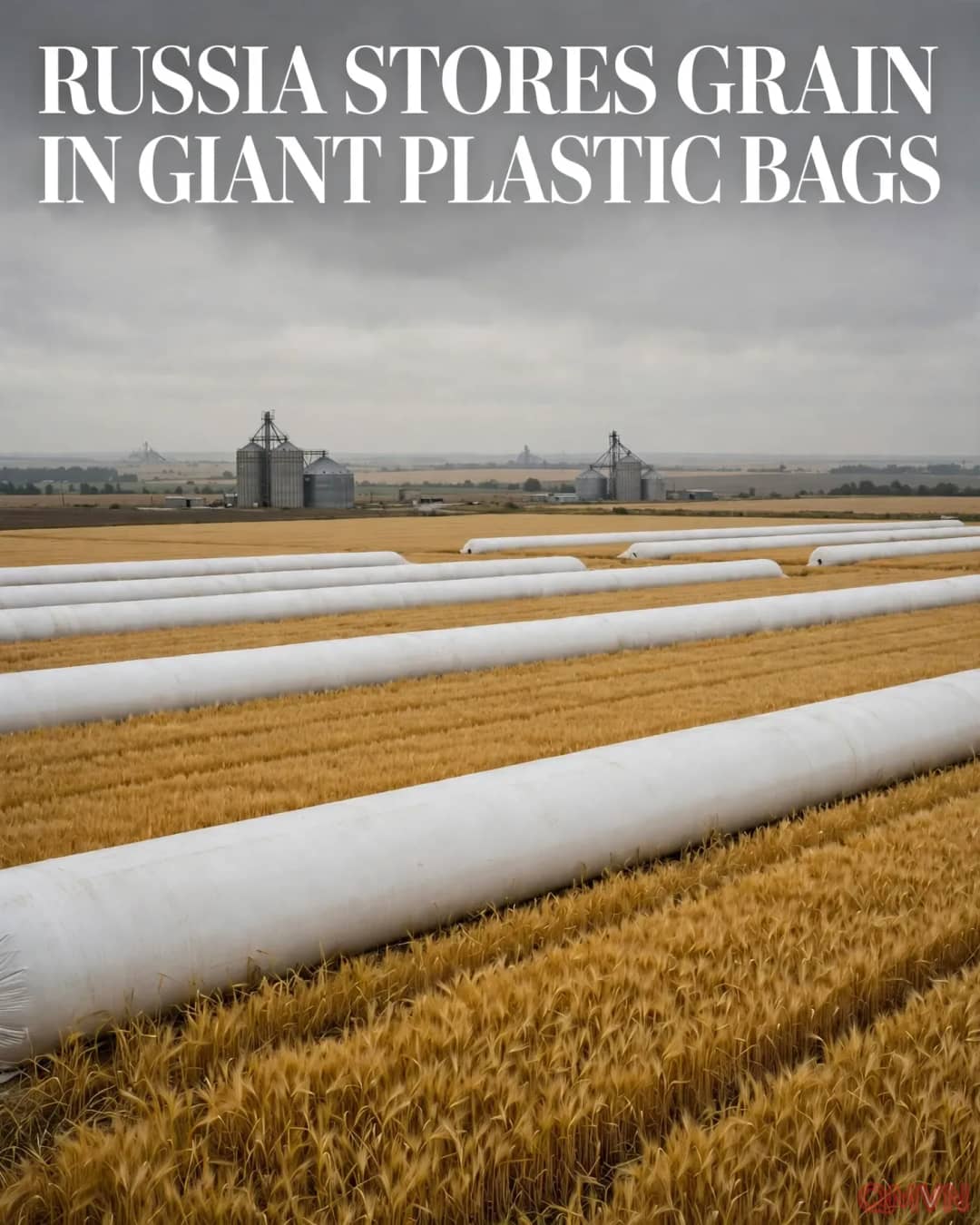
Agricultural consultancy IKAR estimates that stranded grain requiring emergency storage could reach up to 20 million tons this season, awaiting an internationally negotiated diplomatic settlement to reopen sea lanes. Consequently, domestic farming conglomerates have rapidly accelerated their adoption of Argentinian-invented polyethylene vacuum silo bags as an elastic alternative to stationary vertical elevators.
"We have a substantial increase in the usage of so-called Argentinian silo bags. We think that these bags can take up to twenty million tons of Russian crops." Dmitry Rylko
Economic Inefficiencies of Soviet Silos and Elevated Financing Costs
Dmitry Garnov, deputy chief executive of agro-holding Aeon Agro in the central Penza territory, confirmed that the company's utilization of plastic silo bags has expanded eightfold since 2023 to 180,000 tons, encompassing over half its seasonal harvest. Persistently high domestic central bank interest rates have priced farmers out of capital-intensive vertical concrete elevator investments, rendering the bags the sole financially feasible storage medium.