From the post-2011 peak to the 2021 defeat
The PJD was the political force that benefited most from the reform atmosphere following Morocco’s 2011 protests. In the November election that year, it won 107 of 395 seats and Abdelilah Benkirane became head of government. The 2011 constitution expanded the formal powers of parliament and government while retaining a central role for the monarchy. The king appoints the head of government from the party leading the House of Representatives and chairs the Council of Ministers, where strategic state-policy orientations are considered.
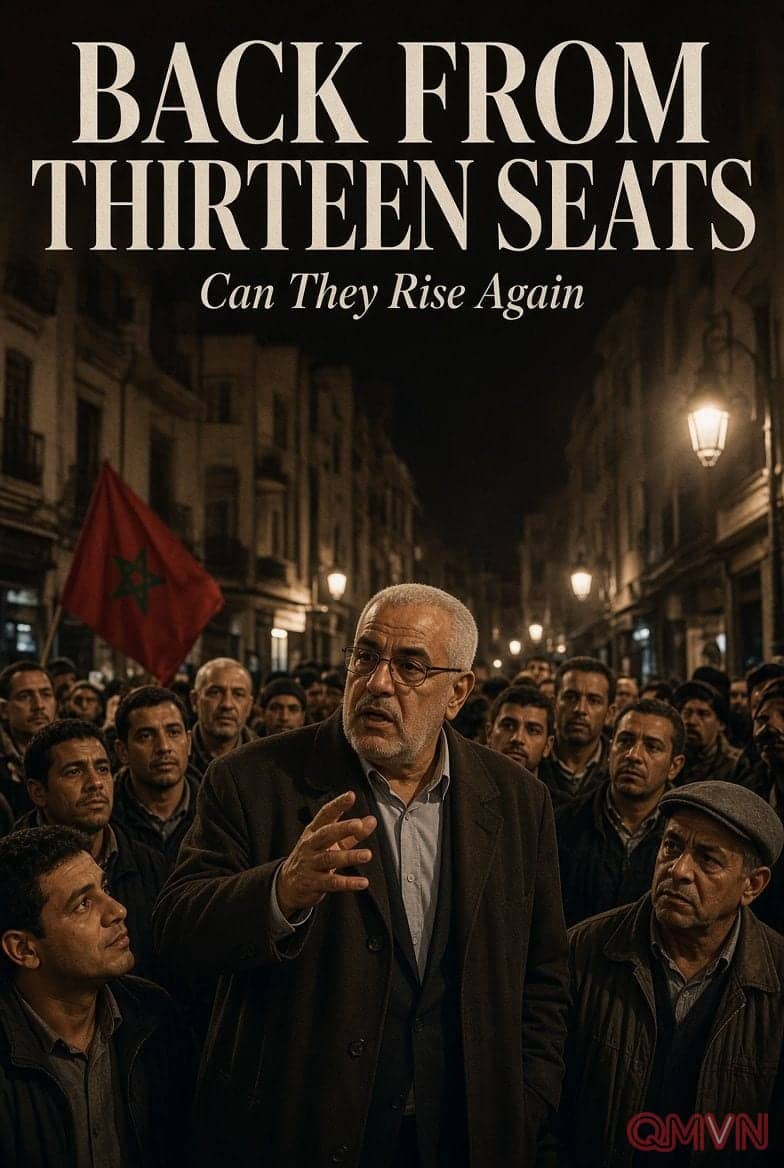
The PJD increased its tally to 125 seats in the 2016 election, but coalition formation took months. In March 2017, King Mohammed VI ended Benkirane’s mandate and appointed Saadeddine Othmani to replace him. At the September 2021 election, the PJD fell from 125 to 13 seats, losing 112. The RNI won 102 seats and became the largest party. The scale of the defeat forced the PJD to confront a hard question: did voters leave because of the system’s limits, the party’s choices in office, or both?
A party truly learns from defeat when it dares to look at what voters no longer wished to forgive.