MAIN CONTENT
A request for access, and a widening information gap
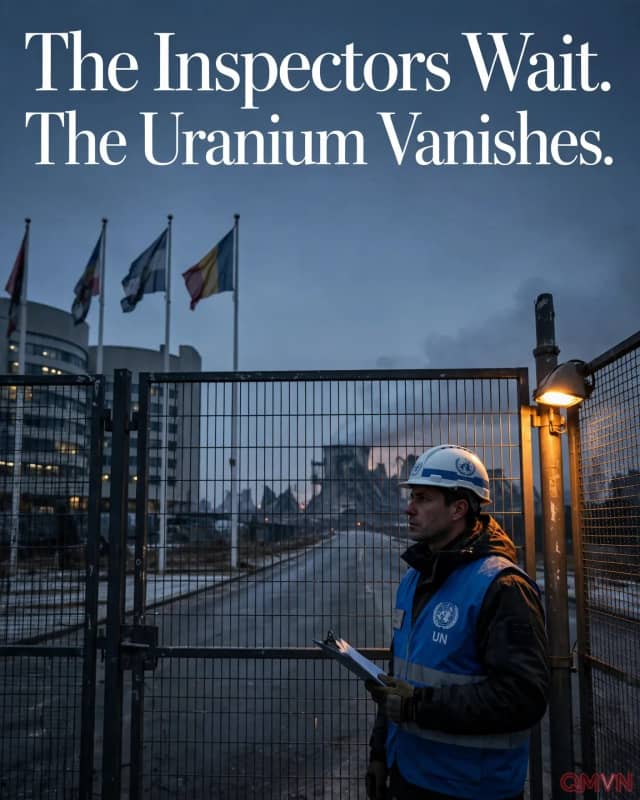
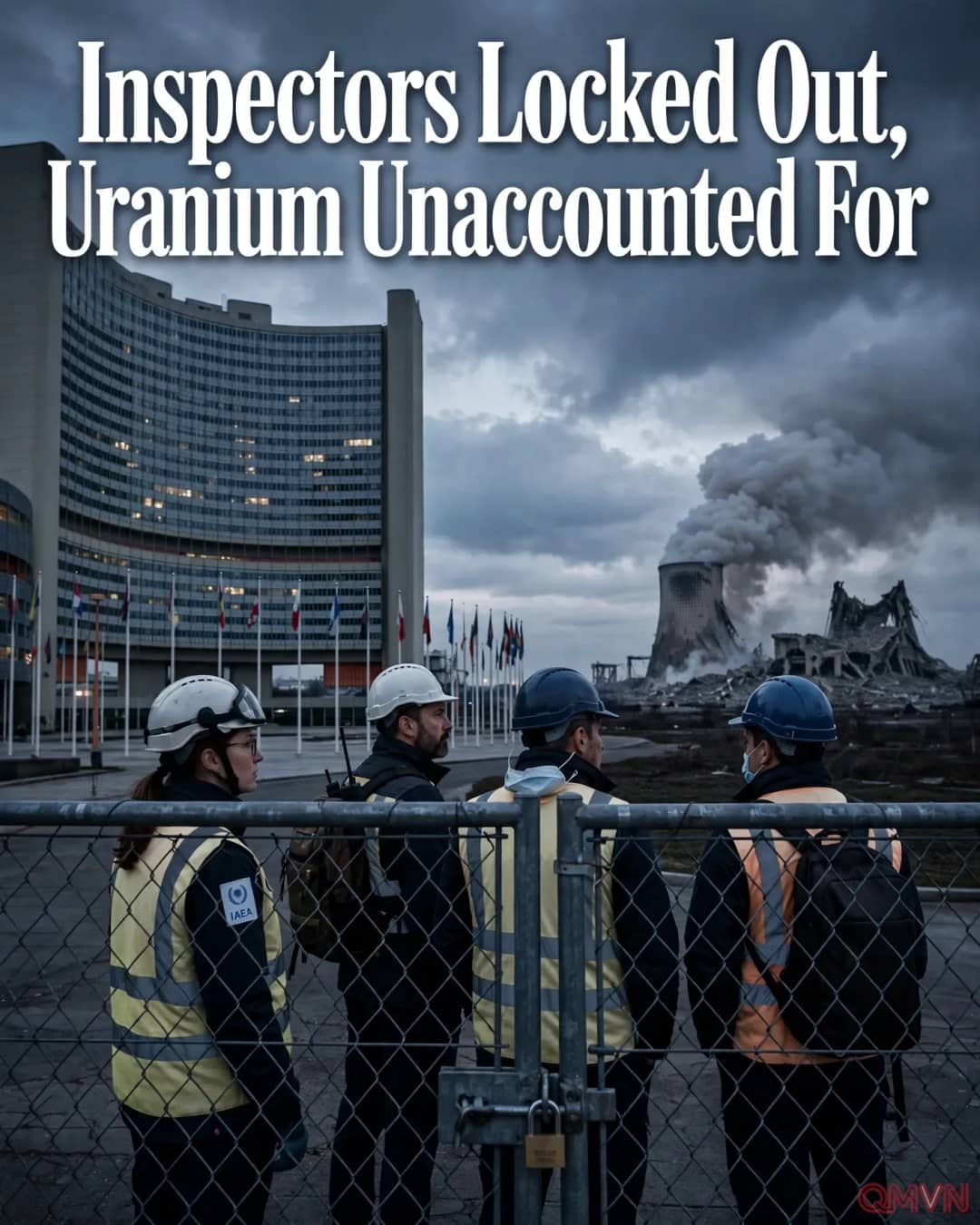
The four Western governments used a joint statement to the IAEA’s 35-member Board of Governors to press Iran to grant access to facilities struck during the 12-day conflict in June 2025. They accused Tehran of deliberately obstructing the agency. Their central argument was technical: the longer inspectors remain absent, the harder it becomes to reconstruct a reliable account of nuclear material that the agency had previously measured and monitored. A damaged installation is not automatically a transparent installation; what matters is independent access to material, records and equipment.
IAEA Director General Rafael Grossi told governors that inspections during the previous quarter had been confined to Bushehr, a power station not damaged by the attacks. The agency has not been able to check the affected enrichment sites or establish a verified picture of the stockpile of highly enriched uranium. That gap does not by itself demonstrate that Iran has built a weapon or diverted material. It means that an internationally recognised verification system lacks the observations needed to draw firm conclusions.