The court’s ruling
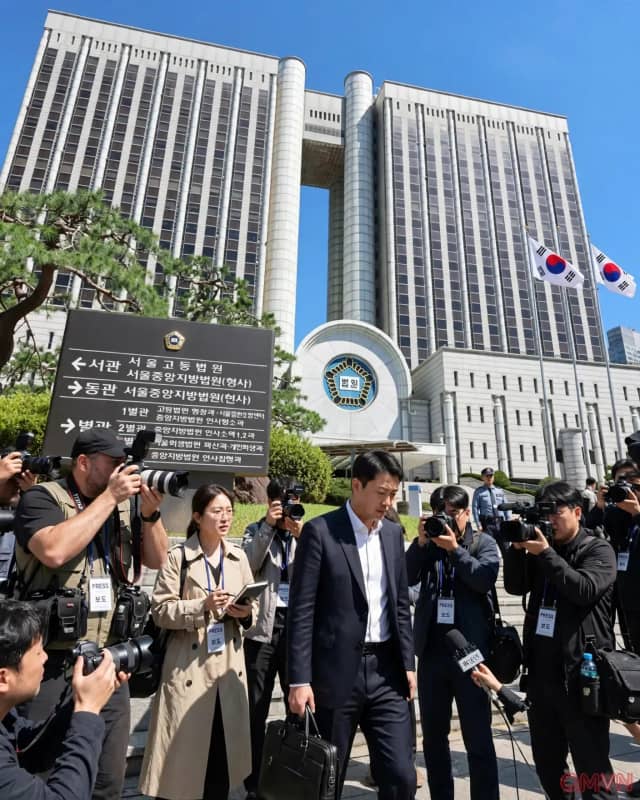
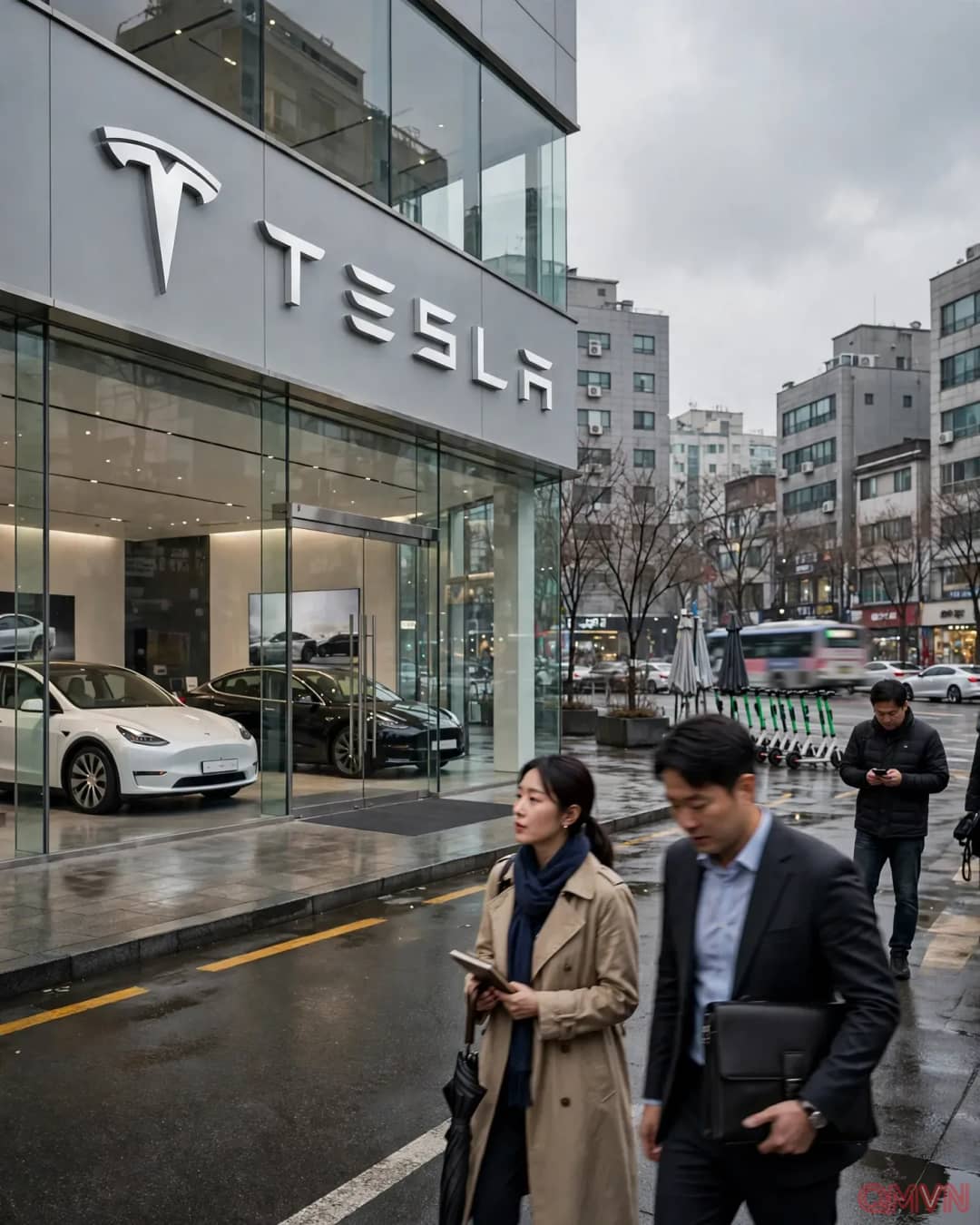
The Seoul Central District Court concluded that Tesla had not breached its contractual obligations. The court’s main reasoning included:
- The FSD package did not promise fully autonomous driving without human intervention.
- Tesla had provided basic Autopilot and Enhanced Autopilot, plus a recent update adding traffic light and sign recognition and city-driving capabilities for vehicles with Hardware 3 (HW3) computers.
- Delivering more features depended on technological advances and regulatory approval, and buyers knew some functions could take considerable time to arrive.
The ruling sets an important precedent in defining the line between advertising a technological vision and making a binding contractual commitment.
Two views of one promise
For the plaintiffs, who paid extra for FSD years ago, the issue lies in the expectations the product’s name created. Hwang, who initiated the group lawsuit, argued that a reduced version of the features was not what they had bought.
What consumers bought was the fully autonomous driving option, not a partial version.