MAIN CONTENT
Chinese cosmetics step onto the world stage
Proya Cosmetics, the largest C-beauty brand by revenue, is among the most aggressive. Its Advanced Firming and Original Repair skincare lines will be sold in 400 Ulta stores and on Ulta.com across the US from November, and it opened a Paris research and development centre this month. Other brands that started online are now expanding into physical stores abroad:
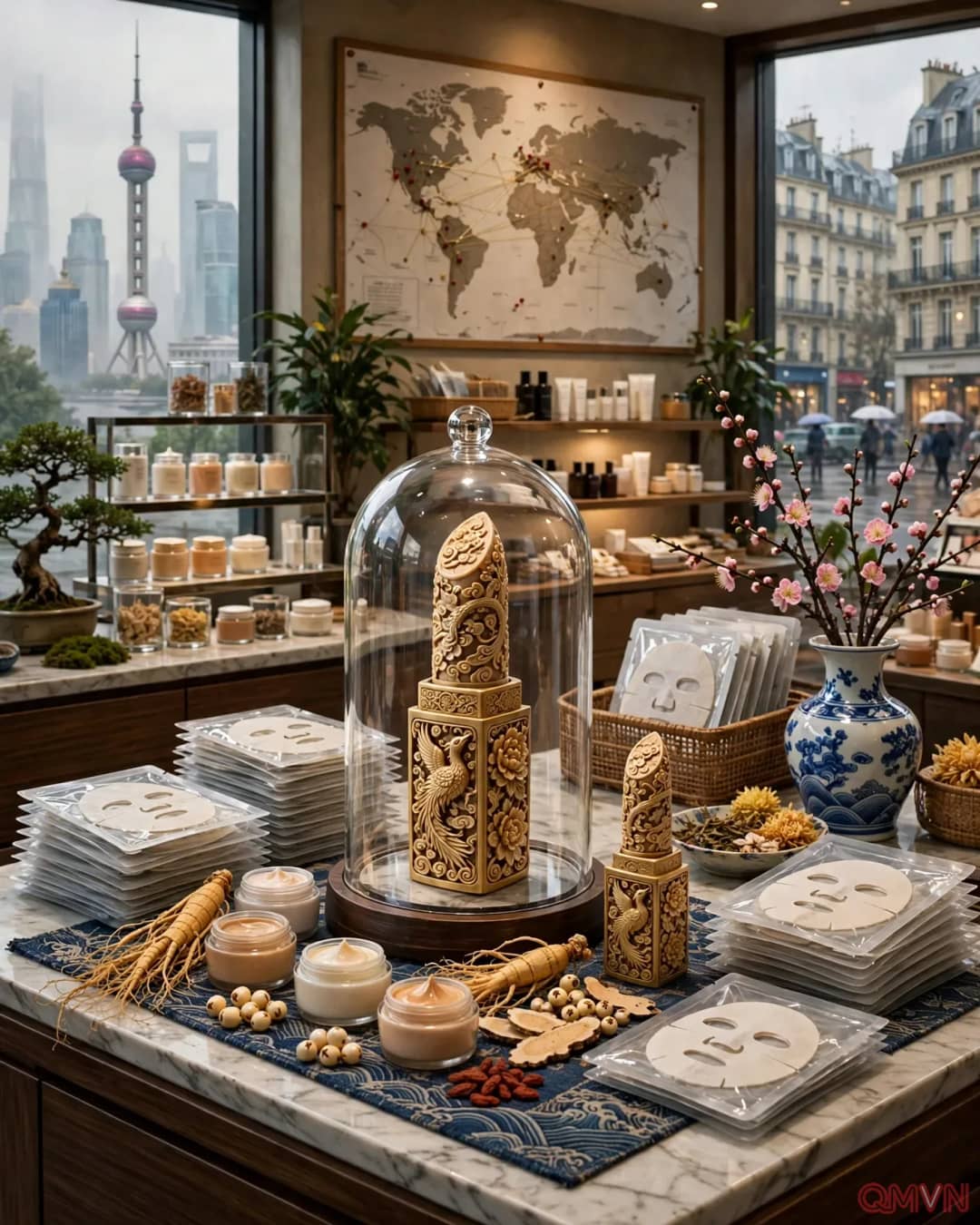
- Florasis, known for ornate lipsticks and cosmetics inspired by traditional Chinese aesthetics, opened its first overseas flagship in Tokyo's upscale Ginza district last year.
- Joocyee, which makes skincare-infused makeup, and Judydoll, known for its metal-wand mascara, both owned by Joy Group, opened shops in Singapore last year and are stocked by UK retailer Skin Cupid.
- Flower Knows, the 51% Proya-owned colour cosmetics brand with fairytale-inspired packaging, launched with Boots in Britain in March and began a limited run in Ulta stores in September.
From “cheap goods” to new confidence
C-beauty brands have grown rapidly in China over the past decade, and executives now speak of growing confidence that Chinese products will win over consumers worldwide. Gone are the days when China was associated with cheap, low-quality goods, they say, as Chinese innovation – particularly in electric vehicles – has produced a halo effect.