MAIN STORY
A race to supply the industry, not just build reactors
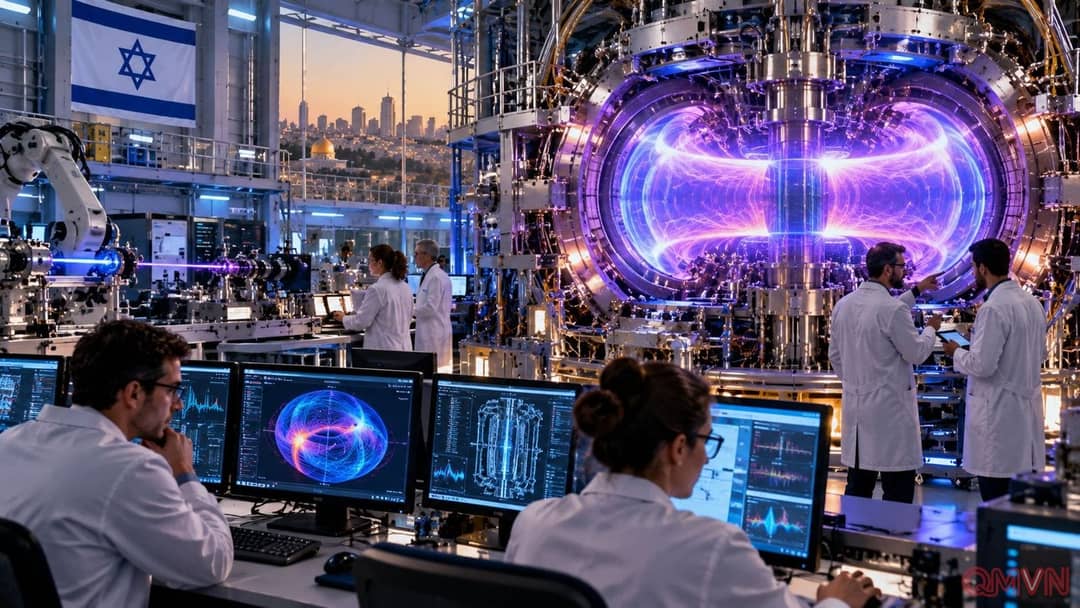
Israel’s energy ministry is asking how a relatively small but technologically sophisticated economy can enter a potentially transformative industry. Rather than trying only to deliver a complete commercial reactor, it proposes opportunities to make components and systems that fusion ventures elsewhere will need.
The capabilities identified include high-power lasers, radio-frequency electronics, power electronics, advanced materials, robotics and artificial intelligence. Those fields can contribute to plasma heating and control, diagnostics, component manufacturing and maintenance. Some grew from Israel’s defence and high-technology sectors.
Fusion combines light atomic nuclei at extreme temperatures to release energy. It differs from the fission reactions used by existing nuclear power stations. Its promise is considerable, but producing a sustained reaction, converting it into net electricity and doing so at an economic cost remain separate technical hurdles.
Three investment routes and a difficult budget choice
The report offers three pathways, ranging from an expanded Israeli Institute for Nuclear Fusion and Hot Plasma to a comprehensive national initiative. The most ambitious could cost up to 2 billion shekels, approximately $644 million at the rate cited by Reuters.