MAIN CONTENT
A sweeping argument that requires care
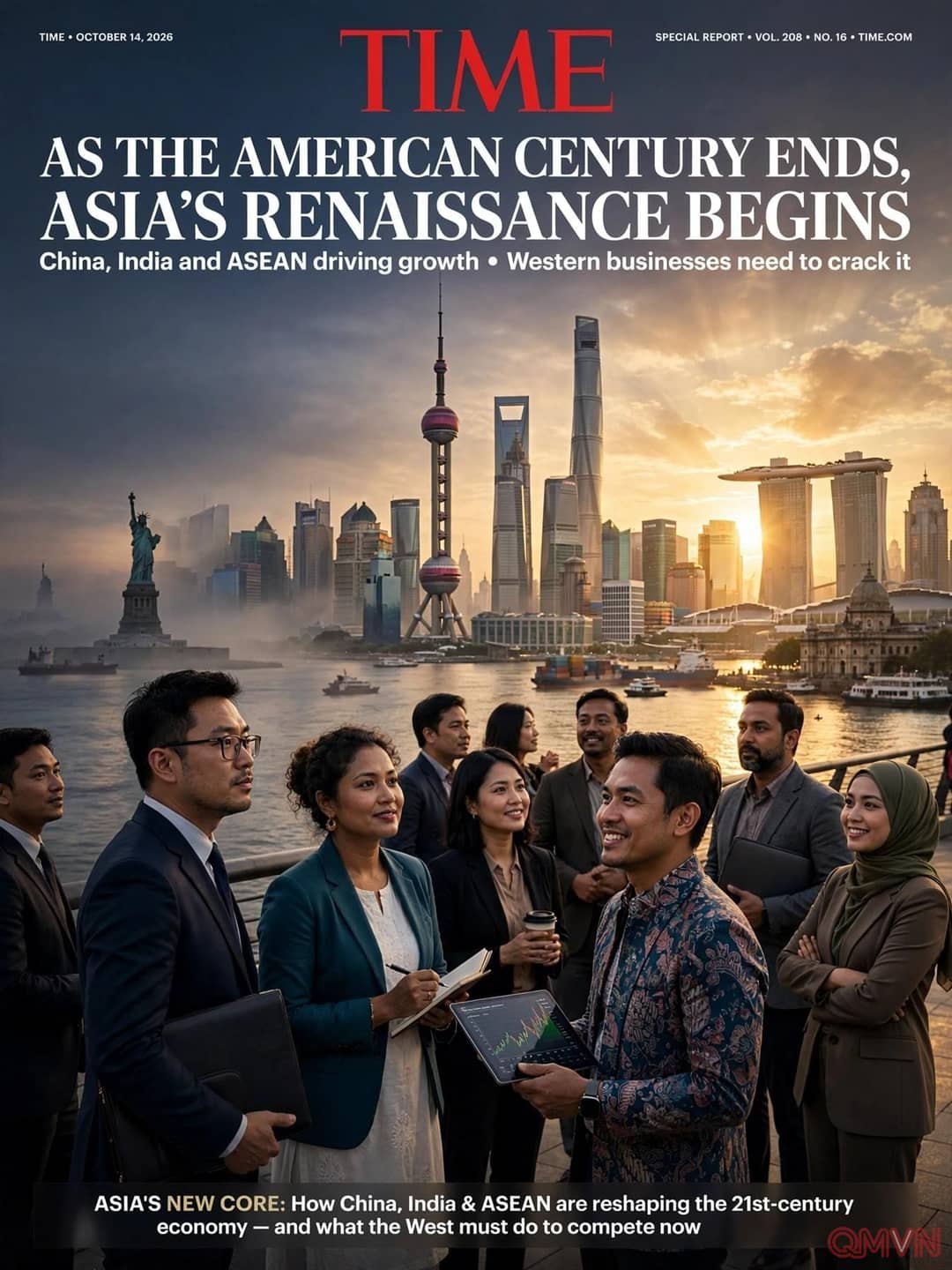
The phrase “American century” usually describes the exceptional economic, military, technological and cultural influence of the United States after the Second World War. Mahbubani and Okun contend that this era is reaching a turning point because the American economy no longer dominates the world as it once did. The formulation is provocative, but it is best understood as an analytical frame rather than a universally accepted historical date.
International power rarely transfers in a single moment. A country can lose relative share while continuing to grow and shape global rules. The United States retains difficult-to-replace advantages in the dollar, finance, research, entrepreneurship and its capacity to attract talent. The useful question is therefore not which power disappears. It is how influence is being distributed, how institutions adapt and whether competition can remain compatible with prosperity and peace.
Forces making Asia more prominent
Recent forecasts underline the region’s weight. The IMF projects India to grow by 6.4 percent in 2026 and China by about 4.6 percent. The Asian Development Bank expects developing Asia and the Pacific to expand by roughly 4.9 percent. Performance varies greatly across countries, but these rates exceed those of many mature economies and continue to enlarge consumer markets, cities, infrastructure needs and pools of skilled labor.