From regime change to defeat in Washington
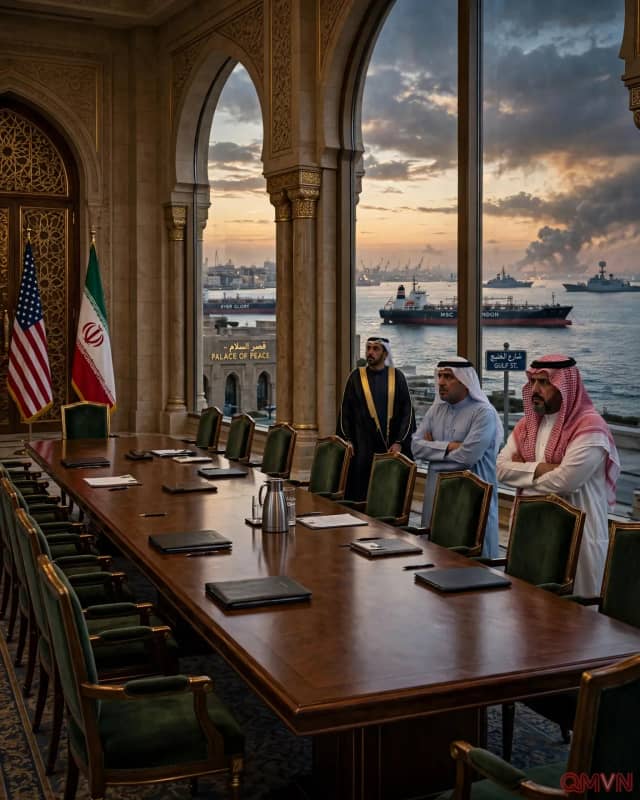
The war began with US and Israeli strikes on Iran on February 28, with an aim many saw as regime change in Tehran. According to Reuters, the conflict then spread as Iran fired missiles and drones at Gulf targets and at shipping in the Strait of Hormuz, disrupting global energy supplies. The campaign badly damaged Iran's military capabilities but failed to deliver a decisive result, and the question of its nuclear programme remains unresolved.
In the end, it was Trump's own standing in Washington that gave way. According to a source close to a US Gulf ally, the scale of the Democratic victory left regional officials stunned. Just a week earlier, Israeli voters had dealt their own blow to Prime Minister Benjamin Netanyahu: his right-wing bloc won only 53 of the Knesset's 120 seats in the October 27 election, eight short of a majority.
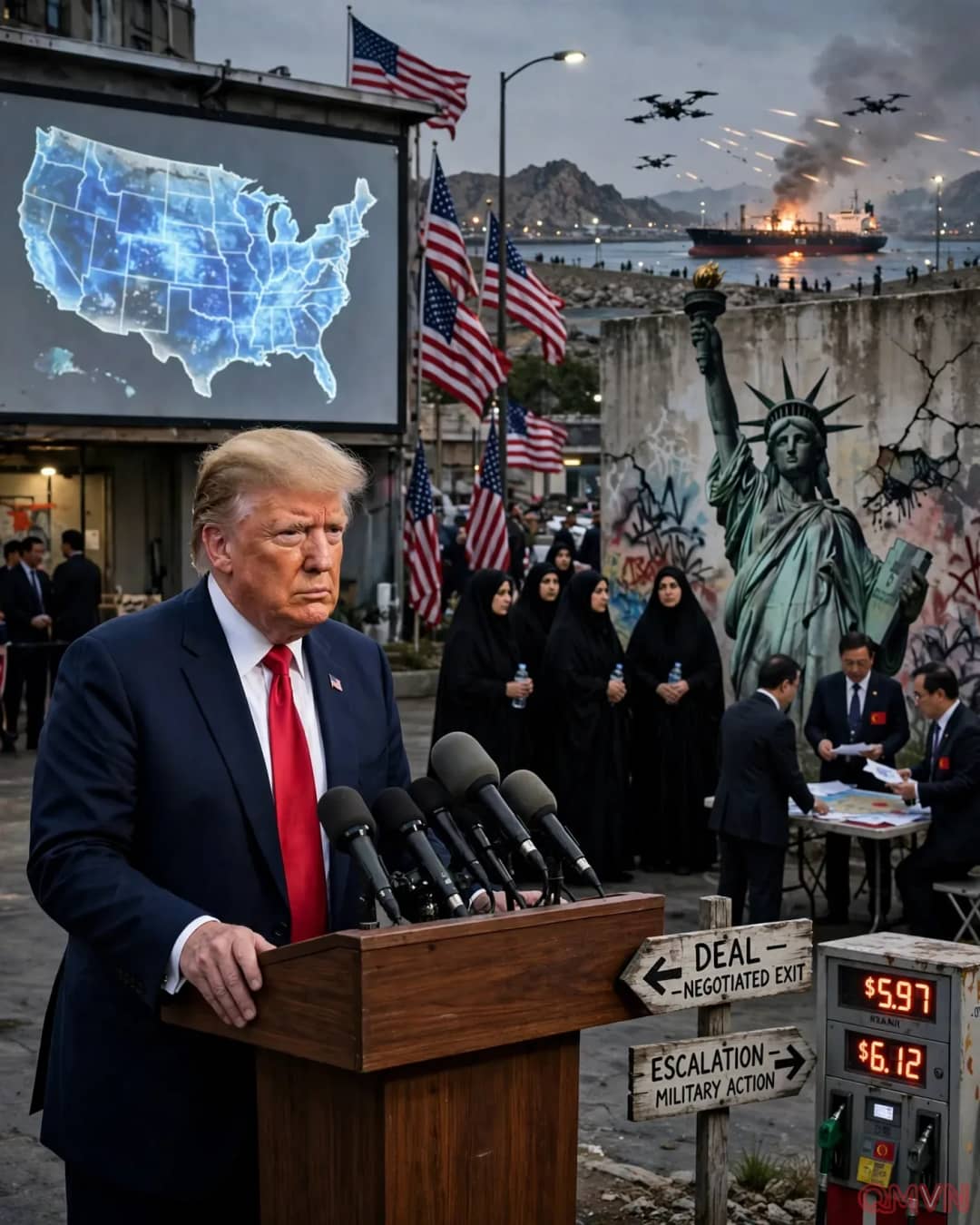
Deal or escalation: two roads for the White House
Two sources close to Gulf government circles said a full-scale assault on Iran now looks less likely. Instead, limited strikes on nuclear facilities could let Washington claim its goals had been met and close the conflict, as China steps up efforts to broker a settlement.