MAIN CONTENT
Customs Classification Dispute Splits Bottled and Bulk Scotch Imports
According to a Reuters explainer published in mid-November 2026, the regulatory standoff centers on how New Delhi interprets tariff concessions negotiated under the historic India-UK trade deal implemented on July 15, 2026. Under that agreement, India committed to cutting import taxes on eligible Scotch whisky immediately to 75% from 150%, with a phased reduction to 40% over ten years.
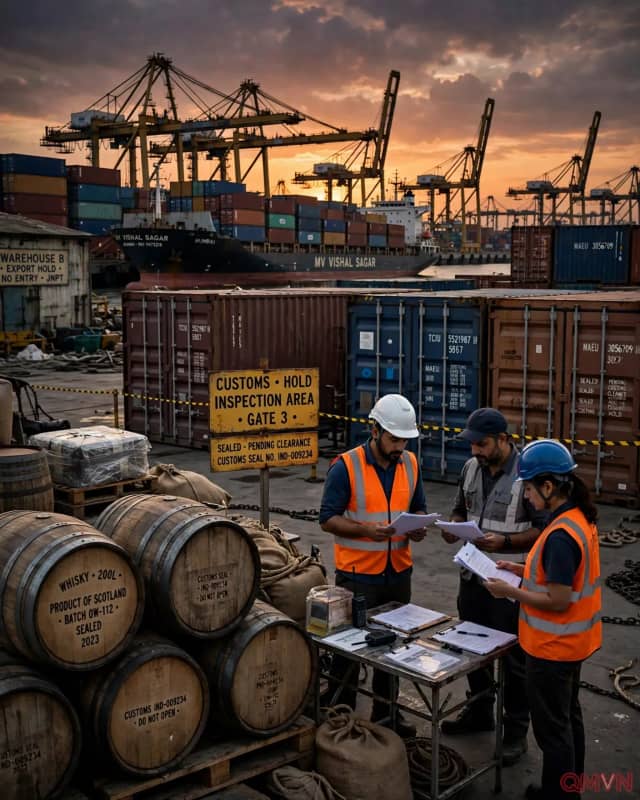
In recent weeks, however, Indian tax investigators searched the offices of several major liquor firms, arguing that while bottled single malts such as The Glenlivet qualify for the 75% rate, bulk Scotch shipped in containers falls under a customs classification introduced in May for compound alcoholic preparations used to manufacture beverages—attracting the legacy 150% tariff.
"Compound alcoholic beverages are essentially flavoured or modified alcohols, whereas bulk Scotch Whisky is a distilled alcoholic beverage produced with malted barley and water." Rajnish Singh.
Why Bulk Shipments Are the Lifeblood of India's Blended Whisky Market
The classification battle carries enormous commercial stakes because India ranks as Scotch whisky's largest export market worldwide by volume, absorbing the equivalent of more than 220 million bottles in 2025 according to the UK-based Scotch Whisky Association. Industry estimates indicate that roughly 80% of that volume arrives in bulk rather than finished bottles.