MAIN ARTICLE
An American election reaches Tehran’s negotiating table
Elections do not settle wars abroad, but they alter how adversaries assess each other's political endurance. Following Republican setbacks in the November midterms, officials interviewed by The New York Times described an Iranian leadership increasingly inclined to interpret the results as a public rebuke of the war's costs. That interpretation strengthens Tehran's argument that Washington should move first. It does not, however, mean that electoral defeat in the United States amounts to a military victory for Iran.
Representative Jim Himes, expected to chair the House Intelligence Committee in the next Congress, warned that Iranian leaders understand American domestic politics. His assessment comes with a paradox: Tehran can feel newly empowered at the negotiating table while remaining under severe economic strain from sanctions and restrictions on trade. A cornered government might compromise to secure relief. It might also escalate, believing confrontation will extract better terms. Neither outcome is guaranteed by the election results alone.
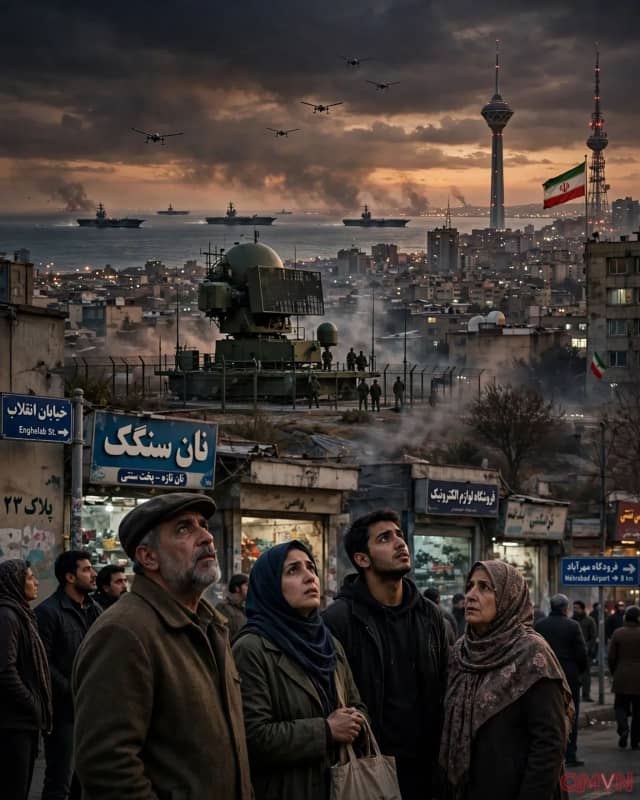
Hormuz is leverage and a dangerous pressure point
The principal disagreement is about sequencing. Reuters reports that Tehran wants the blockade lifted, access to frozen assets and oil exports restored before committing to substantive nuclear concessions. Washington seeks reciprocal, verifiable action from the outset, including protection for commercial vessels.