A courtroom battle fought with quiet confidence
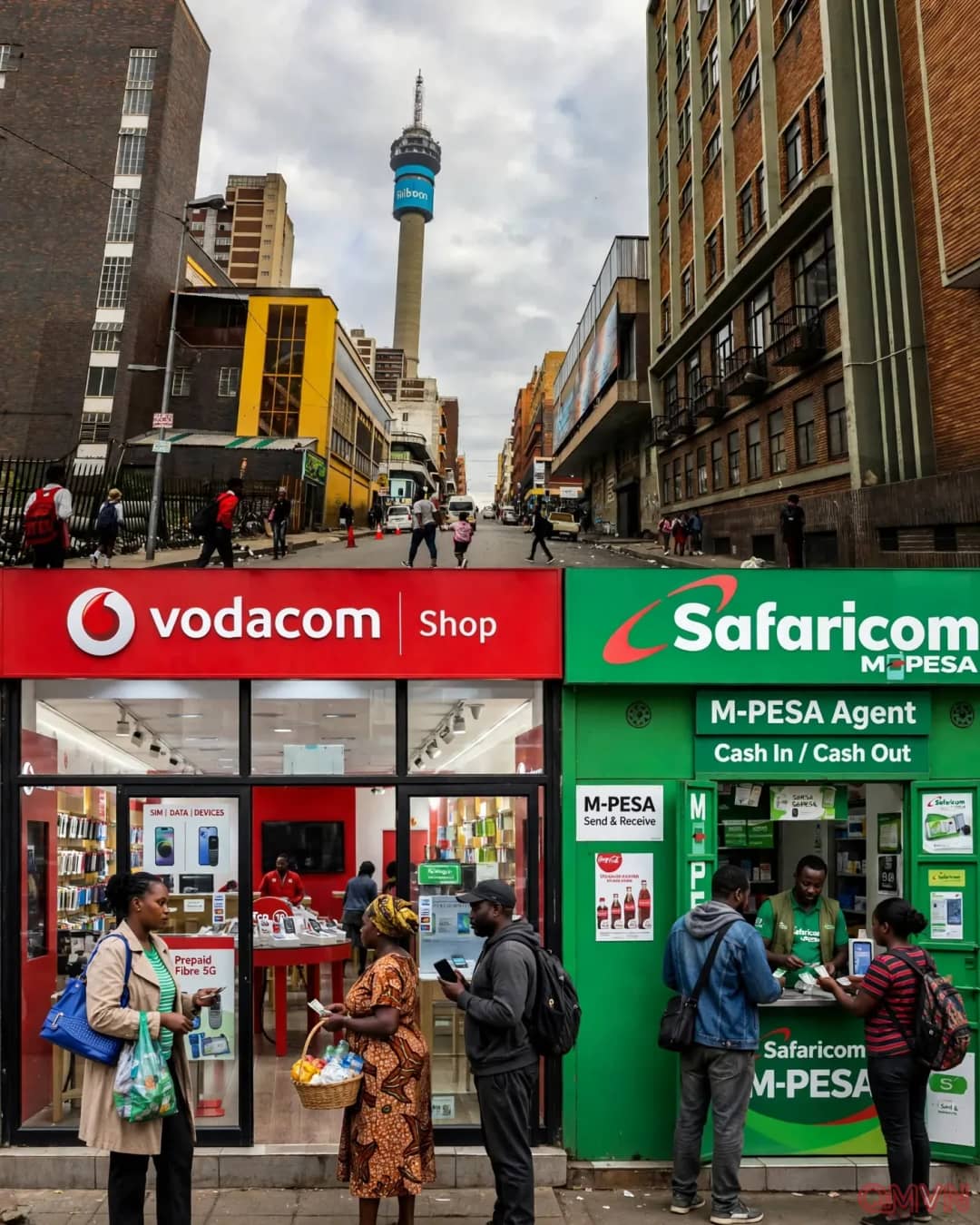
Speaking on a media call from Johannesburg, Joosub struck a calm but firm tone. Vodacom raised its holding in Safaricom to 55% in a deal completed in June, only for a three-judge bench of Kenya's High Court to rule in September that the sale had not adequately involved the public and that material information had been concealed. The court ordered the 15% holding returned to the government, and both Vodacom and the Kenyan state have since appealed.
“Basically, we did everything by the book.” — Shameel Joosub
The appellate court has directed that the prevailing status quo be maintained until it reaches a decision, meaning the disputed shares remain registered in Vodacom's name. Investors appeared reassured: by 11:20 UTC, Vodacom's stock was trading just over 5% higher in Johannesburg, a sign that the market sees a reasonable chance of the deal surviving.
The numbers behind the confidence
For the six months ended September 30, headline earnings per share rose to 5.87 rand from 4.67 rand a year earlier, a gain of roughly 26%. Service revenue grew 29% to 85.1 billion rand, about $5.20 billion, largely because Safaricom is now consolidated as a subsidiary.