MAIN CONTENT
A major agreement, not yet a completed transaction
On November 23, Brookfield and Blackstone announced that Brookfield would acquire PGP Glass through its flagship private-equity strategy. The stated $1.7 billion transaction value places a substantial price on an industrial business with international customers and specialized manufacturing capacity. It is not, however, the same as Blackstone's net investment profit, nor is it necessarily an amount that will flow into PGP Glass for capital spending.
The announcement concerns a change in financial ownership, rather than the immediate opening of a production facility or the signing of a new customer order. Completion remains subject to the relevant transaction conditions and processes. Distinguishing an agreement from a legally completed acquisition matters because financing costs, approvals and commercial conditions can change what ultimately follows for a business.
“We welcome Brookfield and look forward to working with them to accelerate our next phase of growth and value creation.” — Vijay Shah, CEO of PGP Glass.
Why sophisticated glass containers draw capital
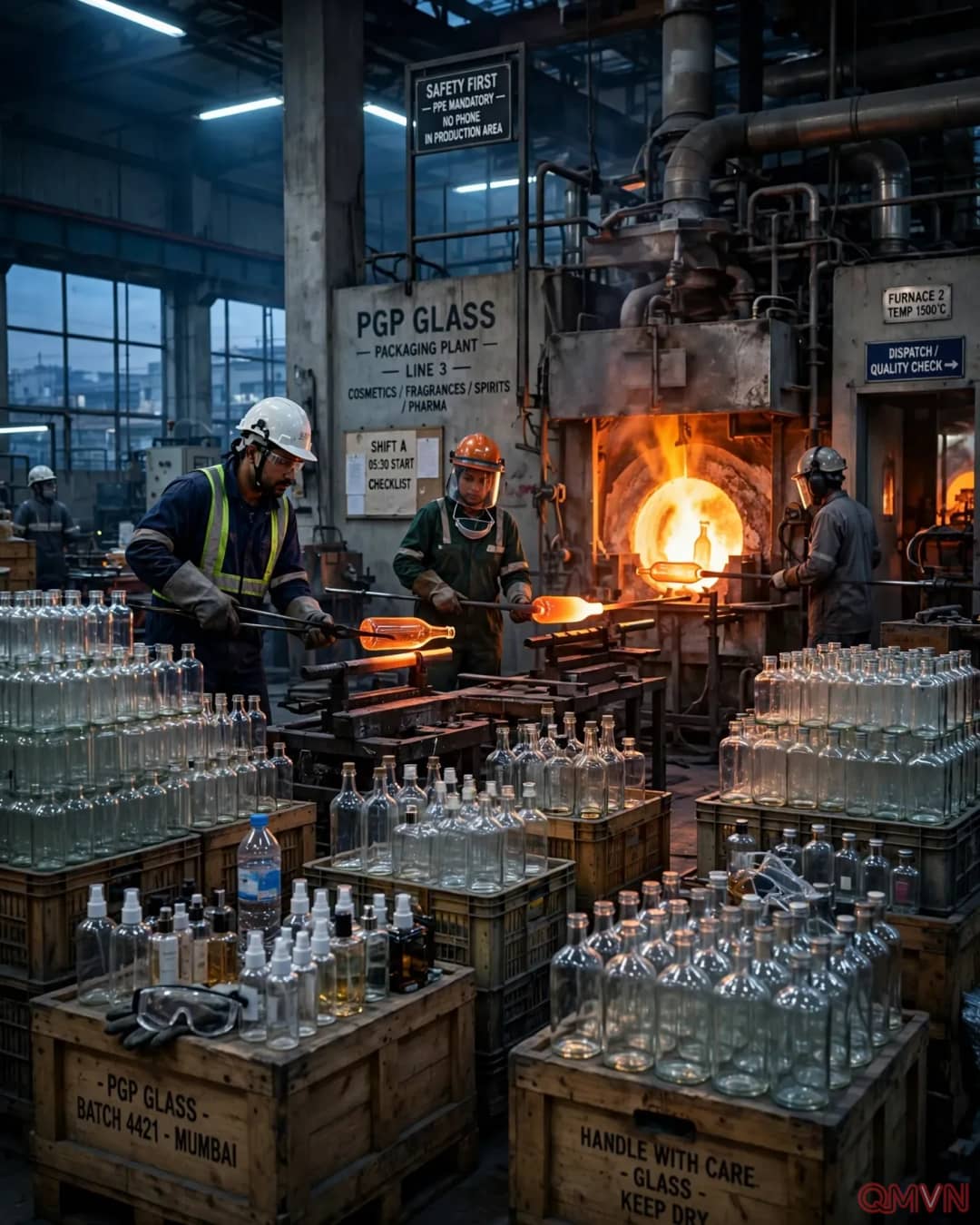
PGP Glass designs, manufactures and decorates glass packaging for industries whose needs vary considerably. A fragrance bottle must communicate a brand's identity through shape and finish, while a pharmaceutical container is judged against exacting functional and quality requirements.
Combining industrial scale with customized production can give a packaging supplier a position in higher-value markets rather than leaving it dependent on commodity containers alone.
Reuters, citing company information, reported 13 furnaces and capacity exceeding 1,800 tonnes per day. Other corporate materials published at different times have quoted different numbers, reflecting changes in reporting dates or scope. None of these capacity figures should be confused with actual daily output. PGP Glass operates in markets including India, Britain and Brazil, exposing it to both opportunities and variations in demand across regions.
Growth opportunities come with industrial pressures
Premium packaging, brand differentiation and increasingly complex product requirements may support demand for specialty glass. Yet glassmaking is an energy-intensive activity. Furnace maintenance, fuel and electricity prices, equipment upgrades and international freight all influence the economics of production. Currency movements and shifts in orders from cosmetics or beverages customers can also affect margins, whatever the size of the investment firm behind the factory.
Brookfield manages more than $1 trillion across infrastructure, renewable power, private equity, property and credit, according to Reuters. That breadth can bring financing access and operational expertise, but it cannot guarantee growth. A more revealing measure of success will be whether the new owner strengthens furnace technology, design capabilities, energy efficiency and dependable customer relationships over the years ahead.
What the sale says about Indian manufacturing
For India, the transaction highlights an investment story beyond software and consumer internet platforms. Global pools of capital also seek factories that make tangible goods, maintain recurring commercial relationships and possess skills difficult to replicate quickly. A sizeable sale of such an industrial asset may prompt investors to reconsider the value of advanced materials and packaging supply chains.
But a new shareholder does not automatically create jobs, cut prices or increase output. Those outcomes depend on actual investment and management decisions, and deserve scrutiny from employees, clients and surrounding communities. The lasting significance of the deal will be measured less by today's headline valuation than by whether PGP Glass can improve its competitiveness without compromising its long-term responsibilities.