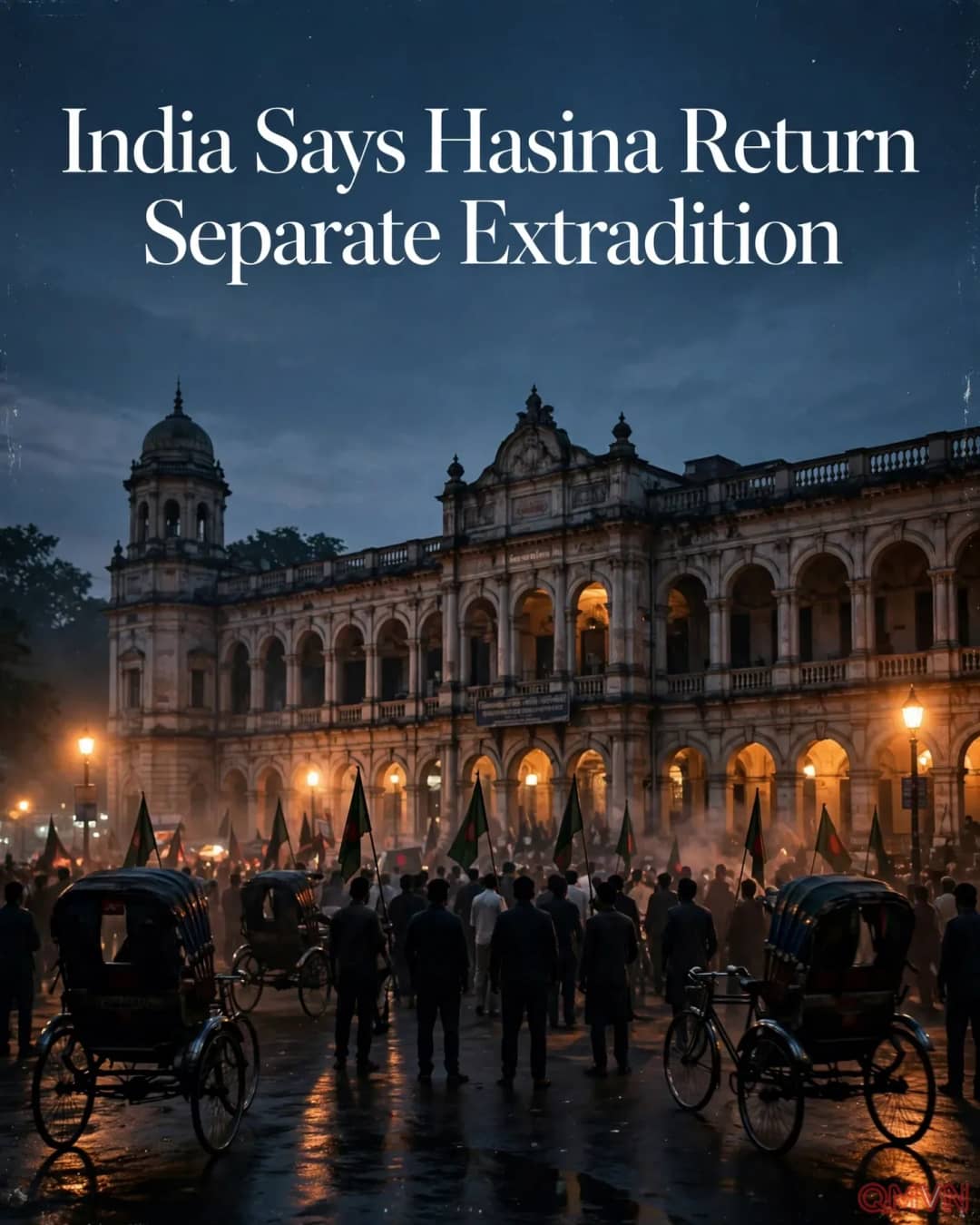
Two different legal paths
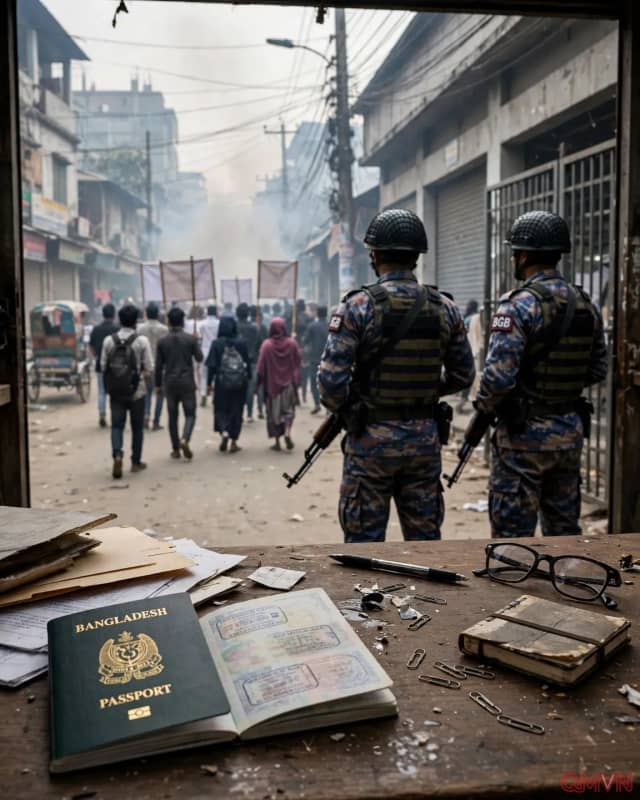
Indian foreign ministry spokesperson Randhir Jaiswal explained on November 25 that a voluntary journey using a travel document is distinct from an extradition proceeding. India continues to examine the latter through its established procedures. The statement does not amount to permission to travel, rejection of the request or a commitment to surrender Hasina. Each conclusion would require further official confirmation.
Extradition ordinarily involves cooperation between governments to transfer a person for criminal proceedings or enforcement of a sentence. Voluntary return, by contrast, begins with an individual’s decision to travel. Neither route necessarily removes the legal consequences awaiting that person at the destination. In this case the distinction matters because Bangladesh has explicitly framed its demand in terms of an existing conviction.
A date with political significance
According to AP on November 24, Hasina’s proposed date coincides with the anniversary of Bangladesh’s victory in the 1971 liberation war. The date carries significance extending far beyond the former prime minister and her party.