MAIN CONTENT
A small segment with an outsized financial profile
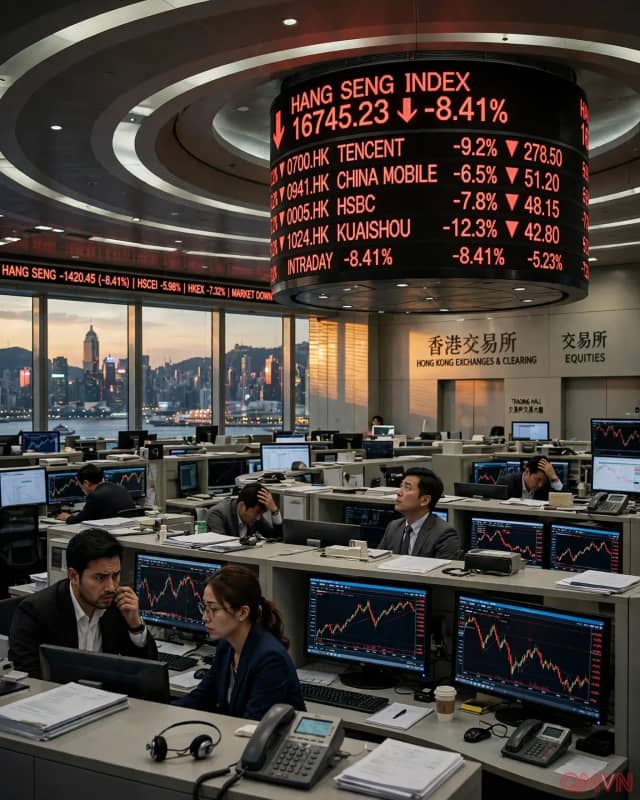
The label 'neocloud' typically describes specialized providers that rent high-performance computing capacity, often powered by graphics processing units, to AI developers and enterprises. Unlike established hyperscale operators, some rely on substantial borrowing or outside capital to build facilities and purchase expensive hardware. That creates a particular vulnerability: financing costs arrive predictably, while utilization rates and customer revenue may not. Reuters reported that shares of firms including CoreWeave have faced pressure as investors reassessed this mismatch.
Kim Yong-kwan told the Singapore gathering that neoclouds represent approximately 8% of the overall market. That figure was Samsung’s characterization, not an independently audited share across every category of AI infrastructure. His broader argument was that difficulties concentrated in a relatively small group should not automatically be extrapolated to cloud customers, large technology platforms and the entire semiconductor supply chain. Market share, however, does not capture all the possible links between customers, lenders and hardware vendors.
Why Samsung sees a different investment cycle
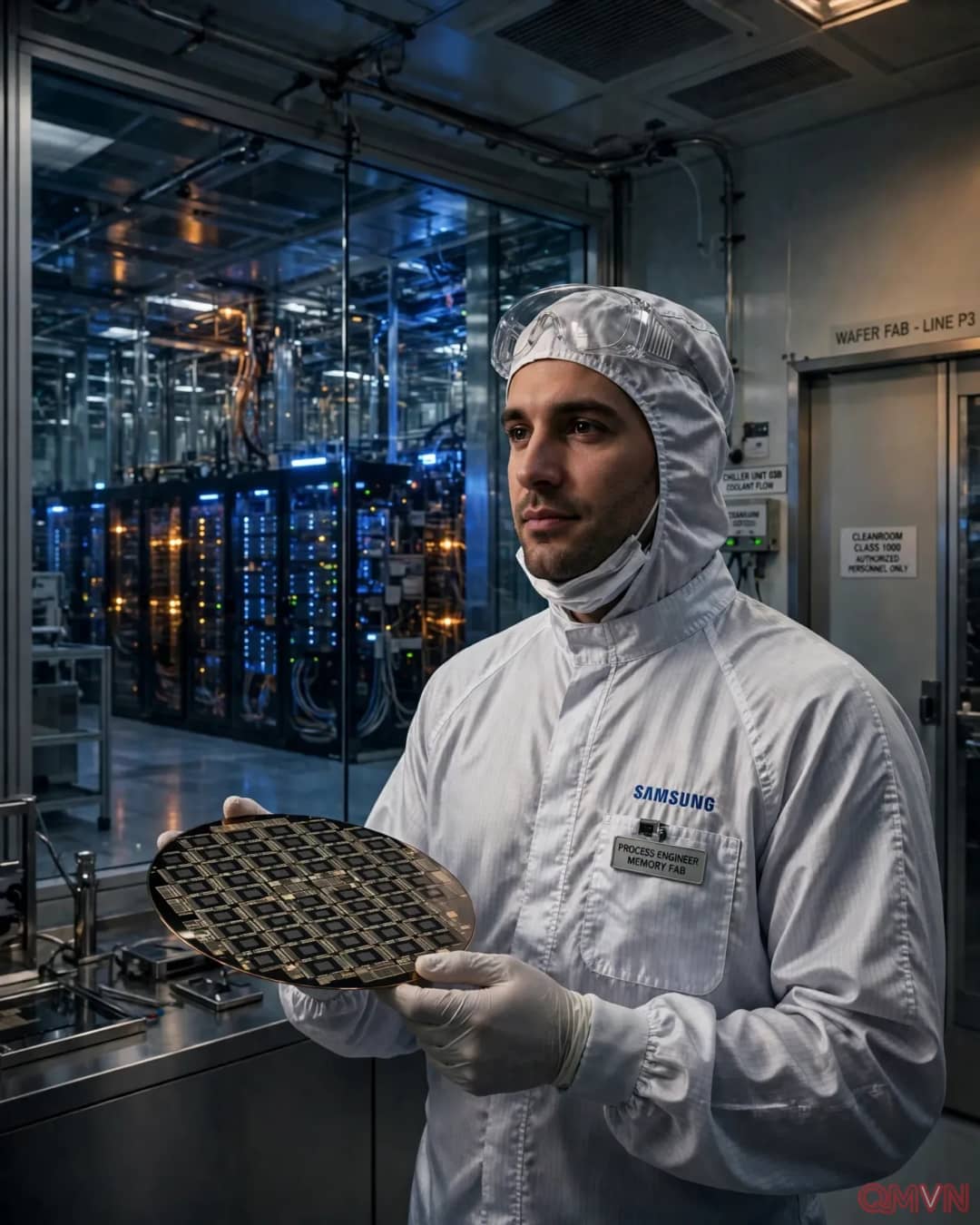
Samsung's optimism rests on the composition of demand. AI training and inference require large quantities of processing power, but also high-bandwidth memory, server DRAM and storage.
In its third-quarter 2026 results, Samsung described continued AI infrastructure investment and indicated that related demand was challenging available supply. Such demand can give semiconductor producers clearer production plans than the speculative orders that historically amplified memory-chip booms and busts.
At the conference, Kim distinguished today's spending from earlier periods in which enthusiasm encouraged excess capacity. He emphasized longer-term commitments between customers and manufacturers, which can improve visibility over future orders. Yet contracts are not guarantees against delays, renegotiations or changes in chip architecture. A structural growth story can coexist with cyclical price swings, execution problems and projects that prove uneconomic. For investors, the important question is not simply whether AI adoption expands, but which suppliers convert that expansion into lasting cash flow.
Nvidia leadership shock sharpens the funding question
The industry-wide debate intensified after Nvidia disclosed Jensen Huang's resignation on November 11, 2026, with Colette Kress assuming interim leadership. The company sits at the centre of AI computing infrastructure, and smaller providers often depend on access to its chips and on continued market confidence in the ecosystem. Reuters and AP reported that the leadership change increased scrutiny of funding arrangements and the sustainability of aggressive capital spending.
A financing shock need not erase underlying demand to cause damage. If lenders tighten terms or equity markets retreat, a neocloud can struggle to complete a facility even while potential customers want computing capacity. Conversely, a diversified operator with durable customers and prudent leverage may absorb a slowdown more effectively. Samsung's position, therefore, is not that risk has disappeared; it is that the collapse of one financing model would be different from the disappearance of AI demand itself.
Shareholder returns face the capital expenditure test
Samsung also used the event to address how it will distribute capital. Kim reiterated that the company's remaining shareholder-return commitments would combine cash dividends with a substantial share buyback-and-cancellation program. Specific details, he said, would be announced in January after management weighed several factors, including capital expenditures. The comments offered a direction of travel rather than a finalized amount or timetable for repurchases.
That balance is revealing. A memory-chip producer must invest ahead of demand, especially when production technology and customer requirements advance quickly. But shareholders also expect discipline when an industry is attracting immense amounts of capital. Samsung's argument will ultimately be tested in financial statements: whether higher-value memory products sustain profitability, whether investment is paced sensibly and whether promised capital returns materialize without weakening the business's resilience. Optimistic forecasts alone cannot settle those questions.