MAIN ARTICLE
The frontier shifts from shipping chips to renting compute
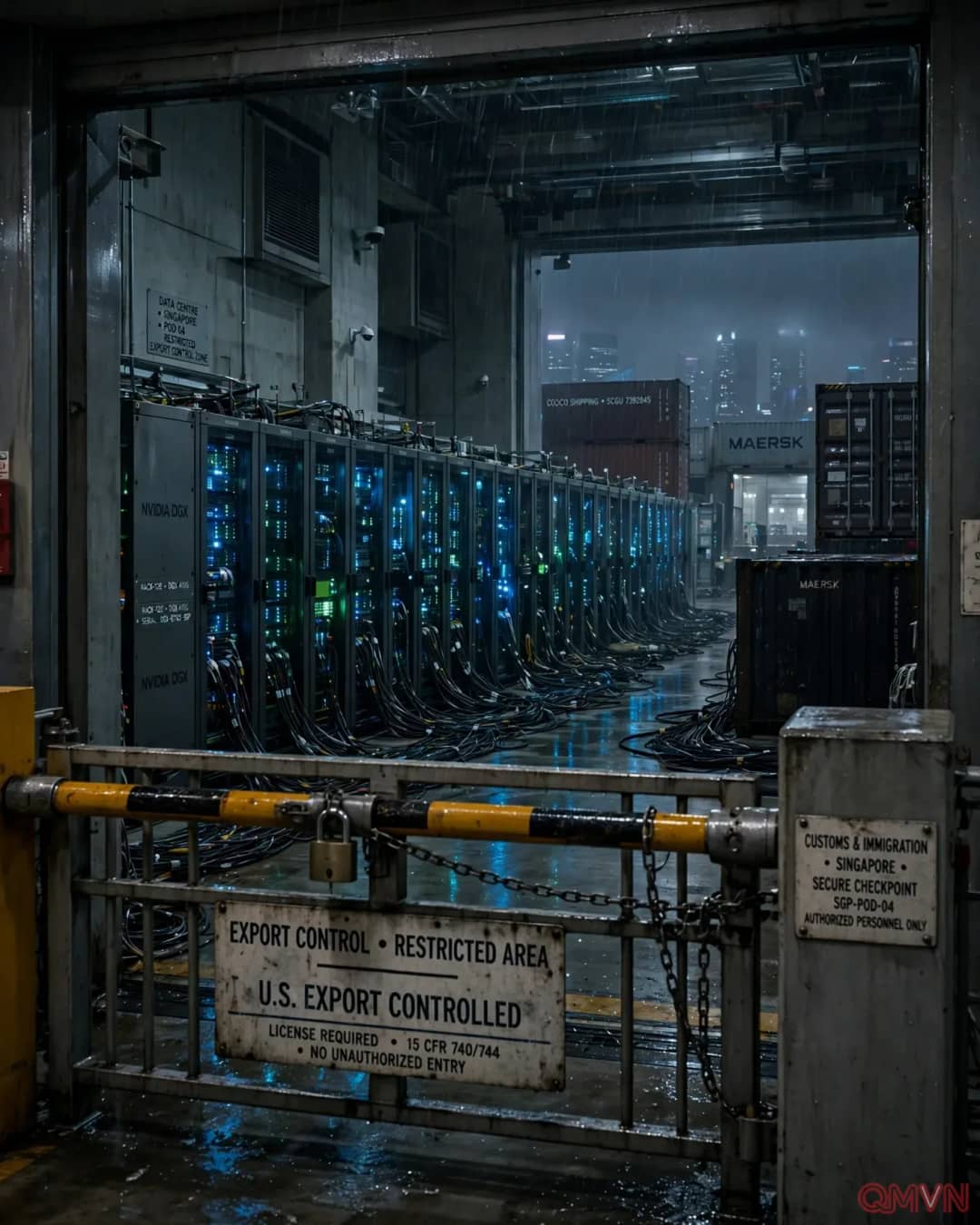
US export controls have traditionally asked who buys a processor and where the hardware travels. Cloud computing complicates that framework: a company denied direct access to restricted chips can potentially rent the output of thousands of processors housed in a third country. BIS argues that the gap between controlling physical equipment and supervising remote computing capacity can undermine safeguards designed to keep sensitive technology out of military or intelligence applications.
The new interim rule encompasses individual data centres and linked networks of facilities. A licence is required for covered equipment when exporters know that the system will supply more than 12 million aggregate TPP to companies headquartered, or ultimately parented, in the D:5 country group or Macau. An intermediary customer does not automatically remove the concern: the rules also address arrangements in which computing is effectively supplied to a restricted company through another business.
TPP is a regulatory measure of processing performance, not a simple count of servers. The threshold is intended to distinguish large advanced-AI workloads from routine services. The text also excludes certain commercial recommendation systems, such as retail suggestions or social-media recommendations. That distinction matters because these controls are not a blanket prohibition on Chinese users accessing every American software product or cloud application.