MAIN ARTICLE
A stable percentage can conceal mounting pressure
In Washington, an unchanged approval rating is not necessarily a sign of political calm. The latest 32% reading matches two previous Reuters/Ipsos surveys but stands only one percentage point above the 31% recorded in mid-October, which Reuters described as Trump’s career low. Such sustained weakness creates difficulties for a president seeking to persuade the public and maintain influence over lawmakers. Approval polling measures an attitude at a particular moment; it should not be mistaken for an election result or a precise forecast of the next contest.
The nationwide online survey questioned 1,705 adults between November 6 and November 9, with a reported margin of error of approximately two percentage points. A one-point movement should therefore not be treated as evidence of a dramatic shift. More revealing is the persistence of weak ratings across multiple surveys and their proximity to a decisive election. Polls cannot capture every reason for dissatisfaction, yet they can help identify where a political administration is losing the confidence of the people it serves.
The household budget becomes the political yardstick
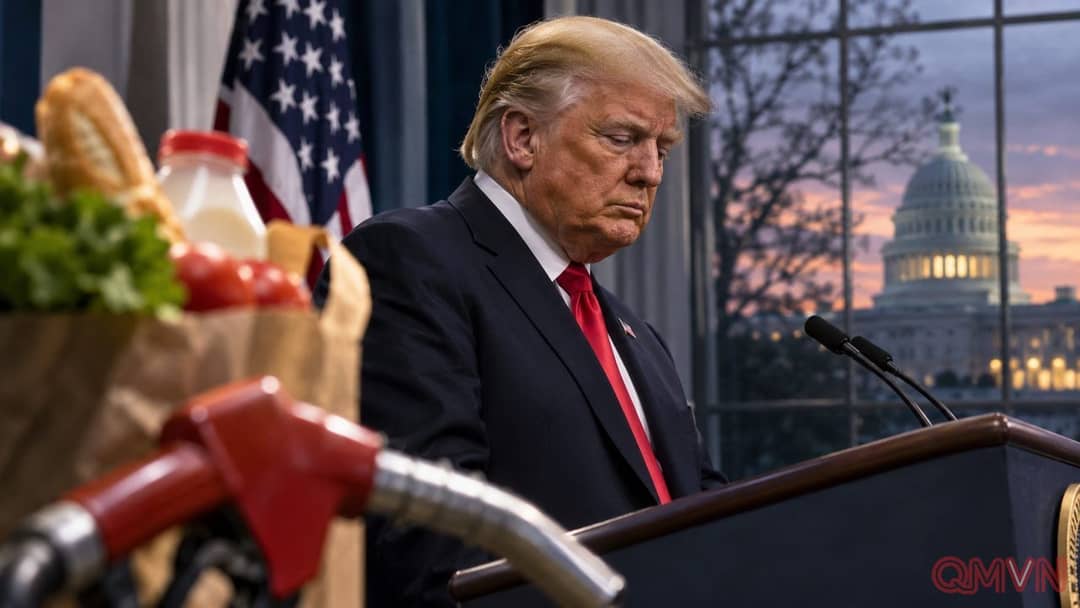
Only 21% of respondents approve of Trump’s handling of the cost of living. That is a considerably harsher judgment than the 32% overall assessment. The contrast highlights the emotional force of supermarket receipts, utility bills, housing payments and transportation expenses.