MAIN CONTENT
A valuable hour on an increasingly crowded grid
Electricity charges are not simply the price of kilowatt-hours consumed. Large customers may also pay for the capacity of transmission lines and power plants needed to serve the grid at its busiest moments. In some jurisdictions, a customer's demand during designated system peaks helps determine subsequent charges. A brief reduction at the right moment can therefore have a much larger financial effect than the electricity saved would suggest.
According to NRG Energy calculations cited by Reuters, a large Texas data center could avoid about $33.4 million in annual transmission costs by staying off the grid for only one critical hour. That figure describes a particular hypothetical exposure, not the savings achieved by every facility. Operators that pursue such strategies often use specialist forecasts because the precise peak is known only afterward; a badly timed reduction can bring far smaller benefits.
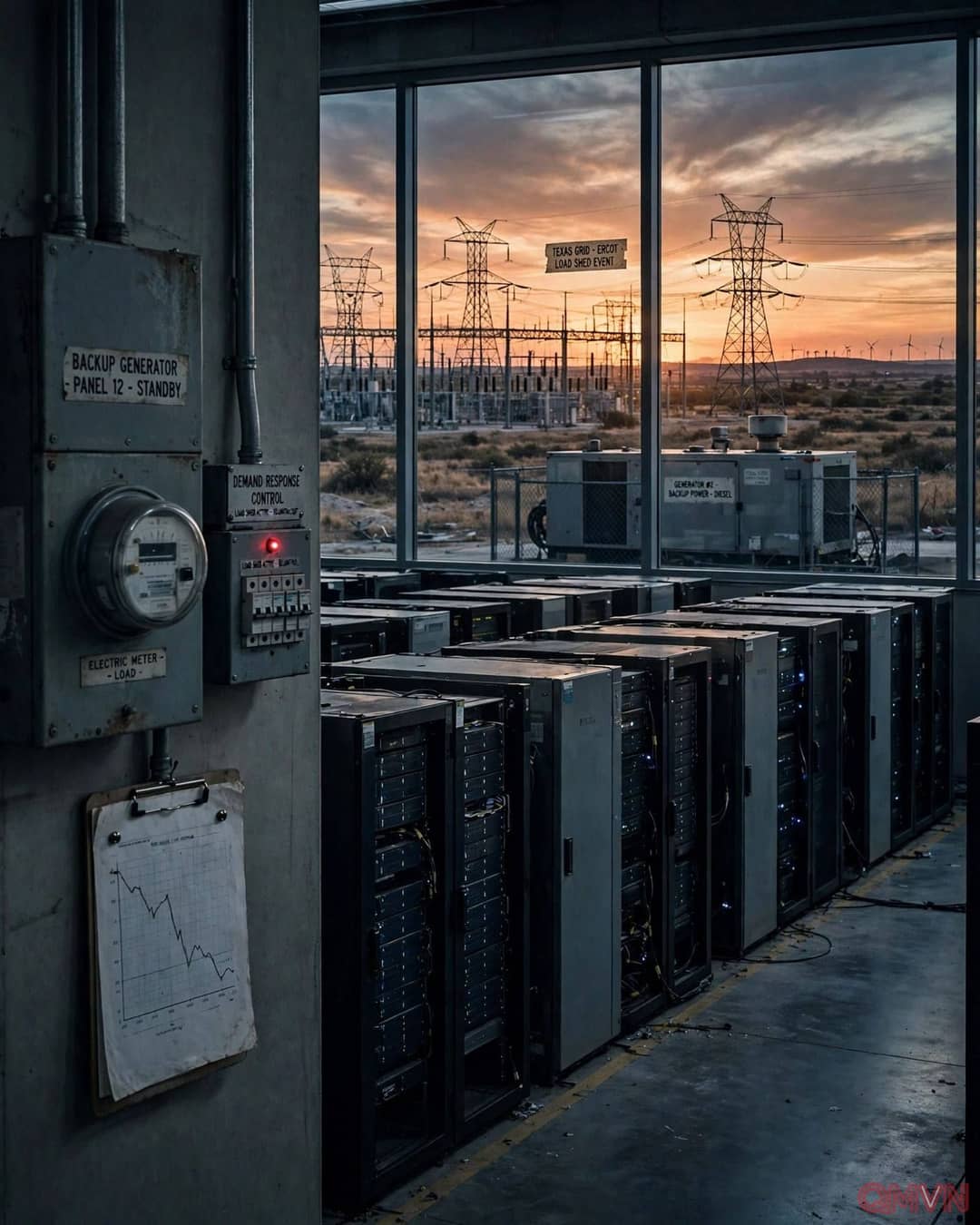
Peak shaving need not mean switching computers off. A facility might run backup generation, deploy stored energy or temporarily reduce nonessential demand. Each method brings trade-offs: emissions and fuel use for generators, investment costs for batteries, and operational risks when computing workloads cannot easily be interrupted. The true public benefit depends on whether a reduction coincides with a real network constraint.