MAIN CONTENT
The cost equation is changing
The war has exposed an uncomfortable imbalance: a relatively inexpensive attack drone can force a defender to launch a missile costing many times more. Estimates cited by the Center for Strategic and International Studies put Russian versions of the Iranian-designed Shahed at roughly $20,000–$50,000 apiece. According to reporting by Reuters and Defense News, Ukraine has therefore turned increasingly to interceptor drones that can be built in large numbers and deployed alongside conventional defenses.
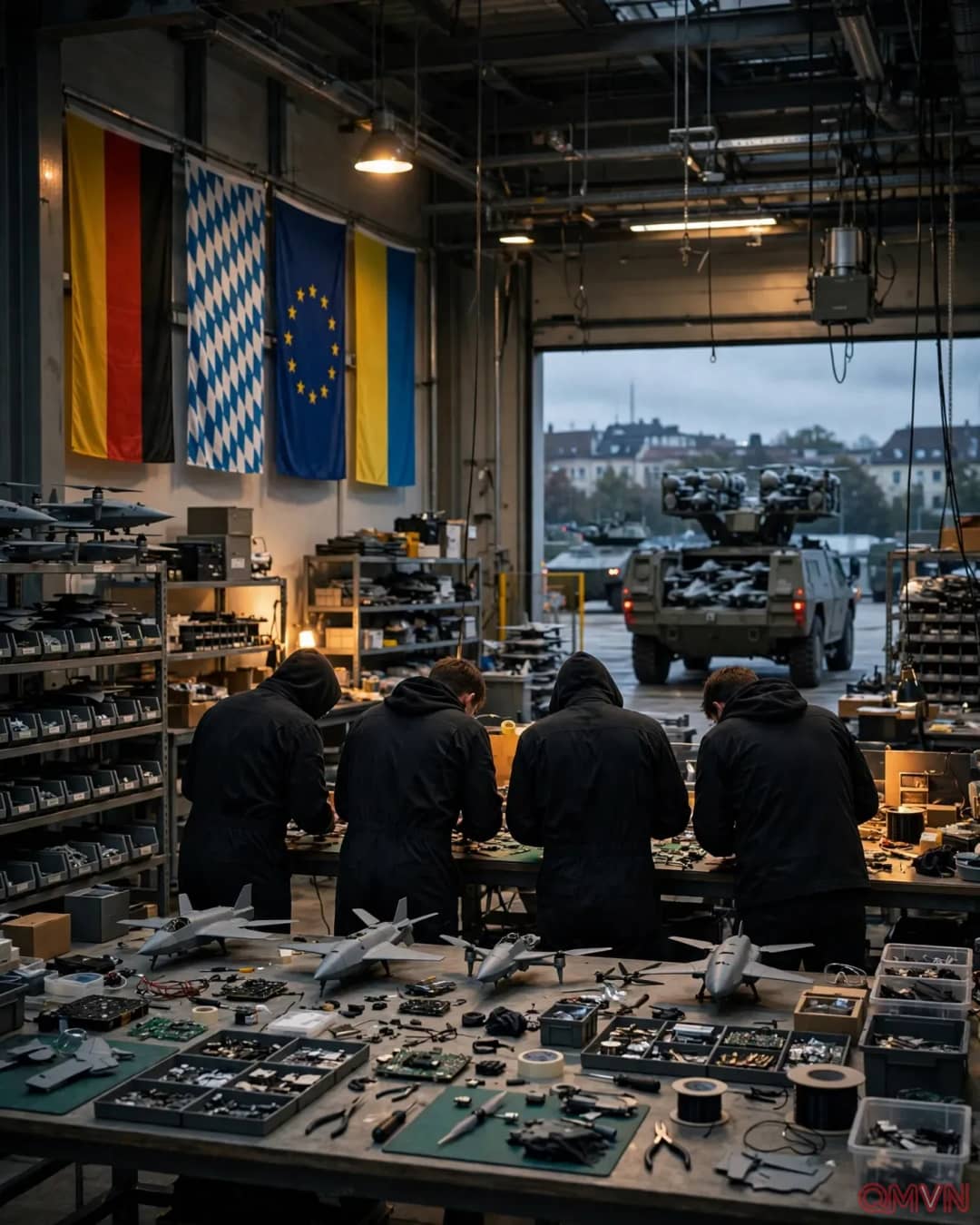
Tytan Technologies grew out of a 2023 visit by its founders Balazs Nagy and Batuhan Yumurtaci to Kyiv. The two engineers now aim to produce as many as 3,000 interceptors a month outside Munich. Their aircraft are designed to reach about 250 miles per hour and 16,000 feet, while a rocket-assisted model can briefly exceed 310 miles per hour. Tytan says it has halved unit costs, although it has not publicly specified the resulting price.
An innovation race with no fixed finish line
An interceptor is only useful if it can reach a target in time. Russian forces have introduced faster, jet-powered versions of their attack drones, creating a moving technological threshold.