MAIN ARTICLE
A year-long inquiry turns cooperation into a security question
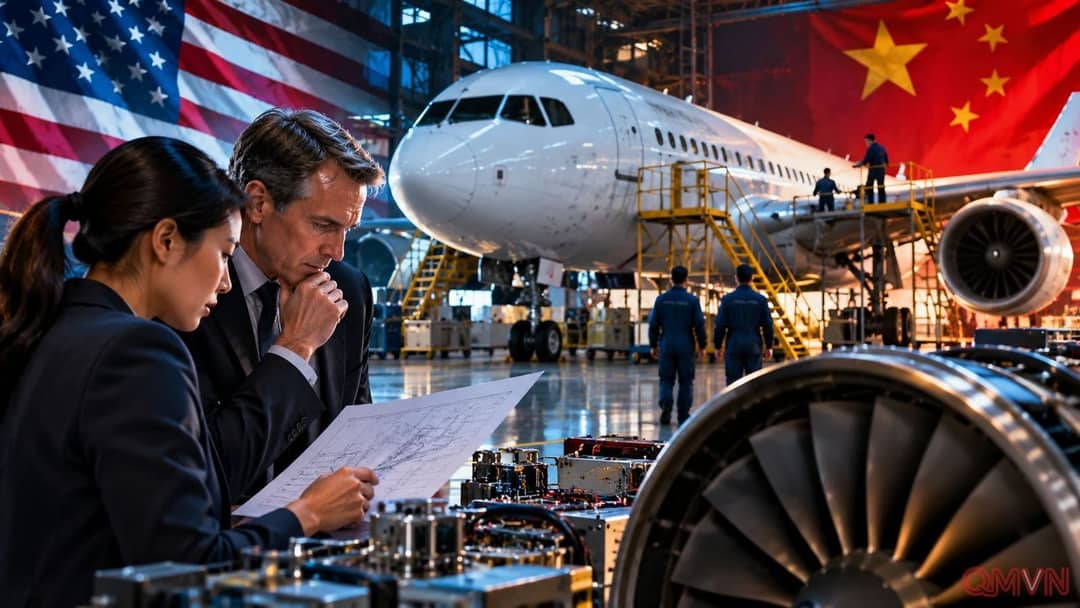
The House Select Committee on strategic competition with China, chaired by Republican Representative John Moolenaar, wants stronger export controls and restrictions on capital flowing into Chinese aerospace businesses. Its focus reaches beyond completed passenger jets to engines, avionics, materials, production techniques and engineering expertise with potential civilian and military applications. The committee’s premise is that technological capabilities can migrate between seemingly separate sectors over time.
According to Reuters, the investigation examined joint ventures, development partnerships, licensing arrangements and manufacturing relationships involving Western firms. The lawmakers argue that legitimate business opportunities may have helped expand an industrial base relevant to Chinese military aviation. That is the committee’s assessment of strategic exposure; the existence of a commercial agreement or an approved export license does not by itself establish that a company violated US law.
Moolenaar called for action coordinated with allies to prevent the transfer of critical technology to a strategic competitor. The significance lies in the widening definition of economic security. Rather than policing only a narrow list of prohibited components, lawmakers are scrutinizing investment, know-how, corporate ownership and government procurement as possible conduits for influence.