Resolving the thermal dissipation bottleneck to maximize energy efficiency
Extracting clean hydrogen from ocean waters powered by offshore renewables has long represented the ultimate objective of zero-emission industrial strategies, yet commercial deployment has faced persistent obstacles. Direct seawater electrolysis rapidly corrodes metallic anodes through aggressive chloride ion oxidation, while calcium and magnesium precipitates foul cathode surfaces and degrade efficiency. Conversely, the traditional two-step approach requiring pre-desalination imposes prohibitive capital equipment expenditures and heavy auxiliary electrical loads.
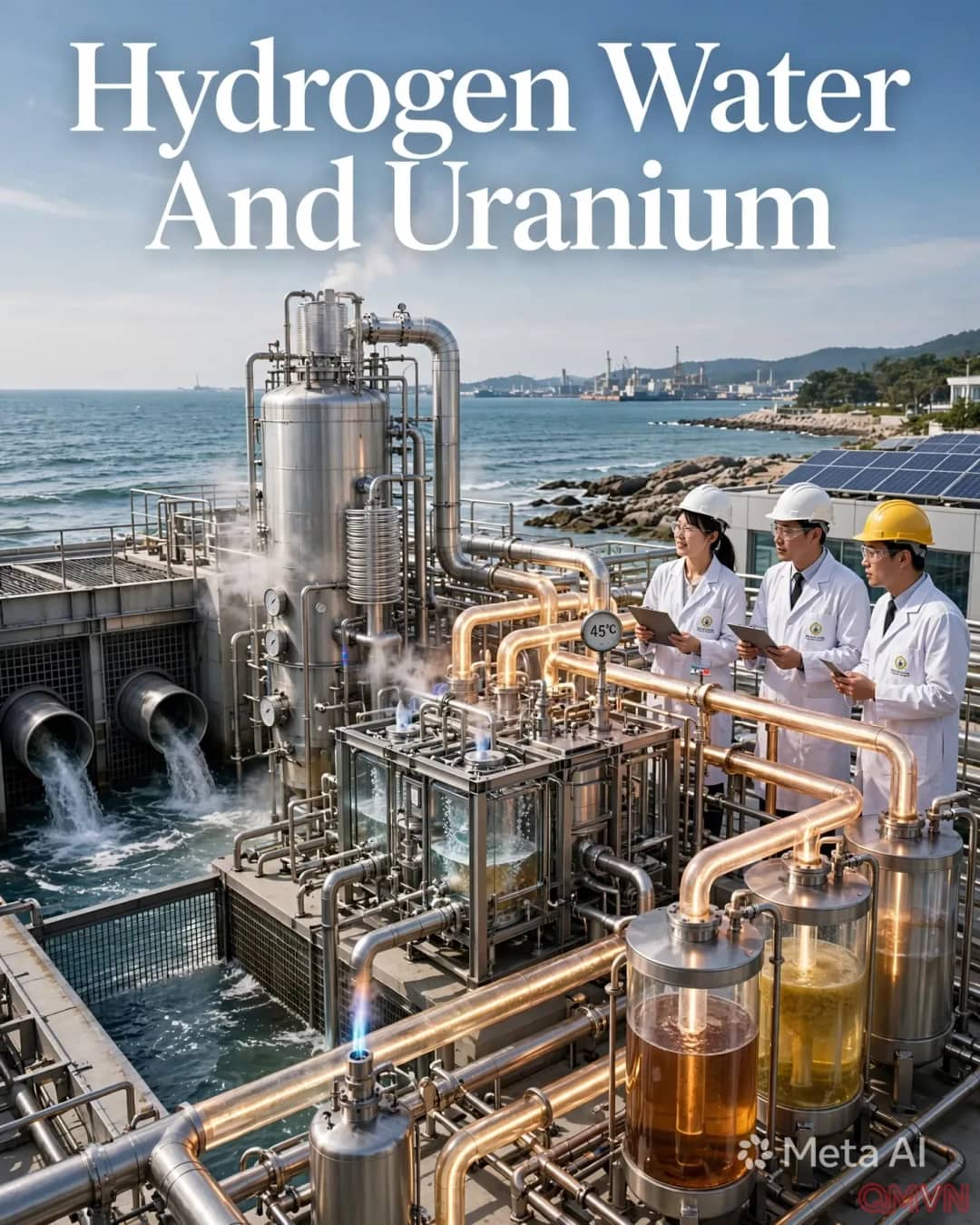
Researchers at the Dalian Institute of Chemical Physics resolved this technological trade-off by dynamically coupling alkaline electrolyzer fluid with an integrated vacuum distillation column. Roughly 30 percent of electrical energy typically lost as 80 to 90 degree Celsius waste heat in commercial electrolyzers is directly diverted to evaporate seawater under reduced pressure at 40 to 50 degrees Celsius.