A workday that cannot be predicted
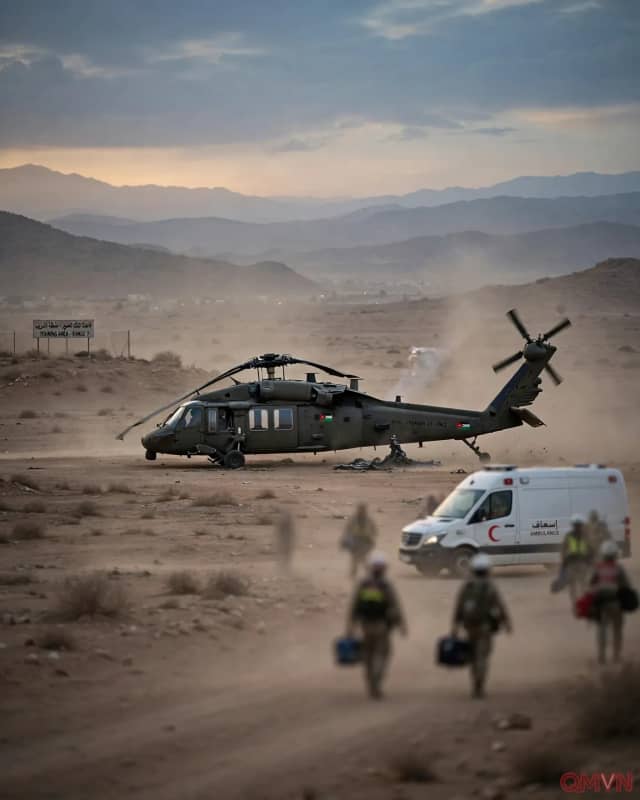
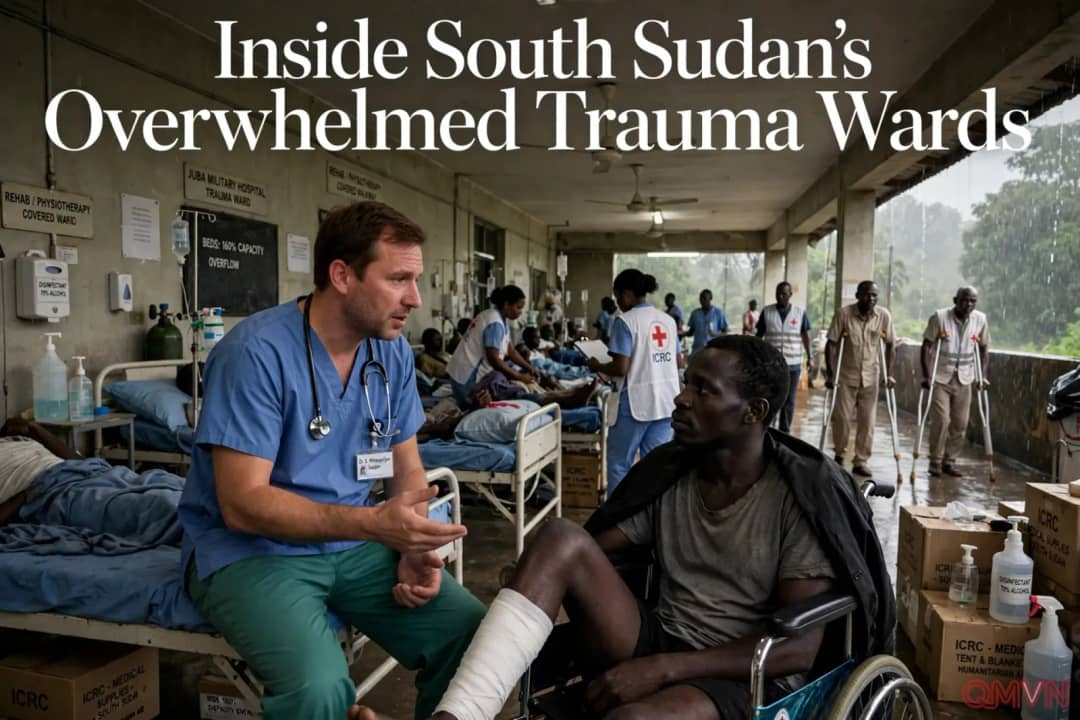
By 11am on a recent Thursday, Serbian surgeon Slobodan Mirosavljev had already seen two critically wounded patients at Juba military hospital. A patient shot in the abdomen, head or chest could arrive at any moment; a helicopter could bring several critically wounded people from elsewhere; a mass casualty incident could fill the wards within hours.
Working at the hospital since August 2025, Mirosavljev operates on the most seriously wounded patients and supervises surgical teams. His day usually starts before 8am with a briefing, followed by ward rounds, consultations, emergency admissions and surgery, sometimes until late at night. Besides victims of political violence, the hospital treats people wounded in communal fighting and cattle-related conflict.
Numbers that tell the story
Most cases are gunshot wounds; others include stab wounds, broken bones and explosive injuries. Mirosavljev estimates that one in 10 involves a serious head injury.