MAIN CONTENT
A disagreement about the size of the fleet
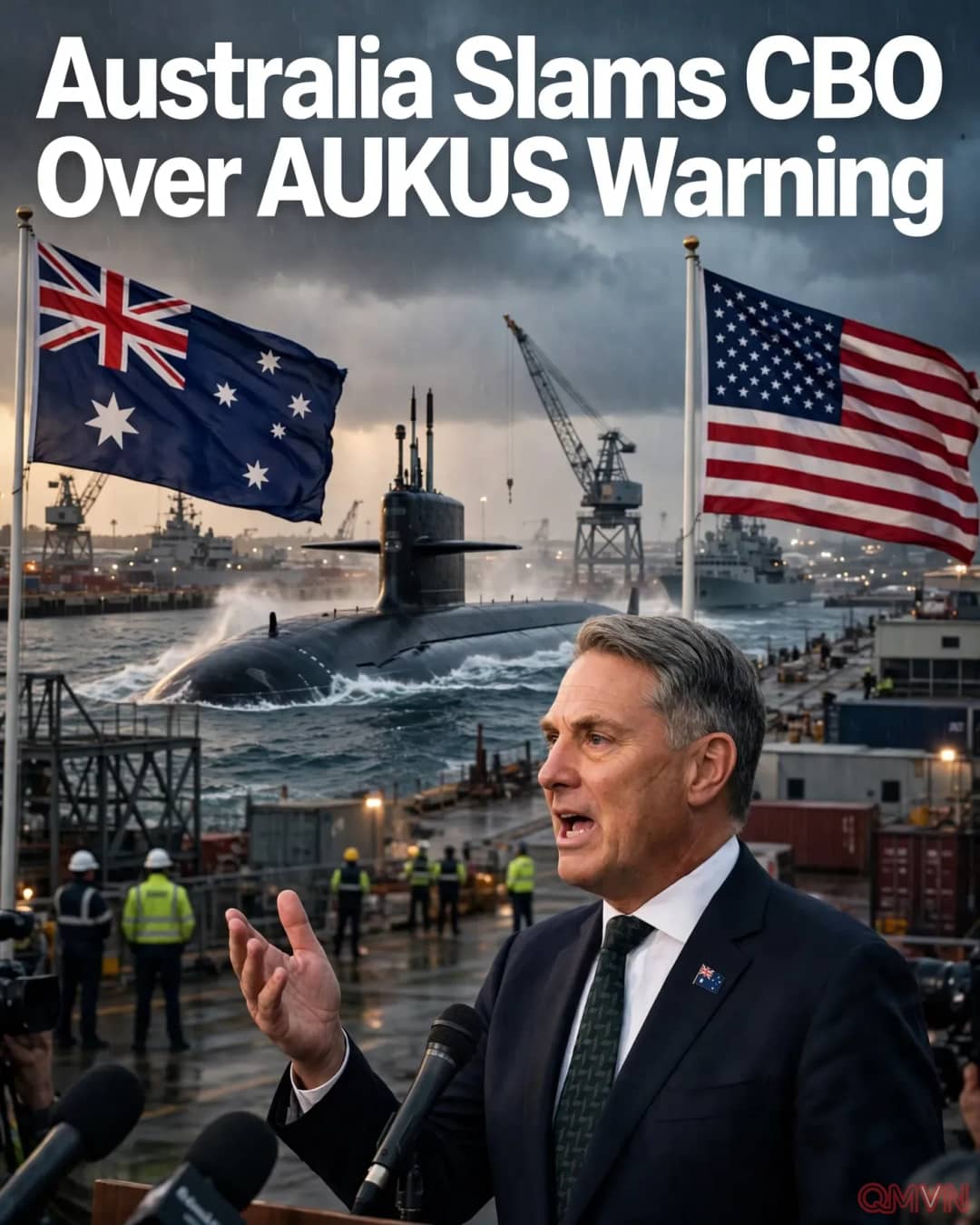
Marles's response was unequivocal. Asked about the CBO analysis, he said its authors were wrong and argued that AUKUS was proceeding. Reuters reported that the budget office's November assessment foresaw the possibility that selling Virginia-class submarines to Australia would reduce the US attack-submarine fleet through 2060. The office did not immediately respond to Reuters's request for comment outside business hours.
The competing claims address different measures of progress. A rising production rate would demonstrate movement in the right direction; it would not by itself show that shipyards could supply Australian purchases, replenish US inventories and clear an existing backlog on schedule. A fiscal projection, meanwhile, depends on assumptions about future output and procurement. The central question is therefore not whether construction is increasing, but whether it is increasing fast enough.
Shipyards, workers and the arithmetic of deterrence
The submarine element of AUKUS is especially demanding because nuclear-powered vessels require specialized welders, engineers, components and facilities that cannot be created overnight. A Congressional Research Service review published in January 2026 described plans to lift Virginia-class production first toward two boats annually and then to around 2.33, allowing the United States to meet domestic requirements while replacing submarines transferred to Australia. Those figures are goals, not a guarantee of performance.