MAIN CONTENT
A night of fire and a day of uncertainty
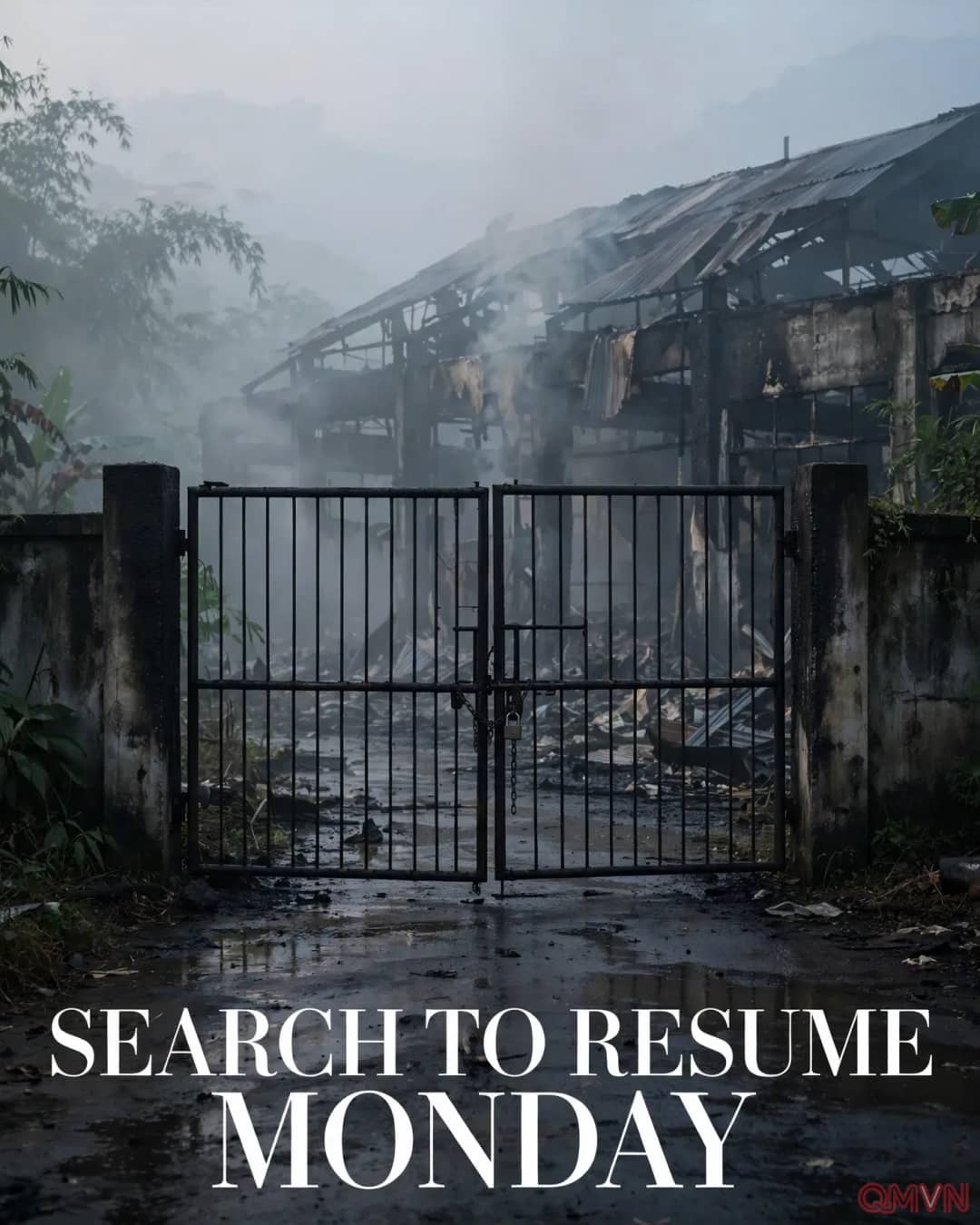
The fire began on Saturday evening at the candy production site in the Cikande industrial area, west of Jakarta. Fire crews continued working on persistent hot spots on Sunday while rescue teams navigated debris and the possibility of structural collapse. The search was suspended overnight, with Banten police chief Hendra Kurniawan telling Metro TV that operations would resume on Monday morning. Those precautions reflected the danger to responders as well as the urgency of reaching workers whose whereabouts remained unknown.
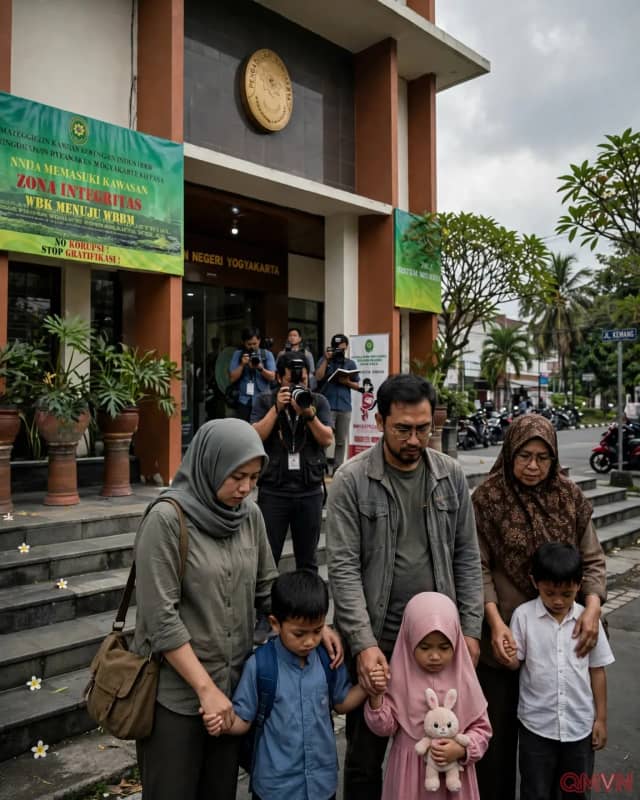
Television coverage showed relatives crying and waiting outside the plant. Their vigil exposed the human cost behind rapidly changing casualty figures: each new accounting of missing, injured or returned employees changes the questions families must ask. Factory chief executive Steven Erwin Wijaya said approximately 300 people were present for Saturday's shift, a wider figure than the 65 workers covered by the company's subsequent status breakdown. The difference should not be mistaken for a final reconciliation of everyone on the premises.
Why 24 bags do not establish a death toll
Police said 24 body bags had been removed from the fire-damaged site by Sunday, but they did not equate that number with 24 confirmed deaths. Remains may have been fragmented by the intensity of the blaze, and a single bag could hold parts from more than one person.
Earlier dispatches carried lower counts and different missing-person estimates as rescuers and employers assembled information. The clearest approach is to identify when and by whom each figure was reported, rather than present a provisional number as settled fact.
Wahyu Hidayati, a police official involved in disaster victim identification, said the condition of the remains prevented recognition by sight. Investigators therefore sought DNA samples from relatives, alongside personal effects that might help with comparisons. Indonesia's police also described preparations for ante-mortem and post-mortem identification work, including forensic specialists. According to the officials cited by Reuters, matching identities could take two to three weeks. For families, that means recovery and identification are distinct stages, each requiring patience and careful communication.
The questions facing investigators and the company
Authorities have not publicly confirmed what ignited the fire. Investigators will need to establish where flames first spread, whether workers received timely warning, how escape routes functioned and whether stored materials or building conditions accelerated the blaze. None of those possibilities should be portrayed as a proven cause. The reported risk of collapse also complicates scene preservation, meaning emergency access and the integrity of later forensic findings must be balanced.
The company faces a separate obligation to produce a reliable personnel accounting, contact families and coordinate medical assistance. Its statement distinguishing workers who returned home, those receiving treatment, those still missing and eight whose locations were unverified was a snapshot, not a final roll call. Public trust will depend on whether subsequent updates explain changes transparently. Communication that acknowledges uncertainty is more useful than numbers presented with confidence before the evidence can support them.
A broader test of industrial safety
The factory belongs to United Family Food, a consumer-goods producer founded in 1981 that says it employs roughly 5,000 people and serves a market of more than 250 million consumers. Its commercial scale makes the Cikande disaster a question not merely of one site but of how large manufacturers ensure that emergency procedures work on the night shift as well as during inspections. Employees, contractors and relatives all need clear, accessible channels for emergency information.
The lessons are practical without prejudging responsibility. Effective evacuation requires usable exits, practiced drills, alarms that reach workers and accurate attendance records. Equally important is a crisis plan that links hospitals, rescue teams, forensic specialists and family representatives. The immediate priority remains the search and the dignified identification of victims; later scrutiny should determine what failures, if any, allowed a local emergency to become a tragedy on this scale.