MAIN CONTENT
A disagreement over recognition, not membership
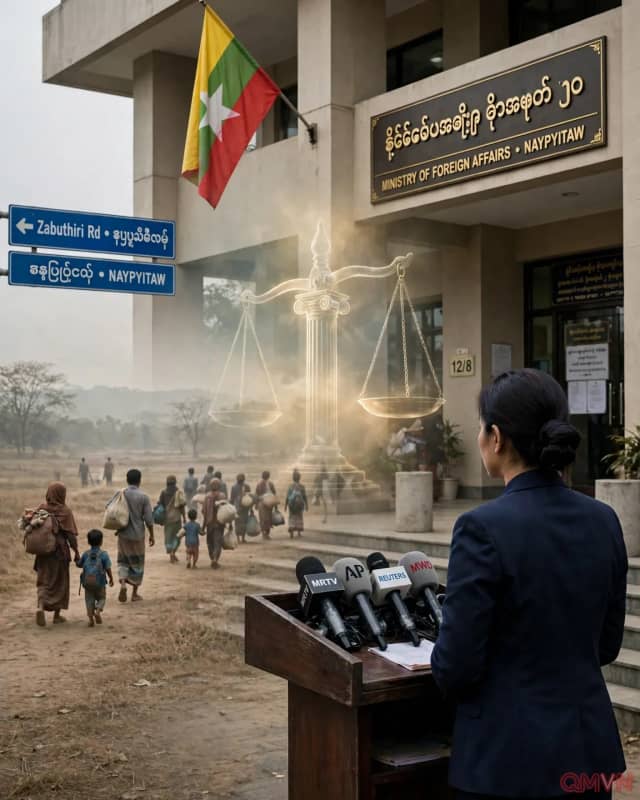
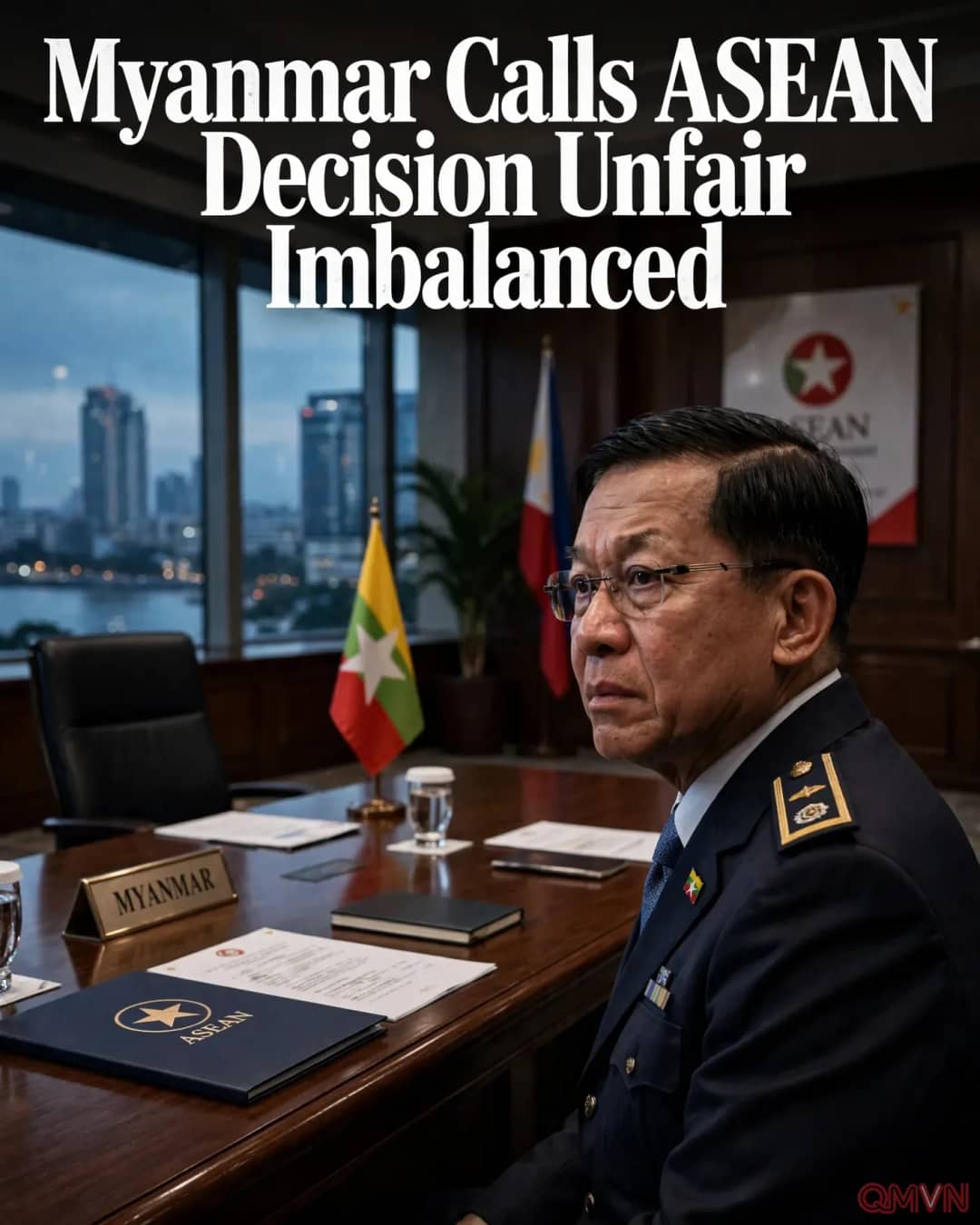
Myanmar’s foreign ministry called ASEAN’s latest assessment “unfair and imbalanced,” saying it did not sufficiently acknowledge measures undertaken by the government. The complaint concerns the level of representation at ASEAN summits and foreign ministers’ meetings, not a formal expulsion from the regional organization. Myanmar remains an ASEAN member, but the grouping has maintained a policy of inviting non-political representatives rather than the military-backed leadership to those high-level gatherings.
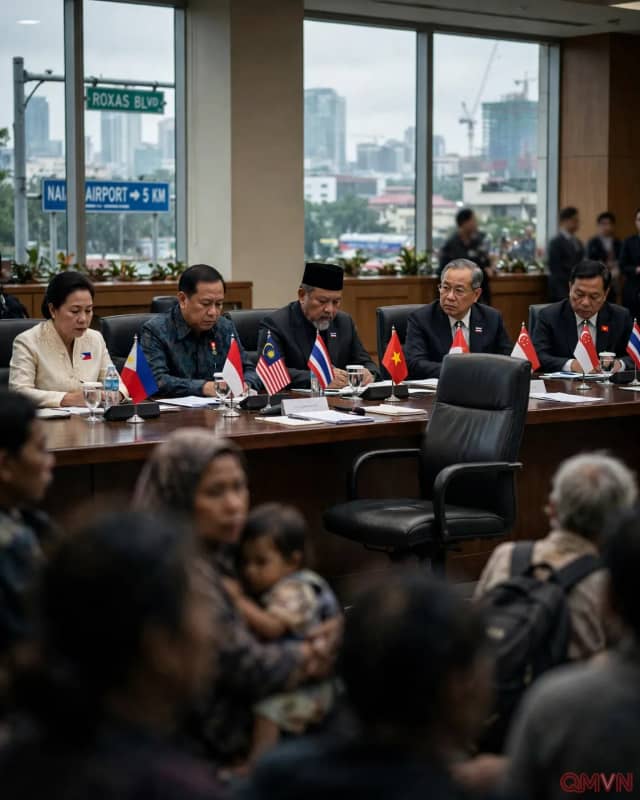
At their 49th summit in Manila, ASEAN leaders chose to continue that arrangement until there is meaningful progress on the Five-Point Consensus. Their November 15 decision also left open a gradual restoration of full political participation if progress is sustained and concrete. That conditional language matters: the bloc has not closed the door to engagement, but it has resisted treating participation as independent of events inside Myanmar.
The government in Naypyidaw argues that its voice has too often been dismissed and that equal standing within a regional association should not be conditional on political disagreement. ASEAN’s stated position is different: restrictions on representation are meant to support a collective peace framework rather than to end contact. These competing interpretations turn a protocol question—who sits at a summit table—into a test of regional credibility.
Competing accounts of dialogue and detention
Myanmar’s authorities cite reconciliation discussions and prisoner releases as evidence of progress. In its public statement, the foreign ministry said a government peace committee had held 180 meetings and discussions since February 2021 with armed organizations, political parties and other groups.
It also reported that more than 126,000 prisoners had benefited from pardons or amnesties, a figure that encompasses different categories of cases.
Those figures cannot, on their own, establish whether political participation has widened or whether armed violence has declined. The ministry further asserted that Myanmar has no political prisoners, a claim at odds with accounts from the United Nations and human rights organizations describing thousands of people detained for political reasons since the military takeover. A release count also does not resolve questions about who remains imprisoned, the circumstances of detention or whether dissent can be expressed safely.
The distinction is central to ASEAN’s dilemma. Meetings may indicate channels for negotiation, yet lasting peace requires parties to participate meaningfully and communities to experience greater safety. Diplomatic assessments therefore depend not only on announcements but on developments that independent observers and affected populations can substantiate. Neither the Myanmar statement nor the summit decision demonstrated a comprehensive political settlement.
A regional peace framework under strain
ASEAN adopted its Five-Point Consensus in April 2021, shortly after the army removed the elected government led by Aung San Suu Kyi. It calls for an end to violence, constructive dialogue among parties, an ASEAN special envoy, humanitarian assistance and access for the envoy to meet relevant stakeholders. The blueprint was intended to offer a regional route out of crisis without severing diplomacy.
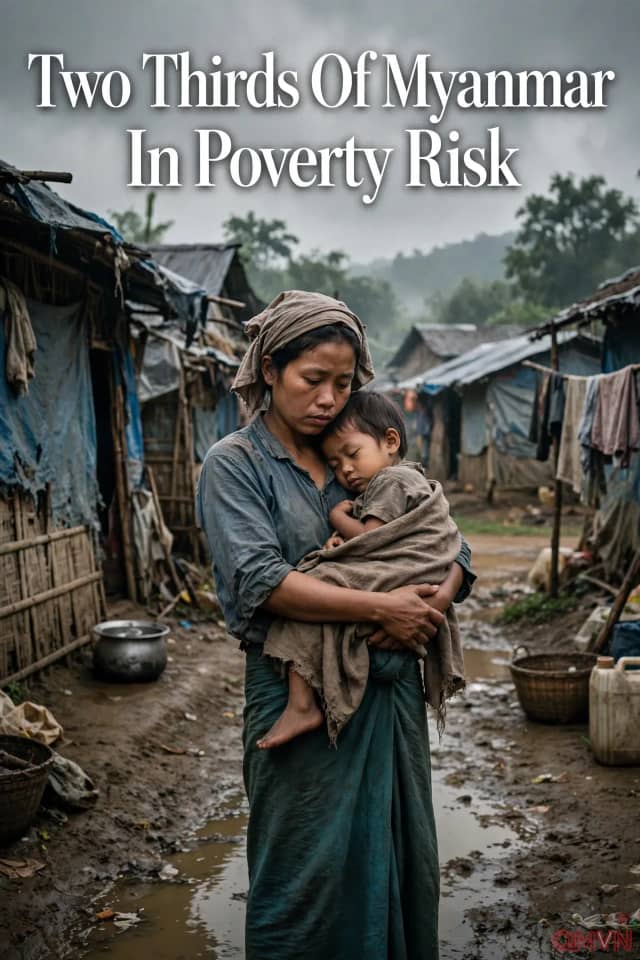
Five years on, the limits of that approach are evident. The United Nations estimates that the conflict has killed roughly 100,000 people and displaced more than 3.5 million, figures cited by Reuters in its November 22 report. Continued fighting, humanitarian need and sharply divergent claims over political detentions make the gap between an agreed framework and daily realities especially consequential.
ASEAN must also navigate its longstanding preference for consensus and non-interference. Some argue that sustained contact can create opportunities for practical concessions; others fear that prematurely restoring top-level representation would signal acceptance without sufficient change. The latest decision attempts to combine engagement with benchmarks, but its effectiveness will ultimately be judged in Myanmar rather than in summit communiqués.
The next test: evidence before ceremony
Min Aung Hlaing told parliament earlier in the week that his administration was reassessing its ties with ASEAN while continuing to speak with member states. This leaves space for diplomacy, but also raises the stakes for future negotiations. A widening split could complicate humanitarian coordination and the regional effort to bring different Myanmar stakeholders into dialogue.
ASEAN’s gradual-return formula offers a possible sequence rather than a fixed timetable. The crucial questions are what counts as meaningful progress, who verifies it, and whether affected communities are included in the process. Reductions in attacks, credible access for humanitarian operations, and substantive dialogue would provide stronger indicators than symbolic participation alone.
For Myanmar’s neighbors, the issue is not simply which officials receive invitations. Conflict crosses borders through displacement, insecurity and economic disruption, while regional cohesion depends on rules being applied consistently. The immediate dispute may concern a chair at the conference table; its lasting significance lies in whether diplomacy can help make ordinary lives safer.