ARTICLE
The last ice on a tropical mountain
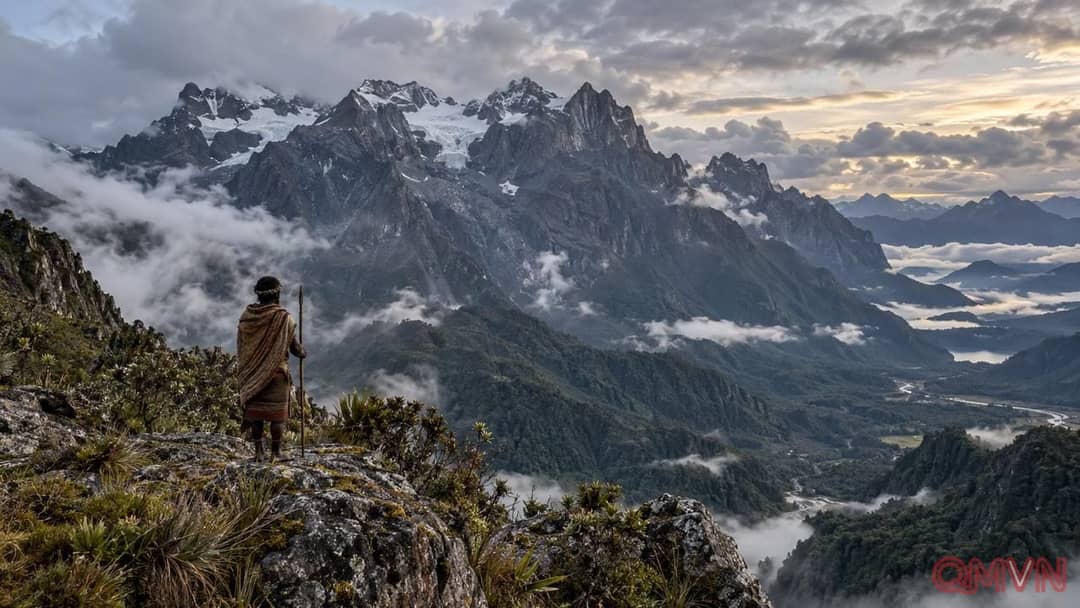
At approximately 4,884 metres, Puncak Jaya has been high enough to sustain ice close to the equator for centuries. Modern measurements trace a long retreat. A 2025 study in The Cryosphere estimated 0.165 square kilometres of ice in 2024, less than 1% of the estimated extent in 1850. Indonesia’s meteorological agency, BMKG, separately put the 2024 area at about 0.11–0.16 square kilometres, down from 0.23 square kilometres in 2022. The estimates differ in method and timing, but neither suggests that the glaciers are stable.
Project Pressure used aerial imagery and photogrammetry to make a three-dimensional record of what remains. It estimates that the East Northwall Firn glacier specifically has lost about 95% of its area since 2002. Predicting the exact date of disappearance is harder: terrain, cloud cover, snowfall and El Niño years affect how quickly the remnants melt. The warning that the ice may soon be gone is serious, but it should not be confused with a claim that no ice remains today.
A climate archive nearing its end
The glaciers matter to researchers because they are isolated tropical ice bodies. Ice layers and cores gathered during earlier expeditions preserve clues about atmospheric conditions and the surrounding tropical Pacific.