At least 11 dead and more than 180 hospitalised in India's Manipur after drinking adulterated alcohol, in another suspected methanol tragedy
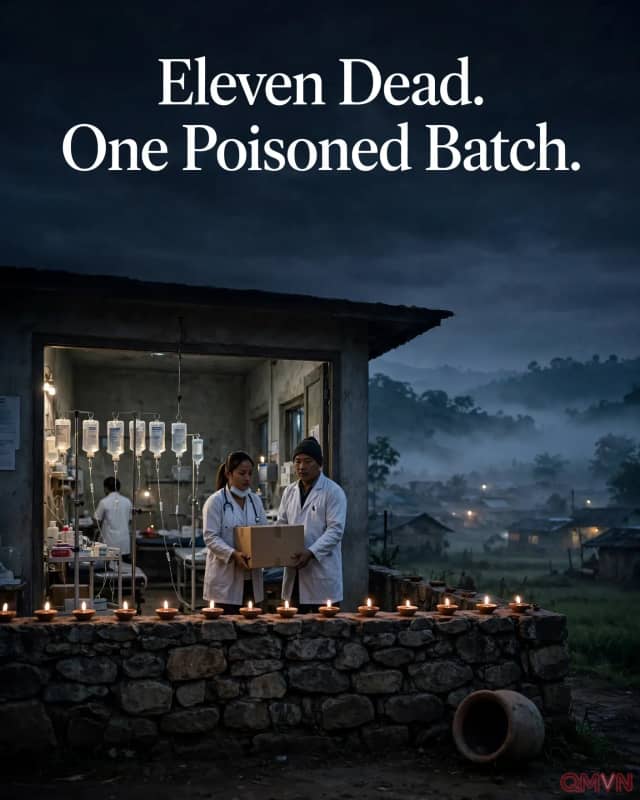
At least 11 people have died and more than 180 have been admitted to hospital after consuming adulterated, locally made alcohol in Manipur, a state in northeastern India, according to Chief Minister Khemchand Yumnam. Local media reported that many patients showed symptoms consistent with methanol poisoning, a toxic industrial alcohol often added to illicit liquor to make it stronger and cheaper. Yumnam visited hospitals where victims were being treated and said his government would investigate how the deadly drink was made and sold. The tragedy is the latest in a grim series across India this year, following deadly outbreaks in Madhya Pradesh and neighbouring Nagaland. It also revives an old debate in Manipur, where alcohol has been officially prohibited since the early 1990s but locally brewed liquor remains widely available, raising questions about whether bans protect people or push drinking into a dangerous, unregulated shadow market.
Tiếng Nói QUANG MINH·2 min read · 4 min listen·22 November 2026, 21:23 EST·
AI-generated illustration
A sudden wave of patients
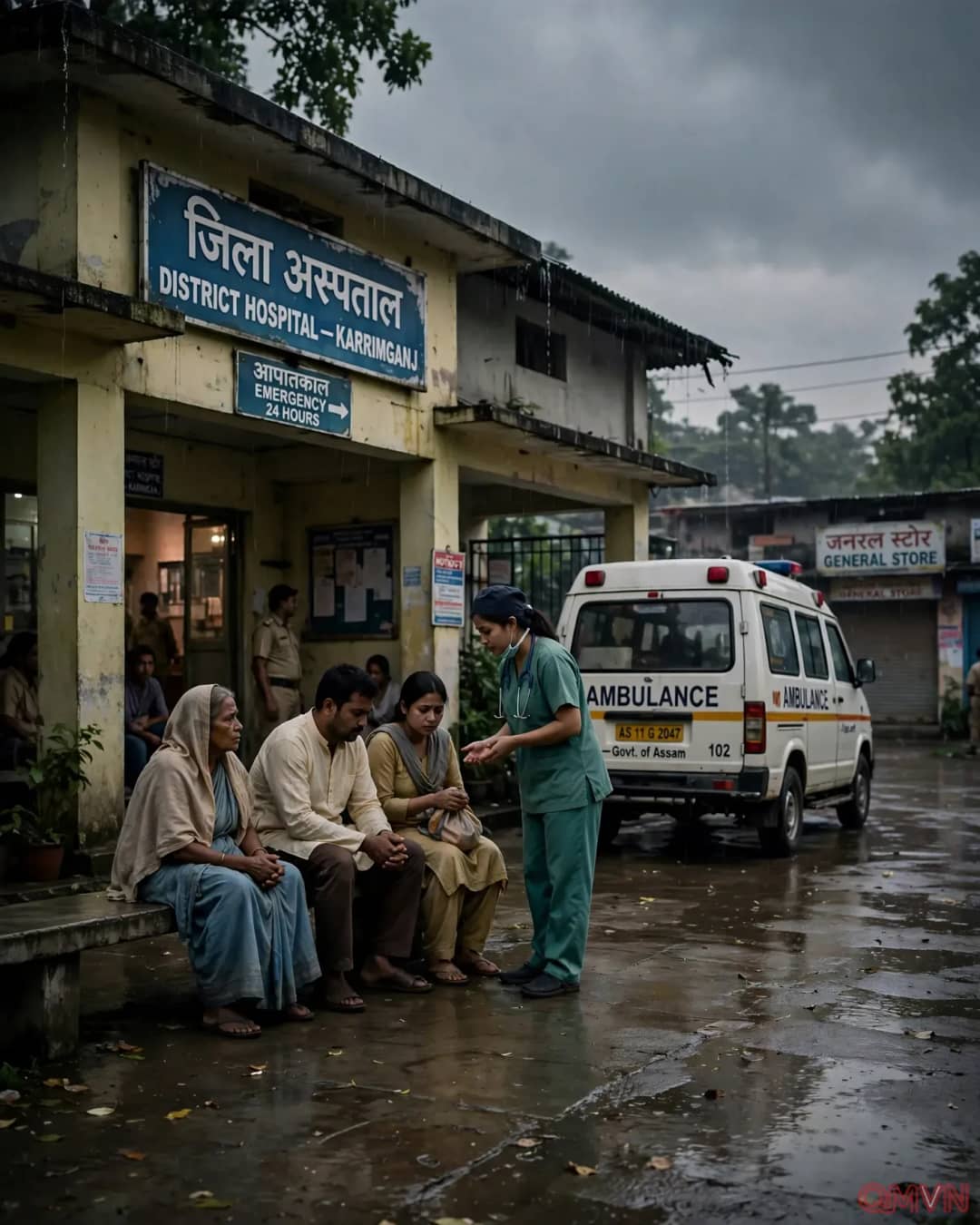
The chief minister announced the toll in a post on X after visiting two hospitals in the Imphal area, including Shija Hospital and Babina Hospital, where patients were receiving treatment. Many had fallen ill after drinking liquor brewed locally, and doctors and local media described symptoms consistent with methanol poisoning.
The scale of the outbreak, with more than 180 people needing hospital care, has put pressure on the state's health facilities and on authorities to trace the source of the contaminated drink.
Advertisement300 × 250
The government has launched an investigation, while police have carried out a crackdown on illicit liquor.
Why methanol is so dangerous
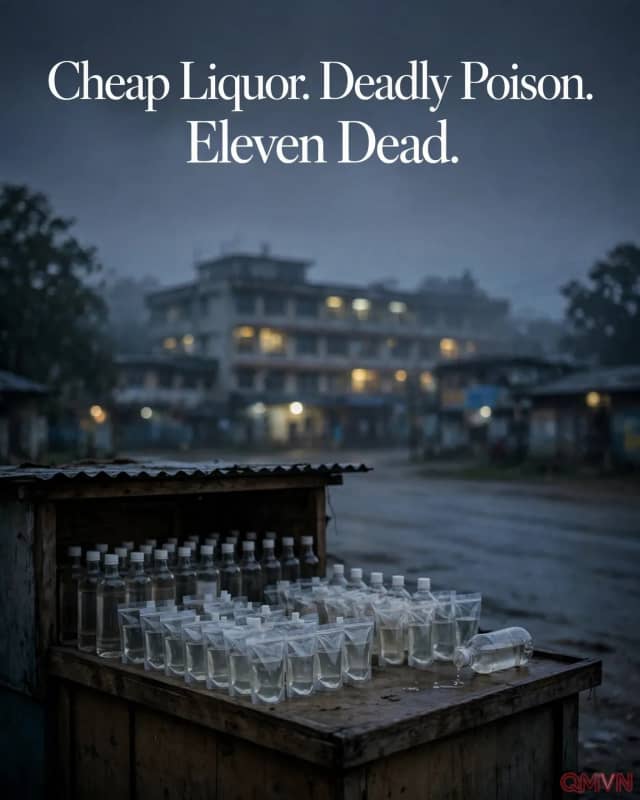
Methanol is a cheap industrial chemical that bootleggers sometimes add to illicit alcohol to raise its potency at low cost. Unlike the ethanol in ordinary drinks, it is broken down by the body into highly toxic compounds. Health experts warn of several dangers:
Symptoms can be delayed by many hours, so victims may not realise they have been poisoned until it is too late.
Early signs include headache, nausea, vomiting, abdominal pain and confusion.
Methanol can damage the optic nerve, causing blurred vision or permanent blindness.
Severe cases lead to breathing difficulties, organ failure and death if not treated quickly.
Doctors stress that rapid treatment, including antidotes and dialysis, can save lives, which is why authorities urge anyone who has drunk suspect liquor to seek care immediately.
A grim pattern across India
Manipur's tragedy comes after a string of similar disasters this year. In September, around a dozen people died after drinking illicit liquor in Sagar district of Madhya Pradesh. The same month, nine deaths were reported in Tuensang district of Nagaland, where police later confirmed methanol in seized illicit alcohol. In October, the toll in Nagaland's Mokokchung district reached 11.
Such outbreaks often hit poor and rural communities hardest, as homemade or bootleg spirits are much cheaper than branded drinks. Larger incidents in recent years, including more than 50 deaths in Tamil Nadu's Kallakurichi district in 2024, show how a single contaminated batch can devastate entire villages.
The prohibition dilemma
Manipur has been officially dry since the Manipur Liquor Prohibition Act of 1991, yet local brewing continues in many villages, partly because the law allows some communities to make liquor for customary practices. After a 2017 tragedy in which five people died, a spokesperson for the then ruling party acknowledged the gap between law and reality.
Even in our culture and tradition, we drink.
Some politicians, journalists and civil society groups have urged the state to replace a blanket ban with a regulated system that sets safety standards, while anti-liquor organisations strongly oppose any relaxation. The latest deaths are likely to reopen that argument as investigators search for those responsible.
EVENT BACKGROUND.
In the hills and valleys of Manipur, home-brewed rice liquor has long been part of festivals, rituals and family gatherings. In 1991, under pressure from social movements worried about alcoholism and its toll on families, the state passed a prohibition law, making Manipur one of several dry states in India alongside Gujarat, Bihar, Nagaland and Mizoram at various times. Yet the ban never fully took hold. Small-scale brewing continued, and an illegal trade in counterfeit branded spirits grew alongside it. In 2017, five people died and dozens were hospitalised after drinking methanol-contaminated liquor in Thoubal district, prompting calls to amend the law. Two years later, police busted a factory producing fake branded rum. Across India, deaths from toxic alcohol run into hundreds each year, with major tragedies in Bihar, Punjab, Assam and Tamil Nadu. Supporters of prohibition argue that it protects families, especially women, from the harms of alcohol abuse. Critics counter that bans drive drinking underground, leaving consumers at the mercy of unregulated producers and corrupt enforcement. The root knot lies in balancing public health, tradition and the economic realities of the poor, who are often the first victims when policy and practice diverge.
Key takeaways
A law that ignores reality may hide a danger rather than remove it.
Cheap shortcuts in what we consume can carry the highest price.
Protecting the poor requires both enforcement and honest regulation.
Subscribe to the QMVN newsletter
A daily morning digest - only stories worth reading, no spam.