MAIN ARTICLE
The draft that would not name the cause
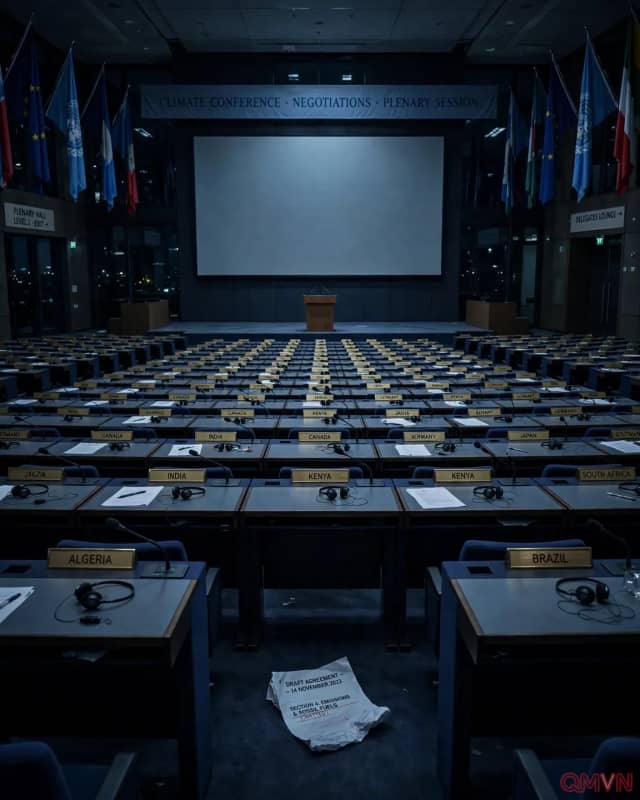
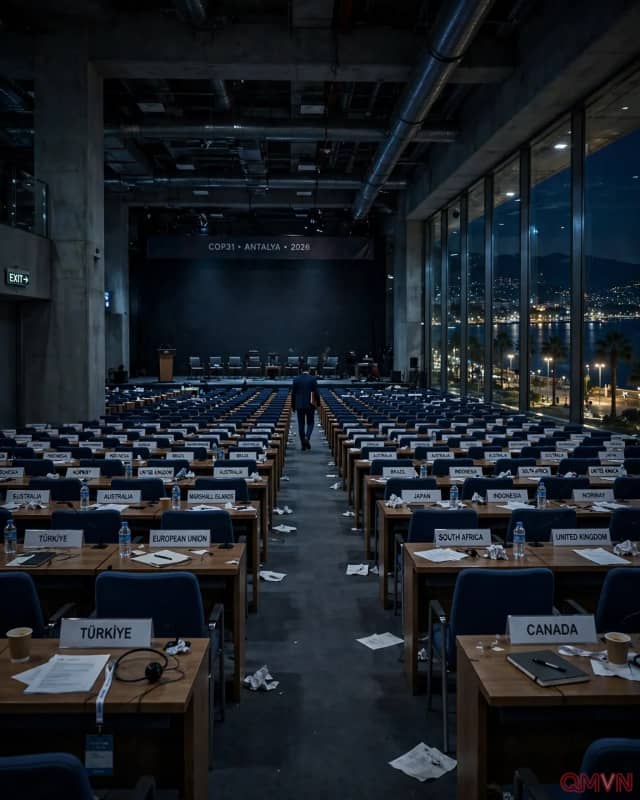
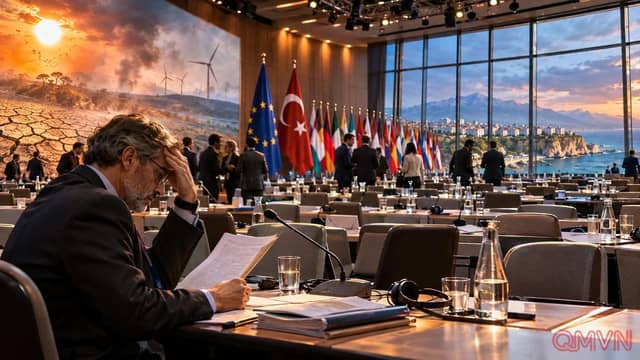
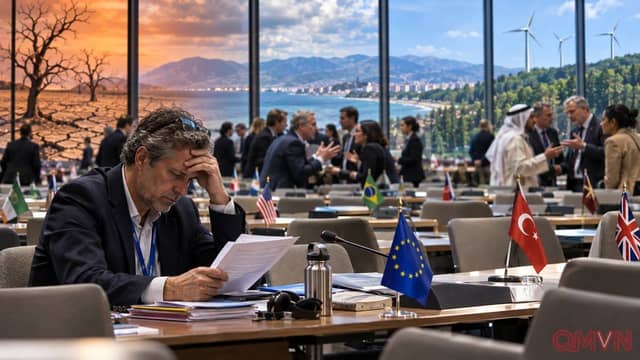
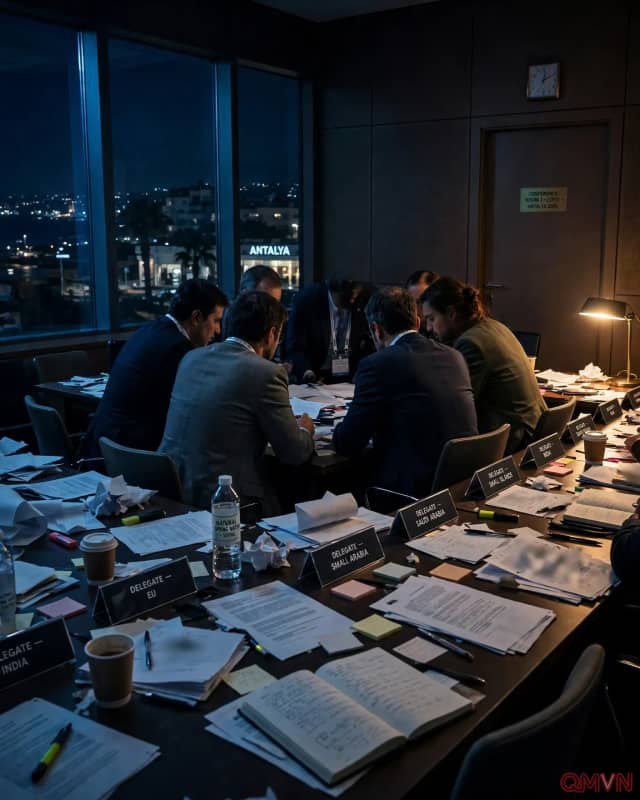
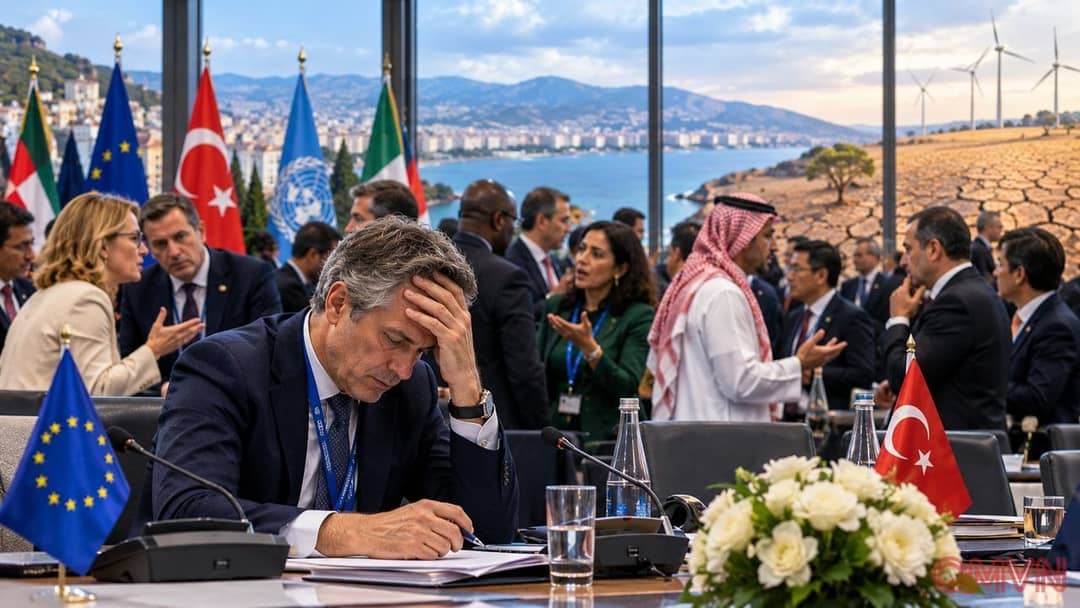
On November 22, frantic exchanges in the Antalya conference centre could no longer rescue an overarching compromise. COP31 president Murat Kurum acknowledged that delegates had not reached the consensus needed to adopt the concluding text. Speaking for the European Union, Irish climate minister Darragh O’Brien objected to a climate pact that did not mention the fuels responsible for most human-caused warming. Panama, the Marshall Islands, Norway and other governments likewise resisted the proposal. The breakdown concerned the overarching political decision; it did not automatically invalidate every technical decision considered at the summit.
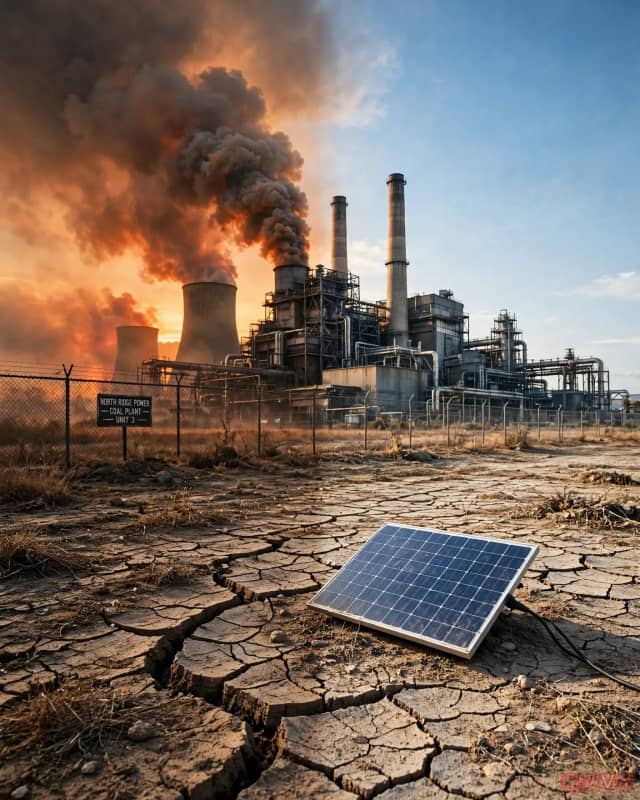
The dispute began with words that carry economic consequences. An early draft called for an immediate transition away from fossil fuels in energy systems, but subsequent versions deleted that language. Reuters and the Associated Press reported that Saudi Arabia and Russia were among the producers resisting explicit references. Oil exporters argue that conventional fuels will remain necessary for development and energy security for years. For small island nations confronting rising seas, refusing even to identify the principal driver of emissions seemed less like compromise than an unwillingness to confront the source of their vulnerability.