MAIN ARTICLE
What the intelligence assessment does and does not say
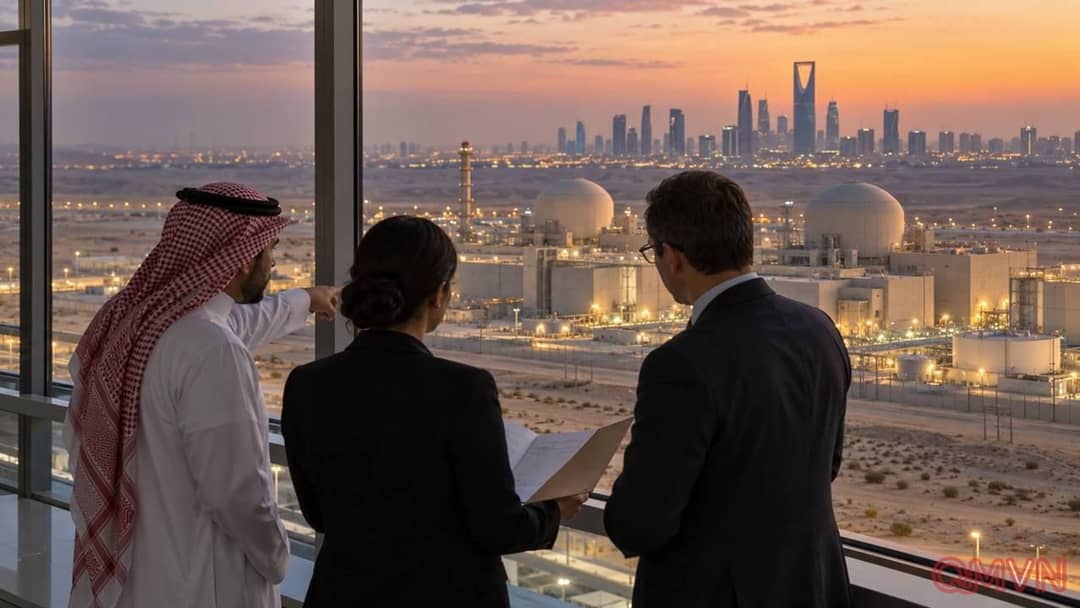
The New York Times reported that a classified assessment provided to Congress says Saudi Arabia has not ruled out a future nuclear weapon. Officials cited by the paper also said the kingdom has not decided to build one. Both points belong in the same sentence. Retaining a strategic option is not evidence of an active weapons programme, but it is a reason to examine closely a technology agreement whose effects could last decades. Claims about intentions should be kept separate from proof of specific actions.
Riyadh seeks to diversify energy supply and could gain skills, employment and training from nuclear power. Washington sees commercial and strategic value in giving US companies a central role. Those civilian aims deserve a serious hearing. Legislators’ concern is that parts of the nuclear fuel cycle have a dual-use potential and that future political decisions cannot be assumed to remain the same as today’s.
Civilian power and the sensitive fuel cycle
According to the reference report, the agreement permits enrichment to nearly 20 percent. That is below the concentration generally associated with weapons-grade uranium, but it is still a sensitive threshold in nonproliferation debates.