MAIN STORY
A winter emergency shapes the diplomatic argument
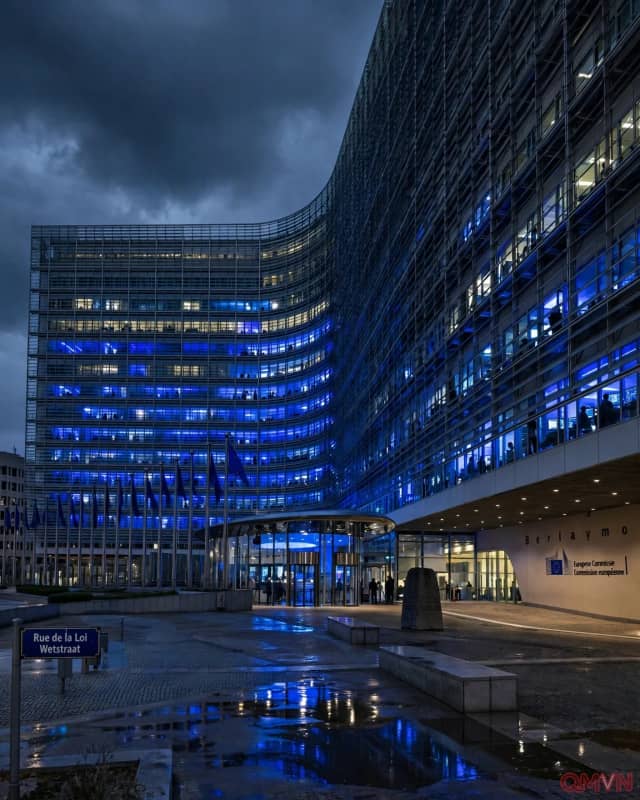
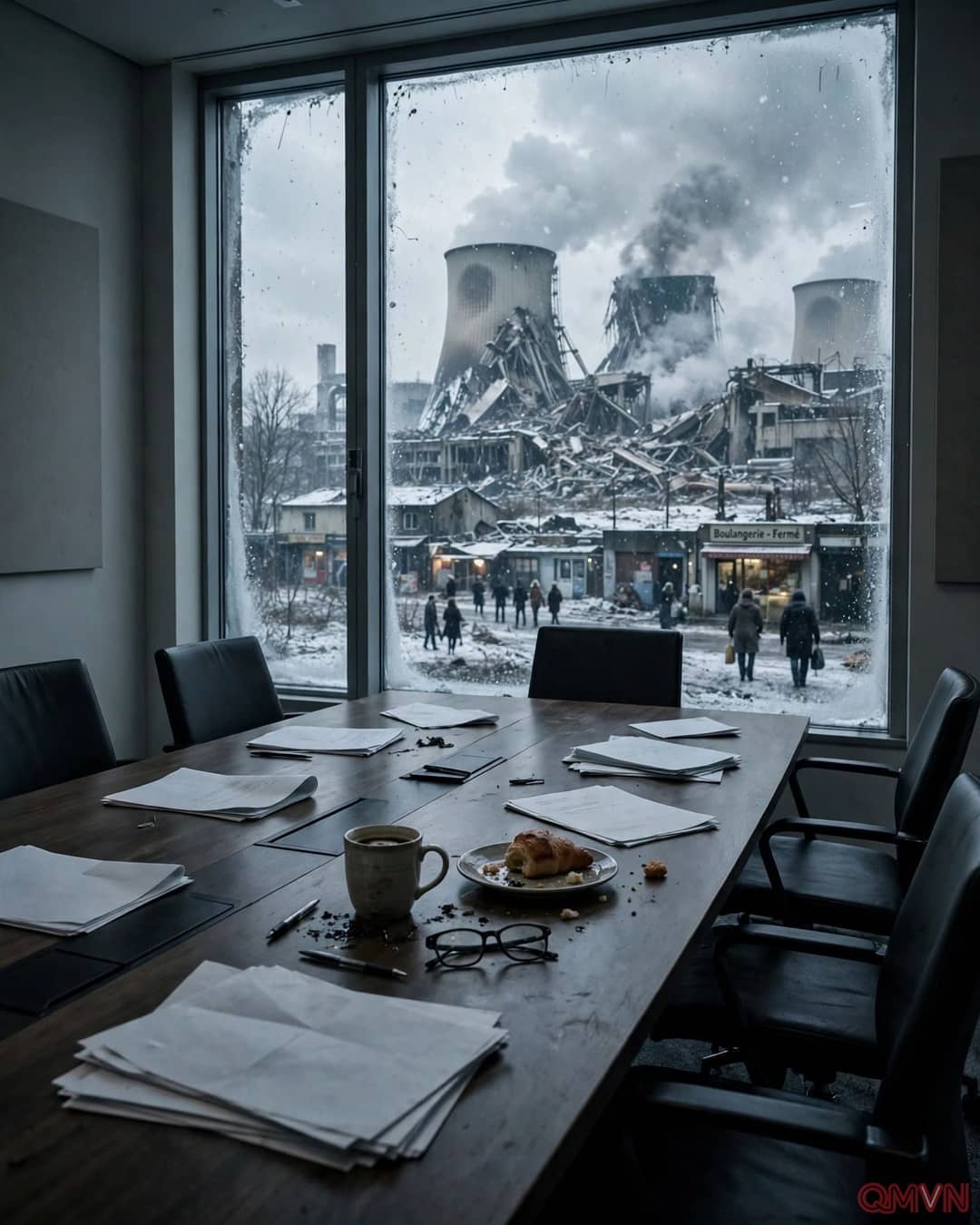
In Brussels, foreign ministers framed the timing of Russian attacks as inseparable from the negotiations themselves. Ukraine’s electricity system supports homes, hospitals, water utilities and public transport. When generating capacity or transmission facilities are damaged, emergency repairs compete with air defense and the daily needs of displaced families. The EU’s assessment is that the attacks increase civilian vulnerability precisely when temperatures make sustained outages especially dangerous.
Kallas said the immediate sequence should be simple: stop the fighting, then negotiate a settlement and longer-term security arrangements. Her criticism represents the European position rather than a jointly established account of Moscow’s negotiating intent. The Russian side has presented its security demands as necessary for a durable settlement, and those competing interpretations remain at the center of the impasse.
What the Abu Dhabi talks did not resolve
Negotiations mediated by US representatives Jared Kushner and Steve Witkoff have continued without delivering a lasting ceasefire. In Abu Dhabi last week, discussions again exposed disagreements about occupied territory and future guarantees.