MAIN CONTENT
A surveillance agreement becomes a diplomatic flashpoint
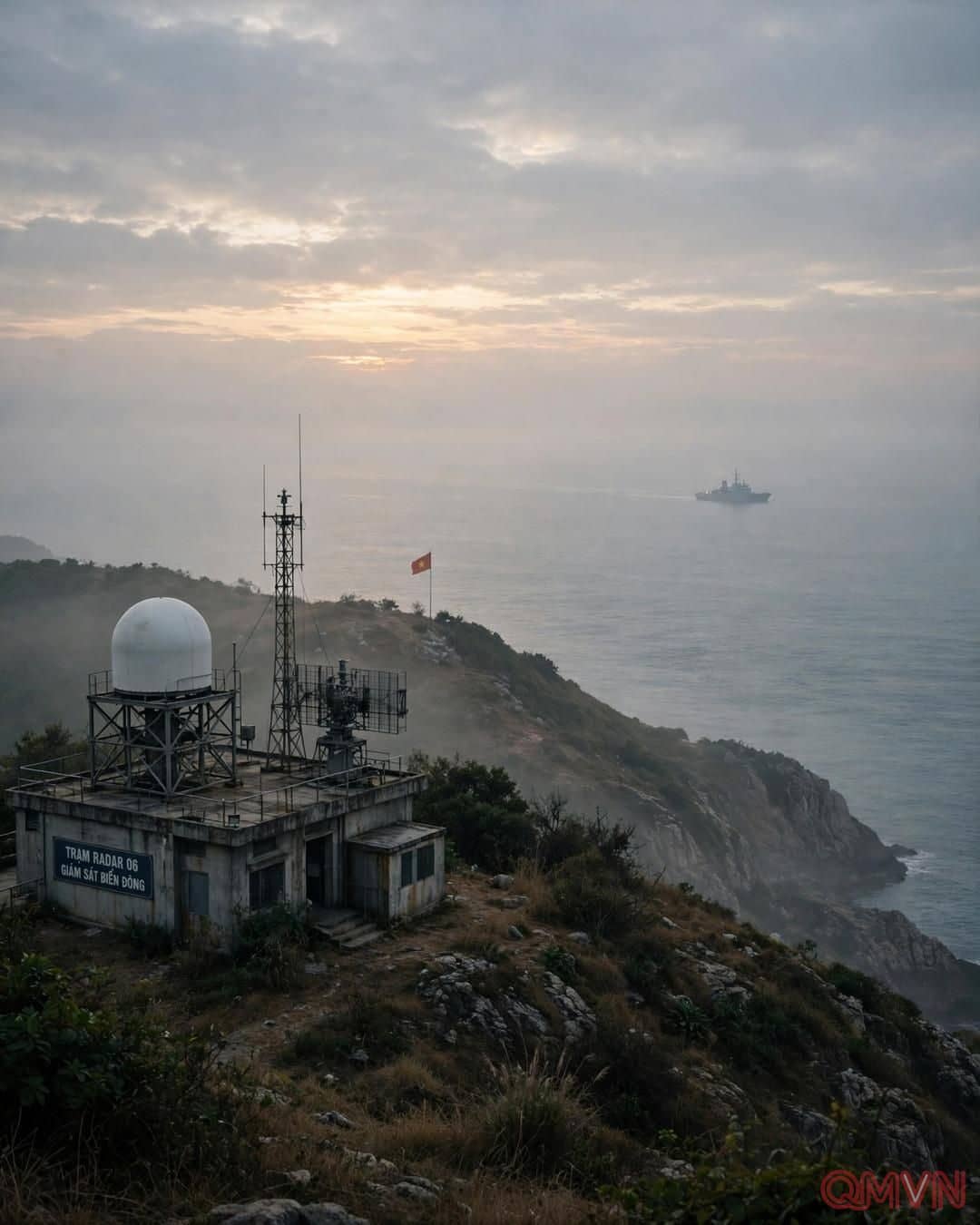
On November 9, Japan and the Philippines exchanged diplomatic notes in Manila covering a grant of 4.3 billion yen under Tokyo’s Official Security Assistance programme. According to Japan’s Ministry of Foreign Affairs, the project includes coastal radar for the Philippine Navy and unmanned surveillance aircraft for the Philippine Air Force. It is the programme’s first transfer of equipment classified as defence equipment.
Such assistance is significant because the ability to establish a reliable picture of activity at sea is a basic element of maritime governance. Better observation can help authorities document incidents and coordinate responses. Yet surveillance alone cannot resolve disputes over jurisdiction, and its contribution to safety depends on how information is used and communicated.
Different interpretations of regional security
Reuters reported that Chen rejected Japan’s involvement, arguing that it was not a party to the maritime disputes. Beijing considers the expansion of military partnerships a source of regional insecurity.