MAIN CONTENT
The physical footprint of a digital economy
The growing demand for AI and cloud computing requires buildings, electricity connections, cooling equipment and reliable backup power. These requirements make the location of a data centre an important public issue, not merely a commercial real estate decision. JLL estimates that revenue in Japan’s data centre market could reach $33.4 billion in 2030, compared with $23.4 billion in 2024. Its research projects average annual growth of 6.7% over 2025–2030. The figures describe a forecast, not guaranteed revenue.
Concentration around Tokyo offers access to customers and established infrastructure, but also creates potential conflicts over limited urban land. A facility can deliver services to customers far beyond the district where it operates, whereas its noise and other physical effects are experienced locally. The challenge is to account for both sides of that equation before construction begins.
Kashiwa: a dispute over everyday comfort
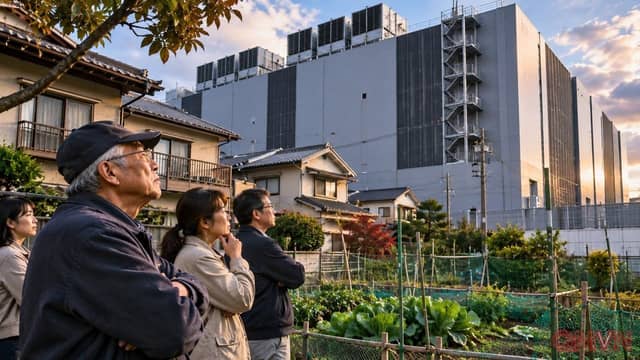
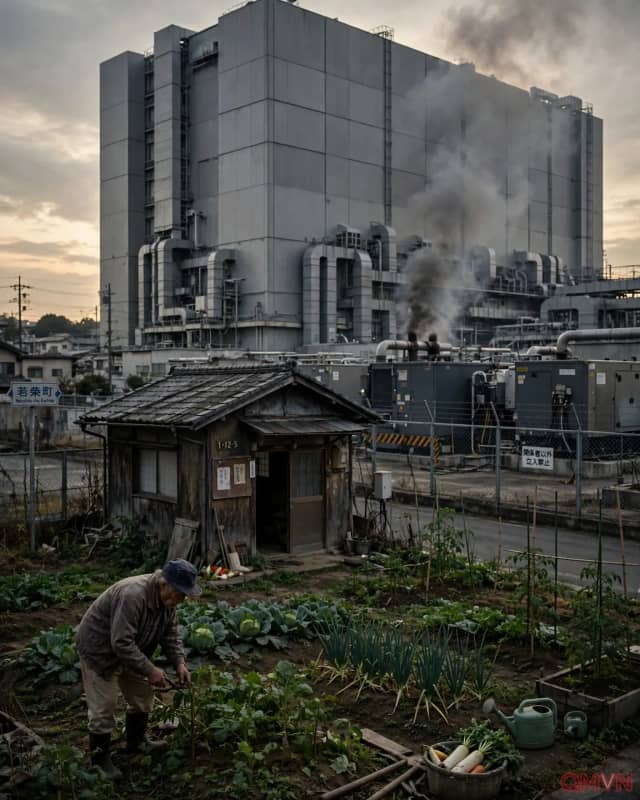
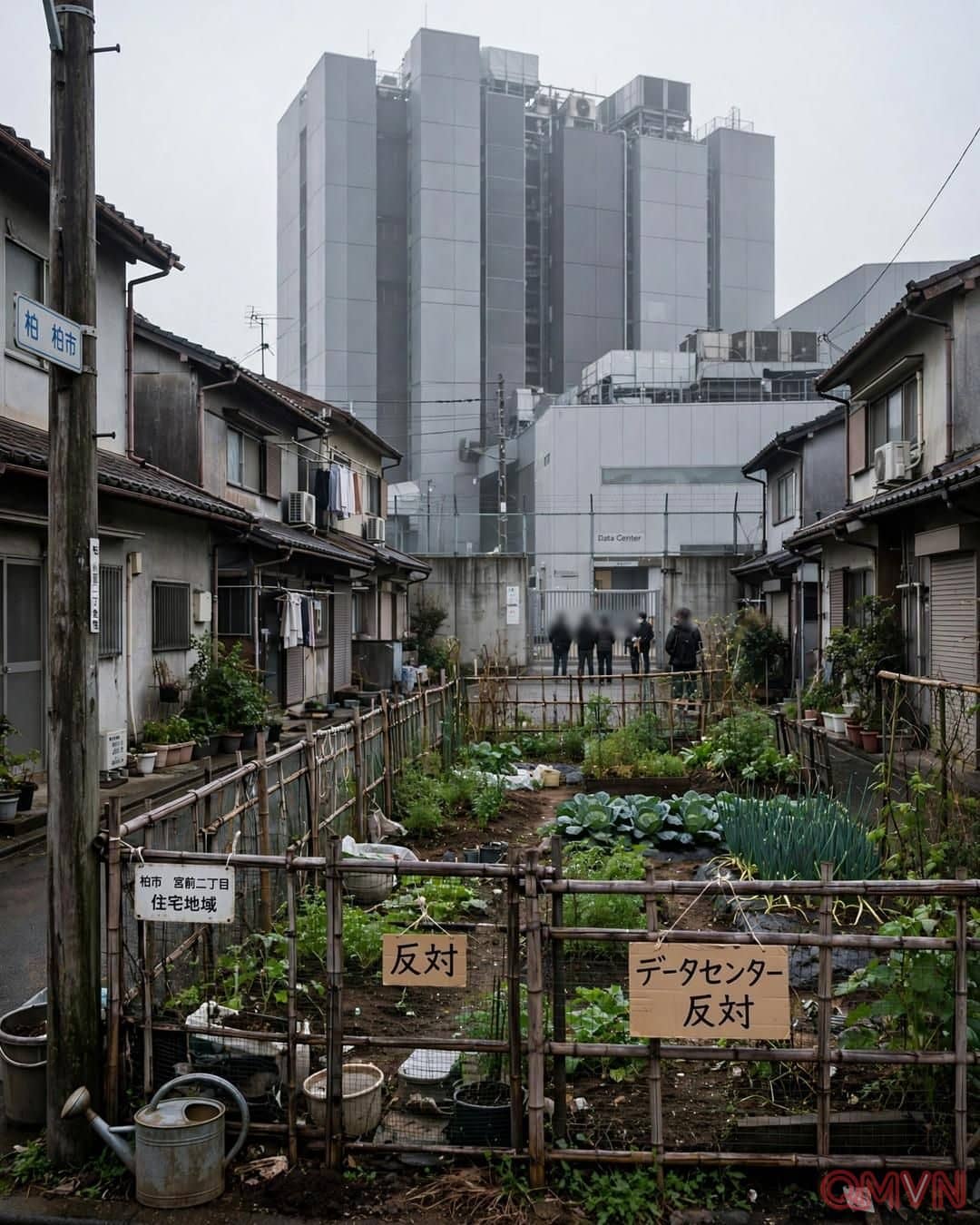
In Kashiwa, retired mechanic Susumu Goto told Reuters that two buildings belonging to PAG, each 31 metres high, have transformed the view from his home. He described intrusive generator noise, smoke and fuel odours. Reuters observed a generator test during its reporting. For households nearby, the issue is not an abstract debate about digital transformation but whether they can enjoy their homes without repeated disturbance.