MAIN ARTICLE
Contingency planning before the ballots are counted
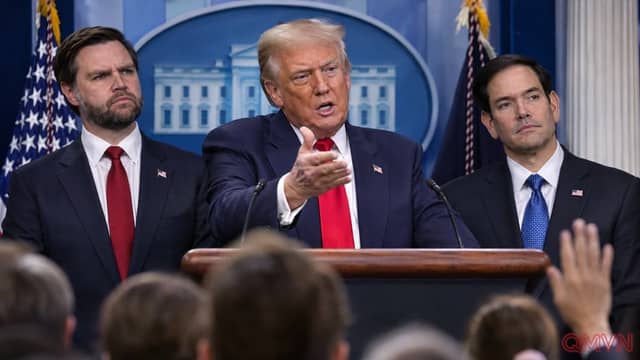
People familiar with the discussions told Reuters that deputy chief of staff Stephen Miller and Office of Management and Budget director Russell Vought have worked with White House lawyers since April 2026 to identify policies that could proceed under existing authority. White House counsel Will Scharf and his team have examined where the legal boundaries lie and how controversial measures might be defended in litigation. Sources said Trump had been briefed and participated in the discussions. Publicly, the administration rejected the implication that Republican defeat was inevitable and insisted it would continue pursuing its agenda.
Options reportedly under consideration range from new import duties on critical minerals and wind turbines to stricter visa rules for international students and temporary workers. Officials have also explored steps intended to reduce construction and housing costs. Such possibilities remain proposals, not an announced timetable of executive orders. Their legality would depend on specific statutory authority, administrative procedure and judicial interpretation. An action unveiled quickly could therefore take much longer to implement, especially if companies, states or affected individuals challenge it.