MAIN CONTENT
The summit of practical repairs
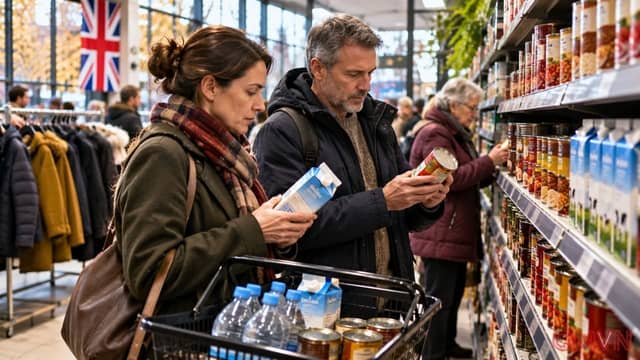
The Brussels meeting is the second formal UK–EU summit since Britain left the bloc. The two sides are working toward arrangements intended to make trade in agricultural and food products less cumbersome, connect their carbon-pricing systems and offer limited youth mobility. These remain prospective outcomes ahead of the meeting, not completed agreements. Their significance lies in customs paperwork, compliance costs and the opportunities ordinary people can actually use.
Both governments have reasons to pursue incremental gains. British food exporters and importers face friction across a border that once operated within a common market. Linking emissions trading arrangements could make climate-related charges more predictable for affected industries. A carefully designed youth scheme may restore some opportunities lost when free movement ended, without recreating unrestricted migration rights.
Brexit’s economic legacy meets political caution
The 2016 referendum and the formal withdrawal in 2020 reshaped the relationship between Britain and its largest neighbouring market. Many economists attribute part of the UK's weaker trade performance to new barriers, although growth also depends on productivity, investment, energy costs and global shocks.