MAIN ARTICLE
A budget vote exposes a deeper divide
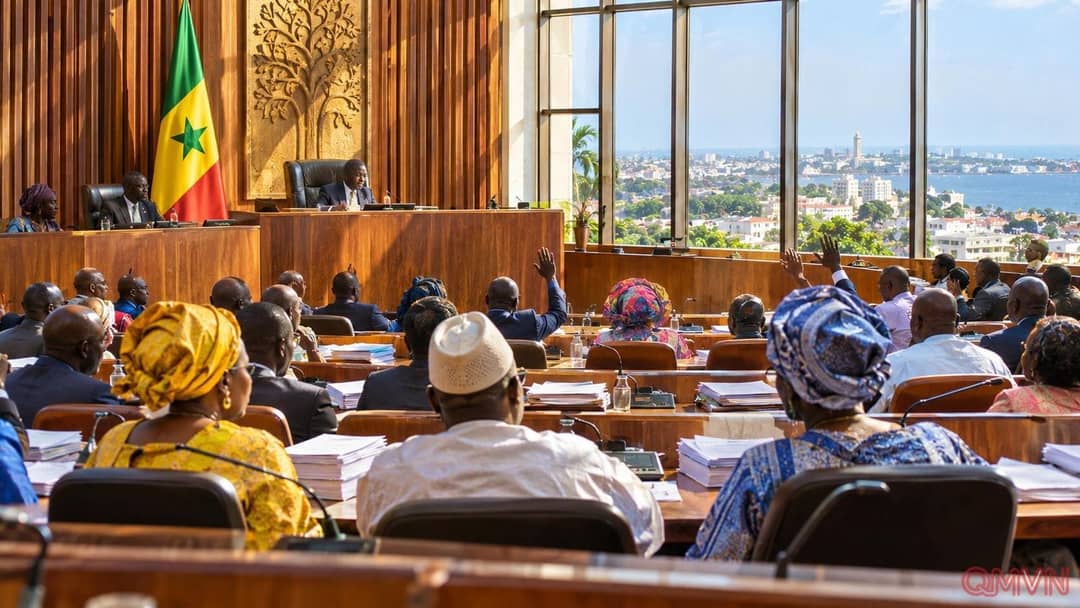
The October 30 vote followed an earlier rejection by the finance committee on October 23. According to Reuters, PASTEF, which commands a large parliamentary majority, objected to inadequate measures to ease living costs, insufficient documentation and a lack of clarity around special funds. The dispute is therefore not merely about the arithmetic of spending and revenue. It is also about who has the authority to examine public commitments and how those decisions are explained.
Senegal's Economy, Finance and Planning Ministry offers a different account. In an October 31 statement, it said detailed materials had been supplied and questions on energy support, family assistance and priority spending had been answered. Even so, the committee voted against the bill, the ministry said, adding that no alternative amendments had been put forward by committee members. It hopes the forthcoming plenary debate will provide a path toward agreement.
The IMF timetable becomes harder to secure
The revised budget matters well beyond a single fiscal year. Senegal hopes a three-year, $2.2 billion IMF programme will anchor more credible policies and support its strategy for dealing with heavy debt.