MAIN CONTENT
A contested idea from the United States
In an interview with The New York Times, Klein describes “end-times fascism” as a politics that takes planetary-scale breakdown as a given. Her argument differs from analyses of last century’s fascism because it is framed by a world with nuclear weapons, a warming climate and deeply interconnected technological systems.
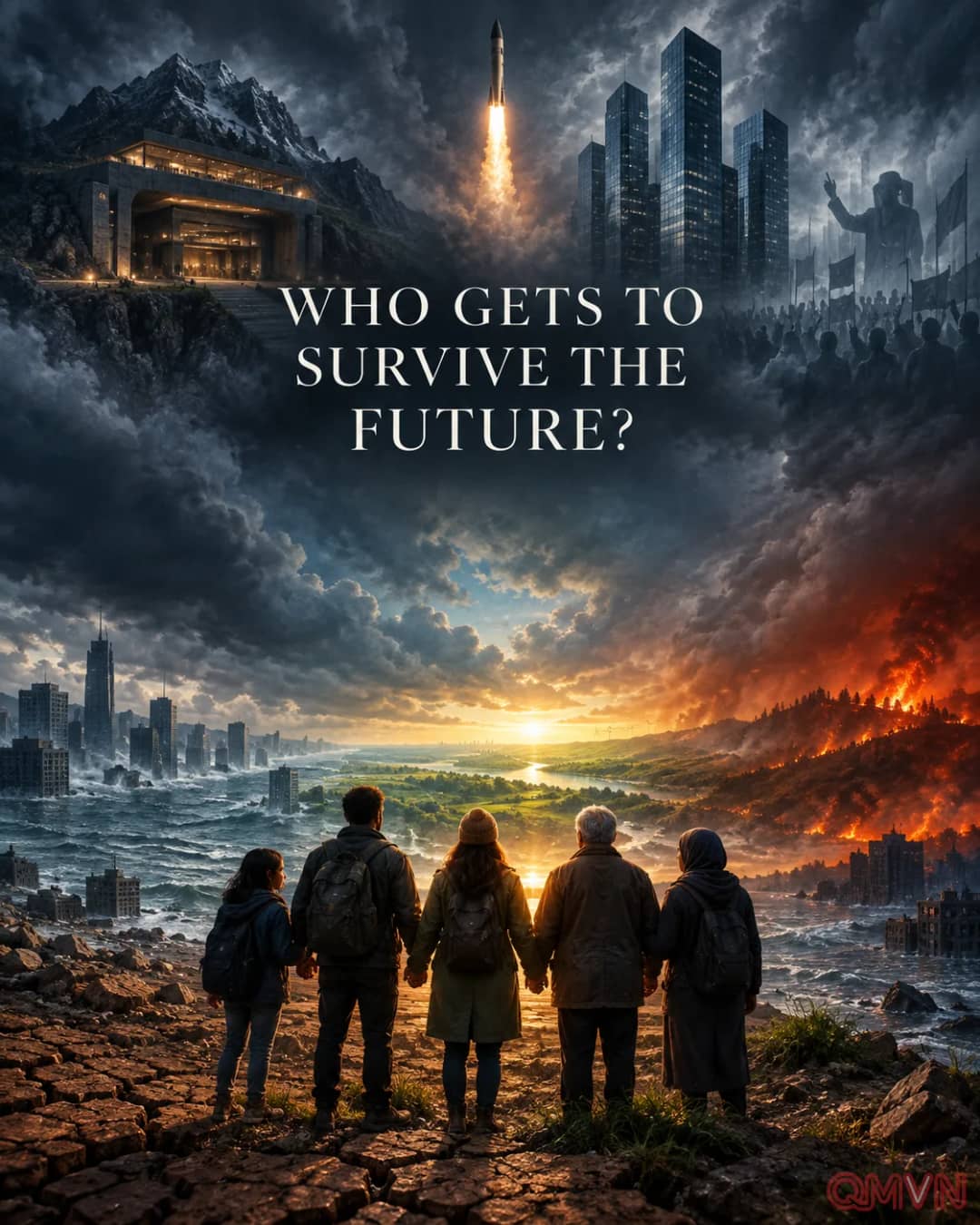
Taylor identifies three currents that, in her and Klein’s account, can converge despite their differences: religious end-times believers, ethnonationalists who seek to turn nations into fortresses, and segments of the technology elite who imagine private escape through technology or space. This is the authors’ critical interpretation, not a claim that every conservative, religious person or technology worker belongs in one category.
We call them traitors, but not traitors to nation, not traitors to a flag or a border, but traitors to creation, traitors to life.
When shared life is replaced by survivalism
Klein and Taylor’s central concern is a shift from common responsibility to privileged survival. Images of luxury bunkers, private islands and dreams of leaving Earth become symbols of a political imagination in which those with resources separate themselves from consequences instead of reducing risks for everyone.