Main article
A letter asks leaders to agree who can speak for Europe
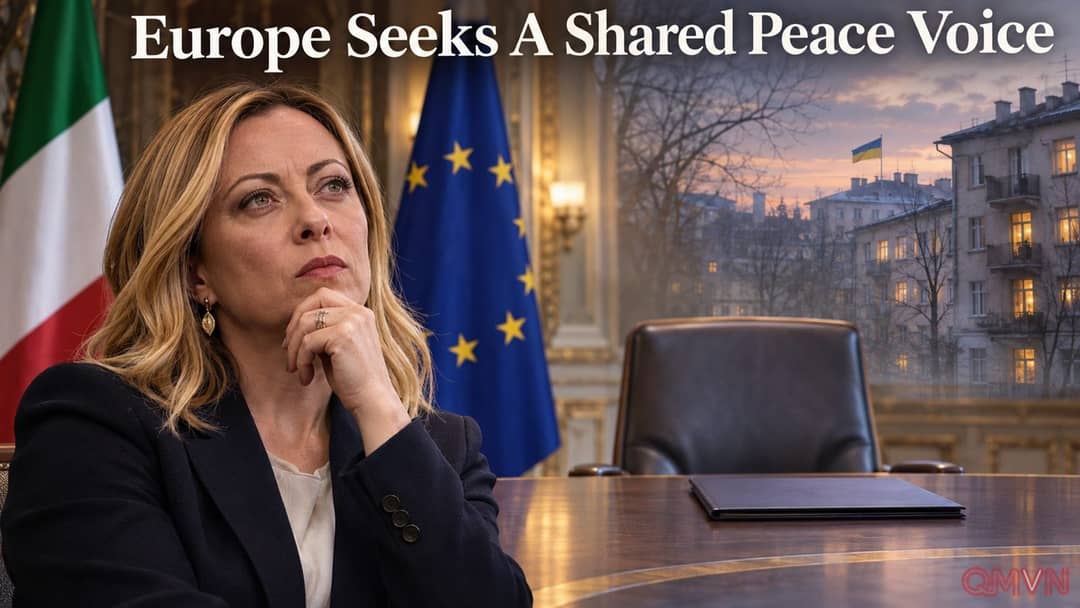
Meloni's warning concerns the way Europe organises its diplomacy. According to Reuters, she told Costa that a proliferation of negotiating formats was reducing European credibility and creating an impression of initiatives proceeding without a common order. She wants EU leaders to choose a representative and define that person's authority. The letter therefore raises two connected questions: who should speak, and which commitments that speaker would be entitled to discuss on the bloc's behalf.
The Italian leader explicitly denied pursuing a negotiating place for herself or Italy. That qualification matters because it puts the stated objective on collective representation rather than national prominence. She also said Rome would not accept commitments negotiated without an EU mandate. This is Italy's political position as described in the letter. It should not be read as a judicial determination about the validity of any particular agreement, or evidence that a specific unauthorised commitment has already been concluded.
The timetable is also a proposal. Meloni asked for discussion at the informal European Council in Dublin the following week, leading to a formal decision at the December summit after consultation with European partners. Reuters did not report an agreed nominee, a completed mandate or approval of her plan. Keeping those stages distinct helps readers see where the decision now lies: with leaders who must first decide whether and how to take the proposal forward.