MAIN ARTICLE
When the AI narrative meets a balance sheet
Technology shares had benefited from the conviction that demand for AI chips, computing capacity and data centres would expand almost without limit. Investors are now asking harder questions about debt, profitability, the payback period for expensive infrastructure and local resistance to electricity- and water-intensive facilities. Companies valued primarily on earnings expected far into the future are particularly exposed when confidence shifts.
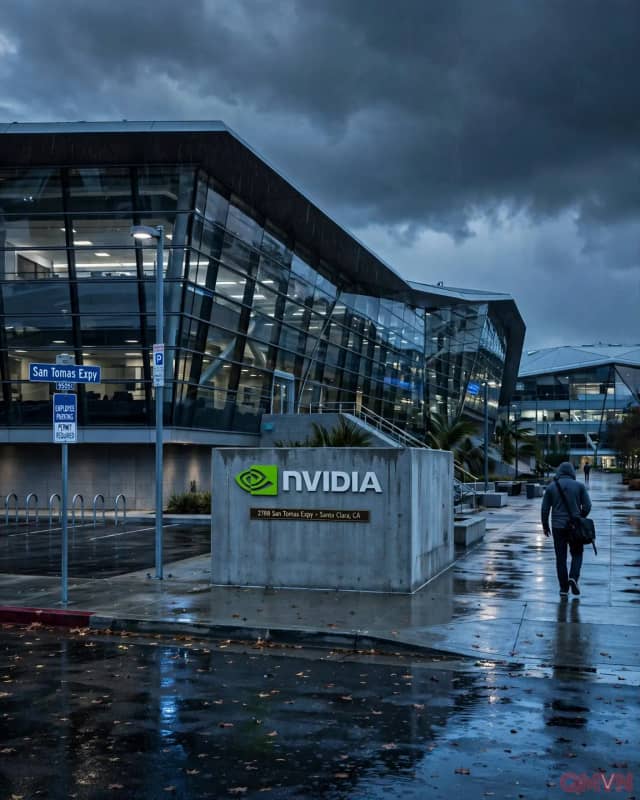
Reuters estimates that nearly $9 trillion in global equity value has disappeared since August. Taiwan, a crucial semiconductor supply-chain hub, suffered a weekly decline of around 17%. The departure of Jensen Huang as Nvidia chief executive added uncertainty around a company closely associated with AI investment. AP reported that selling spread beyond chip designers to other suppliers of equipment and power needed for the buildout.
US rates raise the price of optimism
AI doubts are colliding with persistent inflation and concern that the US Federal Reserve may need further interest-rate increases. Higher financing costs make ambitious projects harder to fund and reduce the present value of future profits, especially for growth stocks. Changes in monetary expectations can therefore prompt investors to cut exposure across several asset classes rather than merely exchange one technology company for another.