A pollution map redrawn by low-cost sensors
The researchers set up a carefully calibrated network of low-cost particulate sensors, tracking air quality for five months at 49 sites along a 160-kilometre transect, from villages and small towns to the megacity of Delhi itself. The data were collected between July and November 2024.
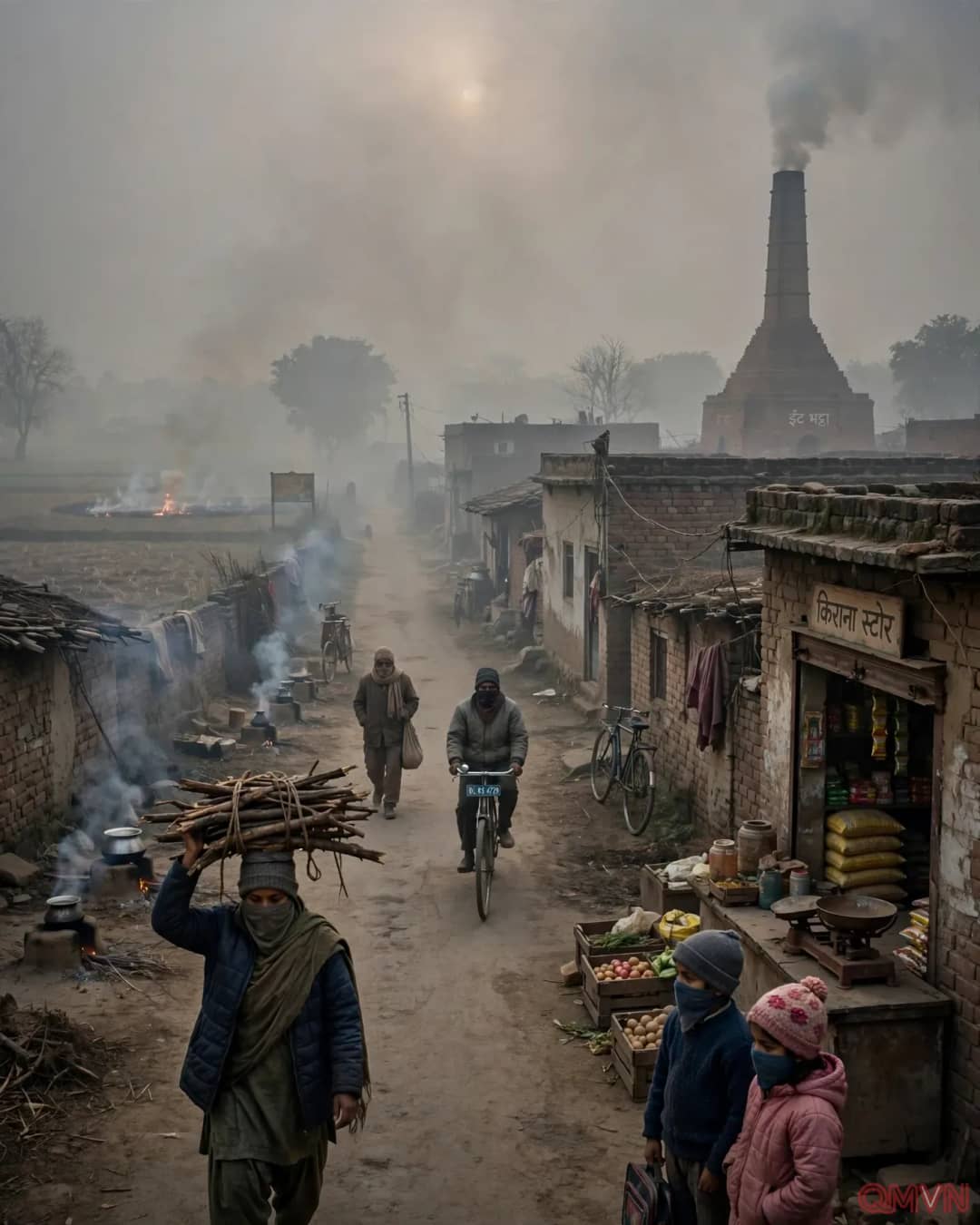
The results showed a clear seasonal pattern: relatively clean air during the July-to-September monsoon, followed by a sharp rise in pollution from mid-October and through November. In the city, traffic, construction and commercial activity were the largest local sources of pollution.
Not just stubble burning
The burning of crop stubble after harvest, often cited as the main cause of pollution in north-western India, did contribute to the seasonal deterioration in air quality in both Delhi and neighbouring rural areas. During this period, midday pollution in the city was at times up to 10 per cent higher than in the countryside.