MAIN STORY
The Dhahran fire and the remaining uncertainties
Saudi Arabia’s energy ministry said an Aramco administrative building in Dhahran was attacked, causing a limited fire without casualties. That identifies the site and the initial outcome announced by authorities. It does not mean the entire headquarters, refineries or export network were hit. The distinction matters when assessing an incident involving such a prominent energy company.
The New York Times report says the Houthis had threatened the headquarters but did not immediately claim responsibility. A threat before an incident forms part of the sequence, not a substitute for establishing who caused it or how the damage occurred. The coalition separately said an intercepted missile’s fragments had fallen in a residential area of Dhahran.
Aramco’s importance can make the incident generate concern far beyond an office building. The reference report, however, provides no figures establishing disrupted oil production or exports. An assessment of economic effects requires operational information and specific damage findings. The symbolic importance of the location cannot on its own establish the scale of losses or a change in global supplies.
Retaliation threats connect oil facilities on both sides
Houthi military spokesman Yahya Saree warned that attacks on Yemeni oil facilities would prompt retaliation against Aramco’s headquarters, its Riyadh refinery and King Khalid International Airport. That threat brings sites serving everyday life and economic activity into the confrontation.
The resulting concern extends beyond people close to conventional battlefronts, because essential services can have a much wider reach.
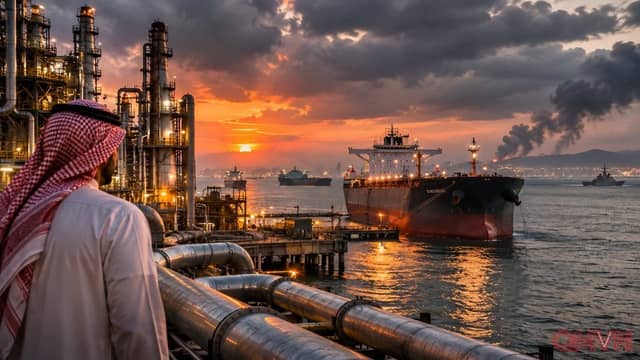
The coalition had urged civilians to avoid the al-Sabaha Central Station area in Sanaa. Houthi-run Al-Masirah television reported a Saudi strike on the oil facility. Anis al-Asbahi, spokesman for the Houthi-run health ministry, said attacks on an oil site in Hodeidah killed at least two people. That casualty figure needs to remain attributed to the authority supplying it.
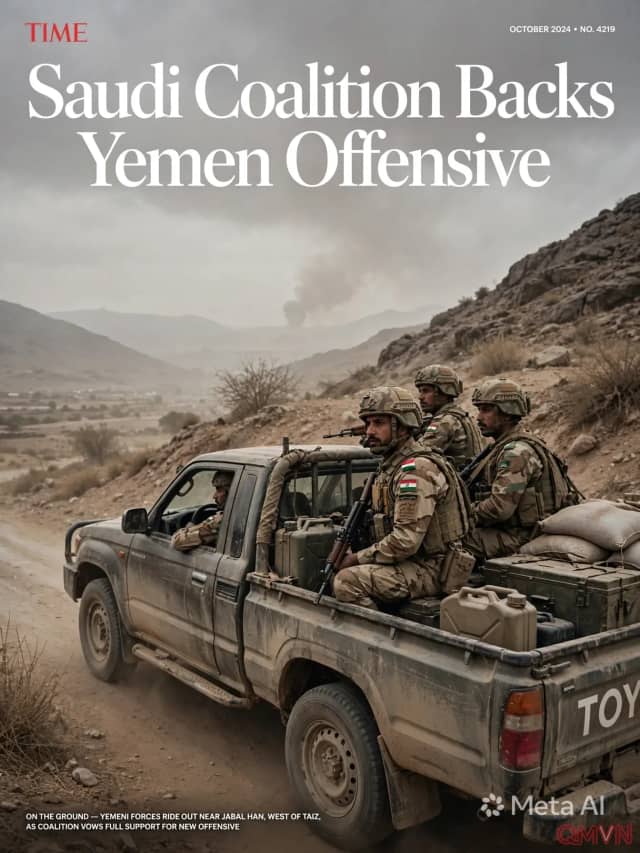
The coalition said it targeted Houthi capabilities and described the Sanaa and Hodeidah oil complexes as supporting the war effort. The reference report says Saudi authorities had not clearly confirmed each target struck. The military-use assessment is a statement by a party to the conflict; reports of sites hit and casualties from the opposing side also require clear attribution.
Airports and residential areas face direct pressure
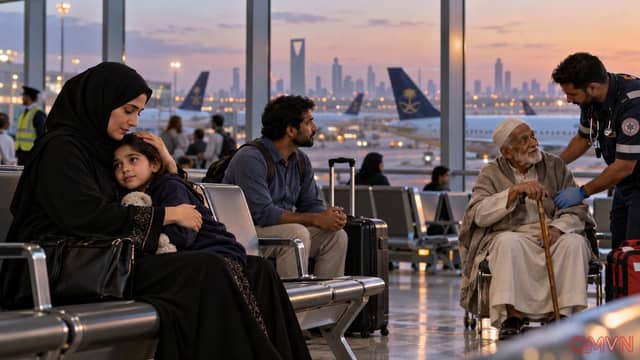
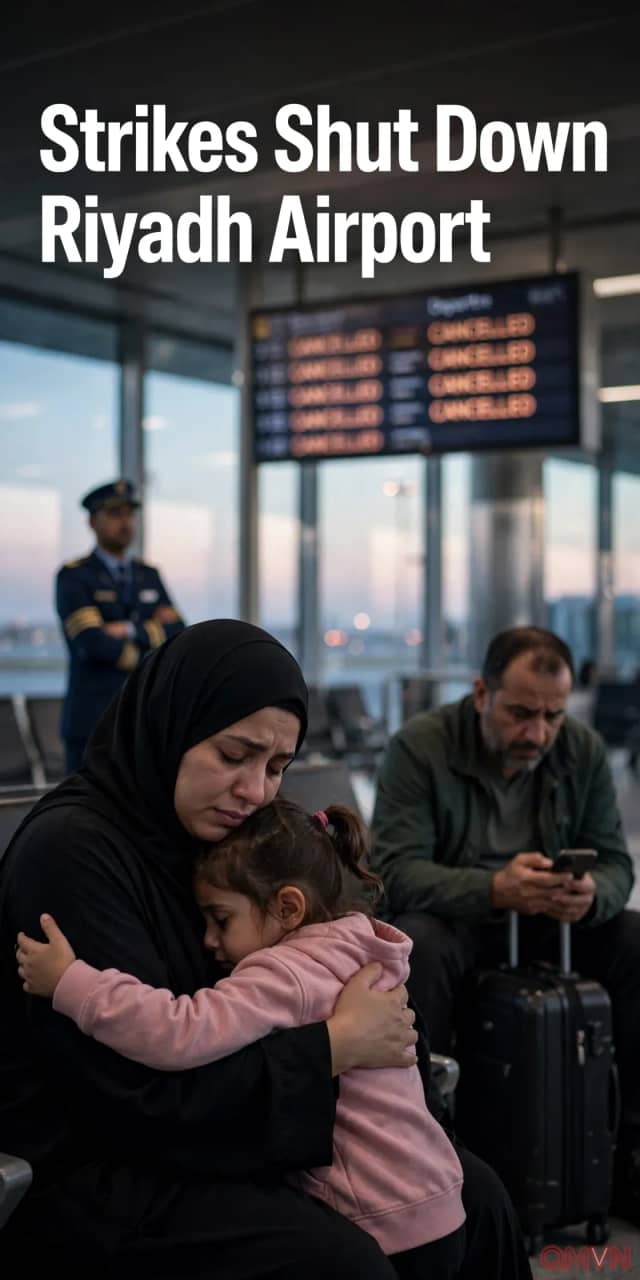
Saturday’s strike on King Khalid International Airport killed at least 13 people and wounded more than 300, according to Saudi authorities cited by The New York Times. These are casualties from the airport incident, not the Aramco building. Keeping the events distinct preserves a clear picture of harm rather than creating an undated combined figure.
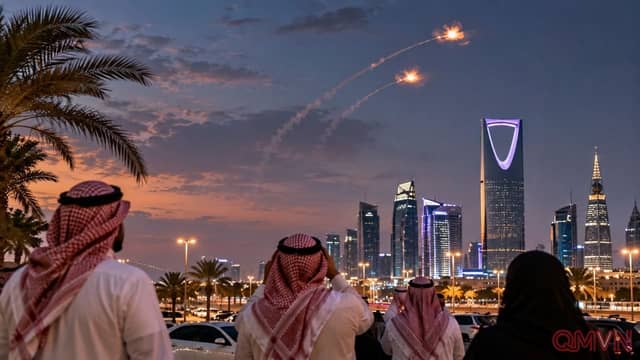
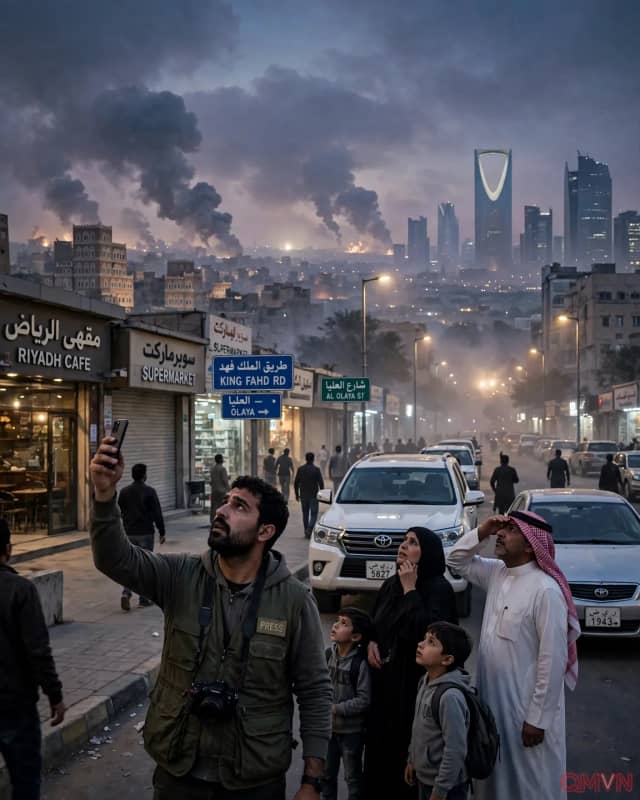
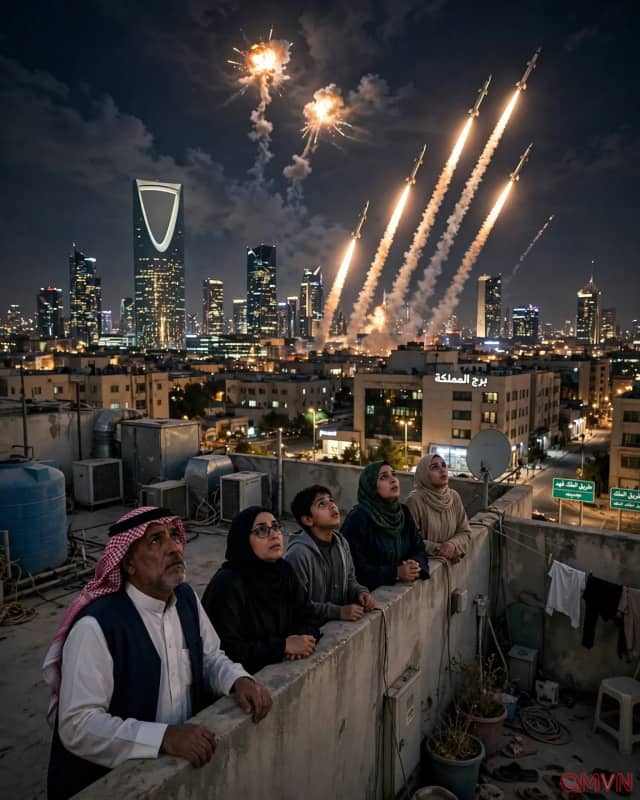
Coalition spokesman Turki al-Maliki said four cruise missiles headed towards Riyadh and southern Saudi Arabia, along with two drones, were intercepted. He also reported interception of a ballistic missile directed towards the eastern region, with fragments falling in Dhahran. A successful interception does not automatically eliminate every danger to residents below; defensive outcomes and civilian consequences are separate questions.
The cabinet chaired by Mohammed bin Salman warned of consequences for the Houthis after the airport attacks. Donald Trump condemned the group but, according to the reference report, had not accepted Saudi requests for direct US support in the fighting. That describes the response at the reporting point, rather than guaranteeing that policy will remain unchanged as events develop.
De-escalation as a need rooted in civilian life
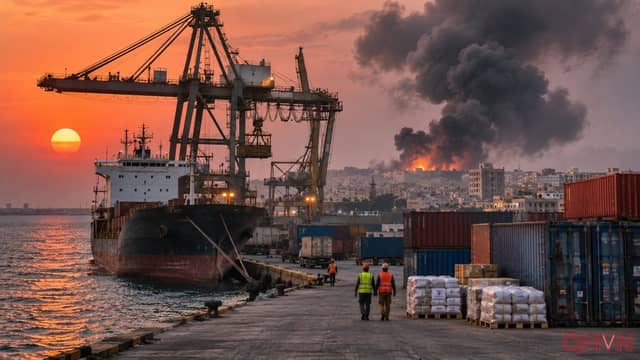
The ICRC urged urgent de-escalation on October 13. Its published statement warns that attacks on ports, airports and essential infrastructure can seriously affect communities relying on them. When fuel and transport become part of retaliation, consequences for everyday life can extend beyond visible damage to a single building. The warning therefore concerns access and continuity as well as immediate casualties.
“Civilians are paying an unacceptable price as a result of military operations in the Middle East.” Mirjana Spoljaric
The ICRC president’s words place people at the centre while the parties discuss military capabilities and retaliation. Evacuation warnings are important information, but do not by themselves resolve every risk for those remaining nearby. What matters next is whether exchanges slow, essential services are protected and damage information is updated clearly enough for communities to understand the developing situation.