MAIN CONTENT
What 67 recommendations can—and cannot—deliver
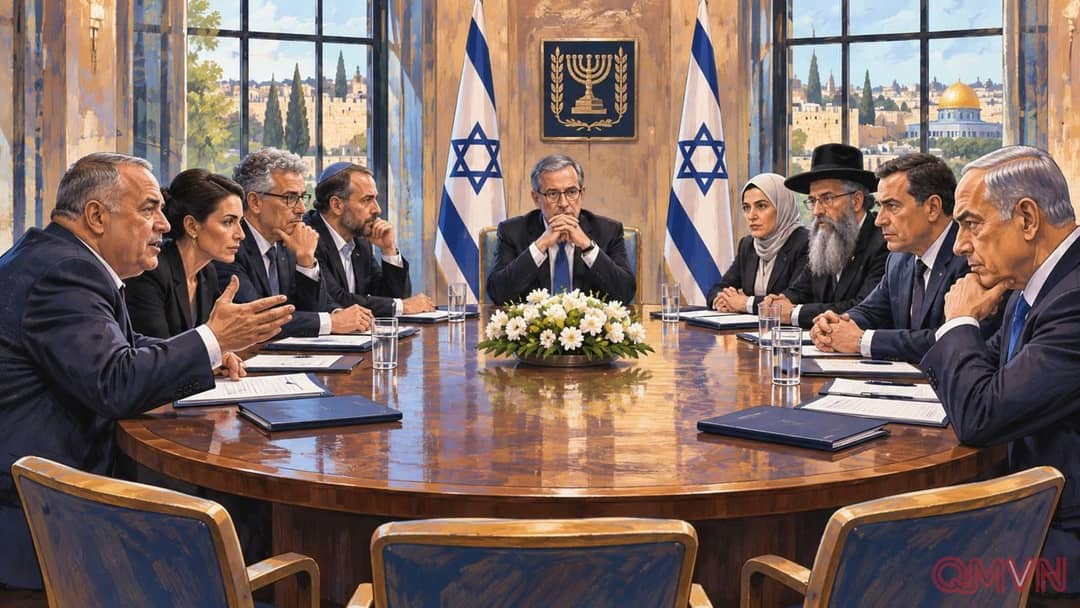
Representatives of Israel’s political factions visited President Isaac Herzog in Jerusalem on November 5 to identify their preferred candidate for forming the next government. With 67 lawmakers supporting Gadi Eisenkot against 46 backing Benjamin Netanyahu, the opposition leader gained a substantial political advantage. These endorsements, however, were delivered during presidential consultations; they were not a parliamentary confidence vote for an agreed cabinet and program.
Reuters reported that Eisenkot’s more closely aligned anti-Netanyahu bloc holds just 48 seats, while Arab-led parties secured 19. Some of those parties want Eisenkot to get the first opportunity without committing themselves to cabinet membership or unconditional legislative support. In a 120-seat Knesset, an ordinary majority requires 61 members, and effective government depends on continued cooperation rather than one symbolic count.
Eisenkot therefore enters negotiations with a stronger claim to the first mandate but without the machinery of a working coalition. His challenge is not merely to persuade lawmakers to say he deserves a chance. He must persuade parties with sharply contrasting priorities to live with the same budget, ministers and policy choices.