MAIN CONTENT
A vote that shifts the balance in parliament
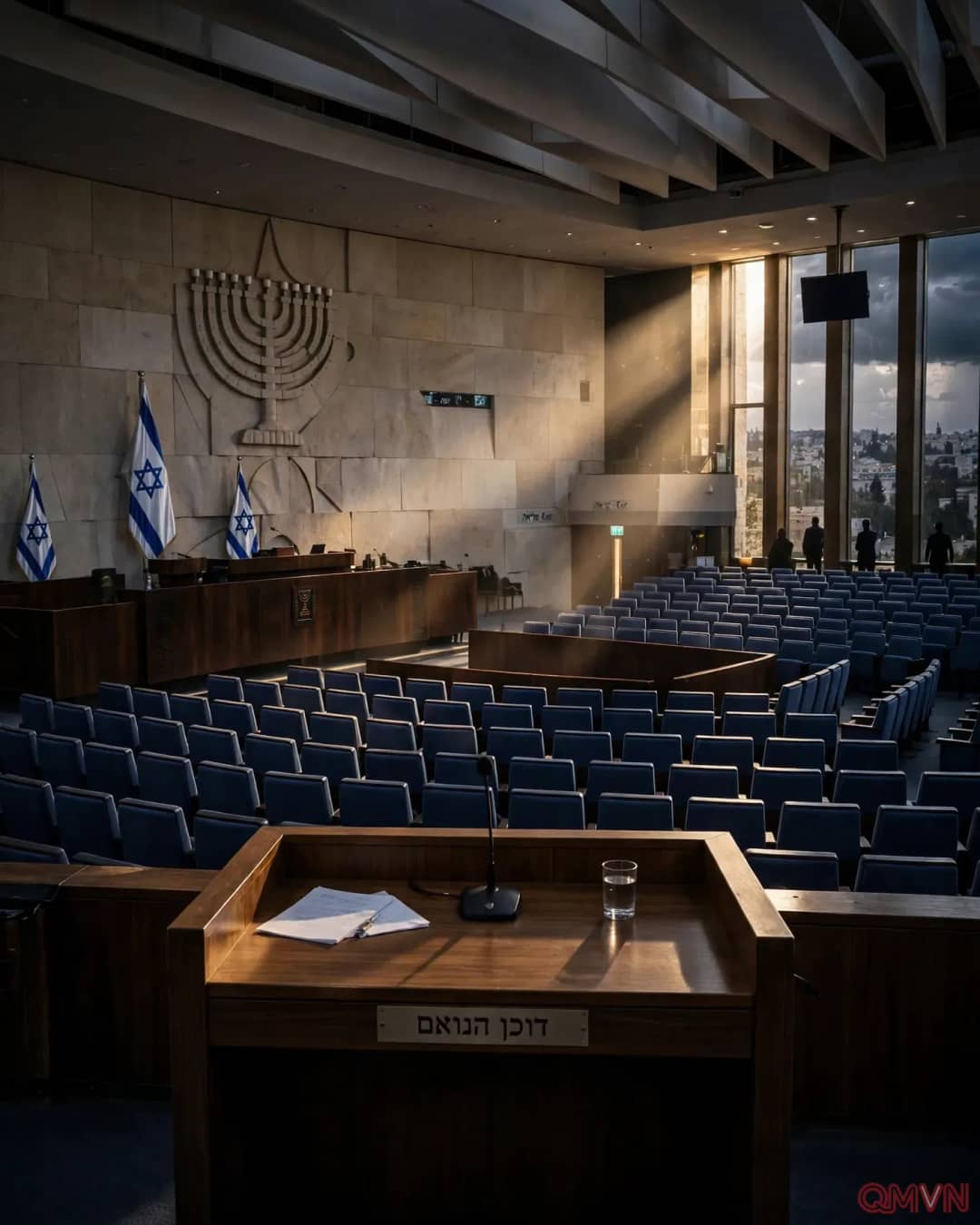
After hours of contentious debate, Israeli lawmakers chose Matan Kahana as Knesset speaker by 66 votes to 52. He replaced Amir Ohana, an ally of Netanyahu. The vote demonstrated that parties with markedly different platforms can cooperate when their immediate objective is to curb the outgoing government's parliamentary influence.
Reuters and the Associated Press reported that the winning coalition drew support from Jewish-led opposition parties and Arab-led parties. Such cooperation does not ensure agreement over security, economic policy or the role of Arab citizens in a future government. A procedural majority has a narrower meaning than a governing partnership.
In his inaugural remarks, Kahana promised to serve all Israeli citizens. That assurance matters in a sharply divided legislature, where the rights of minorities and the authority of parliamentary majorities frequently collide in arguments over the country's direction.
Procedural power meets an unforgiving timetable
A Knesset speaker cannot enact legislation alone, but can significantly influence the organization of sittings, debate and parliamentary business. The Israel Democracy Institute emphasizes that the legislature retains powers to pass laws, establish committees and oversee the executive even before a new government is established.