MAIN ARTICLE
A human moment amid diplomatic ceremony
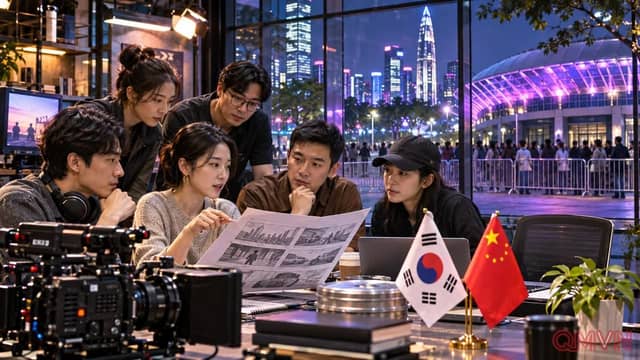
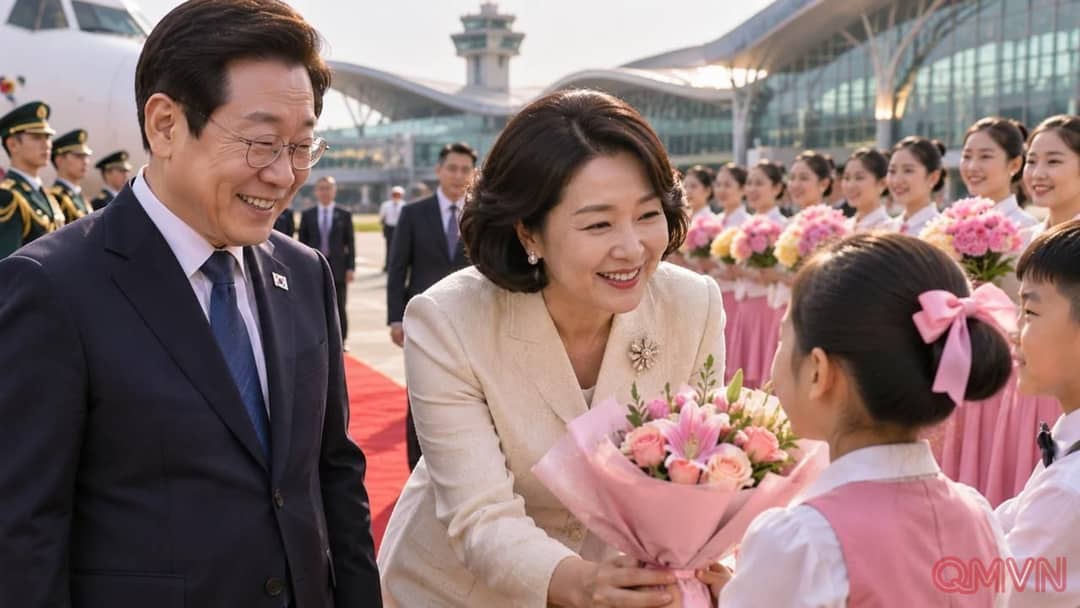
President Lee and his wife landed at Shenzhen Bao’an International Airport early on November 18 after engagements in the Philippines. Korean reports described a red-carpet reception, an honor guard and flower-bearing performers. The couple arrived for the November 18–19 APEC leaders’ meeting, which brought official talks and ceremonial occasions into the same crowded schedule.
Footage shared from the arrival drew attention to Kim’s exchanges with the people receiving the delegation. Smiles, bows and an attentive response to the presentation of flowers became the subject of online commentary. The reports do not establish the total size or representativeness of the response, making it important to distinguish visible enthusiasm among some users from the views of the Chinese public as a whole.
Style and affection enter the online conversation
According to the South China Morning Post on November 19, Chinese social media users praised Kim’s polished appearance, courteous interaction with airport staff and affectionate exchanges with Lee. Some adopted the vocabulary of celebrity fandom to celebrate the presidential couple.
These are reactions to public appearances, not verified insights into their private relationship.
The attraction partly lies in contrast. Summits usually reach the public through speeches, official photographs and disagreements; an unforced gesture feels personal by comparison. Yet clothing should not become the sole measure by which a woman in public life is judged. The meaningful aspect of such images is the respect and accessibility they convey, not the suggestion that presentation can replace policy.
A sincere gesture can travel farther than a lengthy speech.
Online admiration opens a conversation; it does not establish consensus.
People-to-people diplomacy beside high-level talks
On November 18, Lee met Chinese President Xi Jinping in Shenzhen, according to official Chinese accounts. Yonhap also reported that Lee and Kim attended a gathering with South Korean nationals living in southern China. Together these engagements illustrate the way a diplomatic visit can connect government-to-government discussions with the everyday experiences of citizens abroad.
A first lady does not negotiate trade terms or set security policy in place of elected officials. Nevertheless, public-facing interactions can soften an encounter and make the visiting country seem more familiar. Long-term results still depend on practical cooperation, cultural exchange and consistency in relations, rather than the number of video clips shared on social platforms.
The power and limits of a viral impression
Short videos are designed around memorable seconds. They can tempt viewers to treat carefully selected footage as the entirety of a diplomatic trip. Responsible reporting therefore considers when an image was recorded, who released it and the ceremony surrounding it. That caution avoids both dismissing human warmth and exaggerating its political significance.
Kim’s reception in Shenzhen reminds observers that international relationships operate on several levels, from negotiations to the courtesies exchanged by hosts and guests. A friendly image cannot dissolve strategic differences, but it may lower the emotional barrier to conversation. What deserves lasting attention is not the outfit of the day or a wave of likes, but the possibility that ordinary civility can help people see one another across national boundaries.