The Guards’ claim and the questions it leaves open
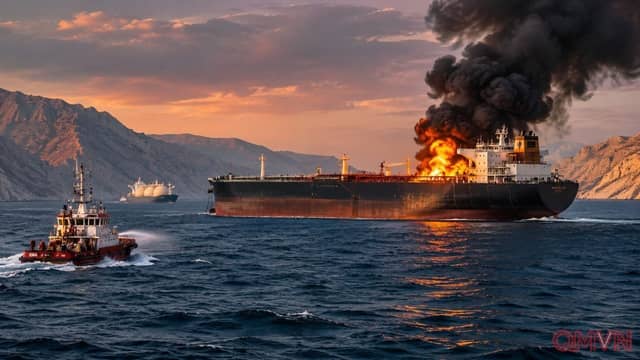
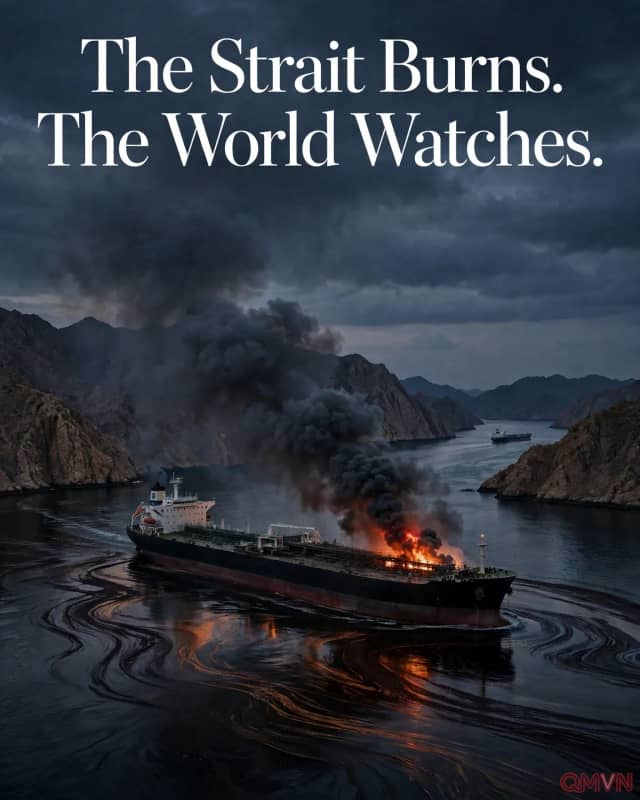
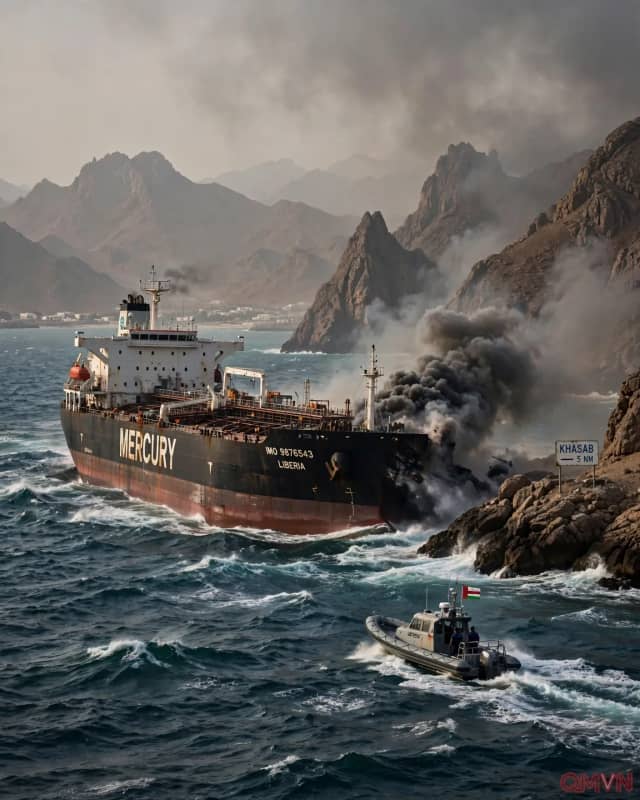
According to the IRGC Navy, the ship loaded with more than 2,500 containers entered a corridor Iran has declared off-limits, struck a mine, caught fire and went down in the south of the strait. The force also warned local vessels and fishermen to take great care at sea. Tehran gave no name, flag or word on the fate of the crew.
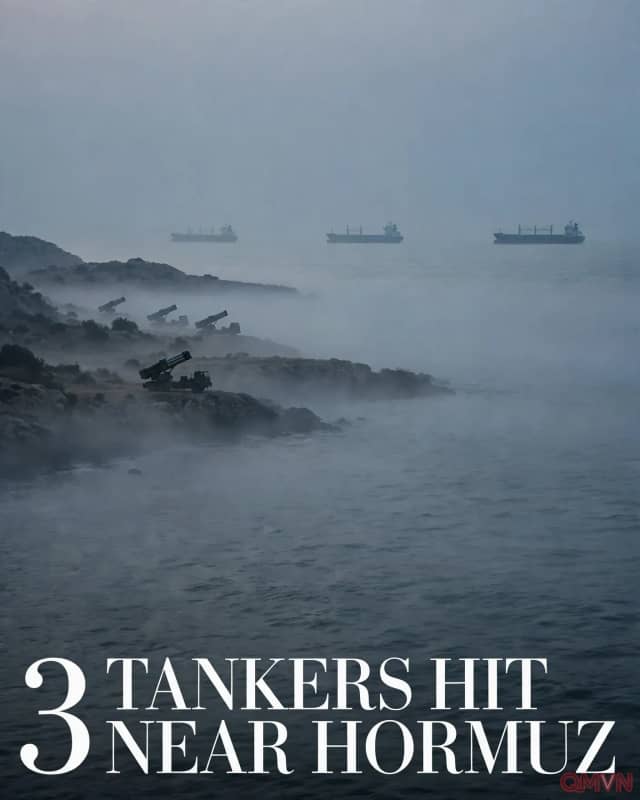
That absence of detail has made observers cautious. Only days earlier the IRGC said a supertanker able to carry about 2 million barrels had hit a mine, triggering an explosion in its engine room, and described it as the third vessel struck on the “prohibited route” since Saturday. International maritime security bodies have not fully confirmed these accounts, yet the ambiguity itself is spreading fear faster.
The aim is to frustrate efforts by the United States and its allies to bring down global oil prices.
An energy artery close to paralysis
Before the war, around 125 to 140 large commercial vessels passed through Hormuz every day, from oil tankers and gas carriers to container ships. Since February 28 that flow has come to an effective standstill. Several milestones stand out: