MAIN CONTENT
The border town where trucks signal change
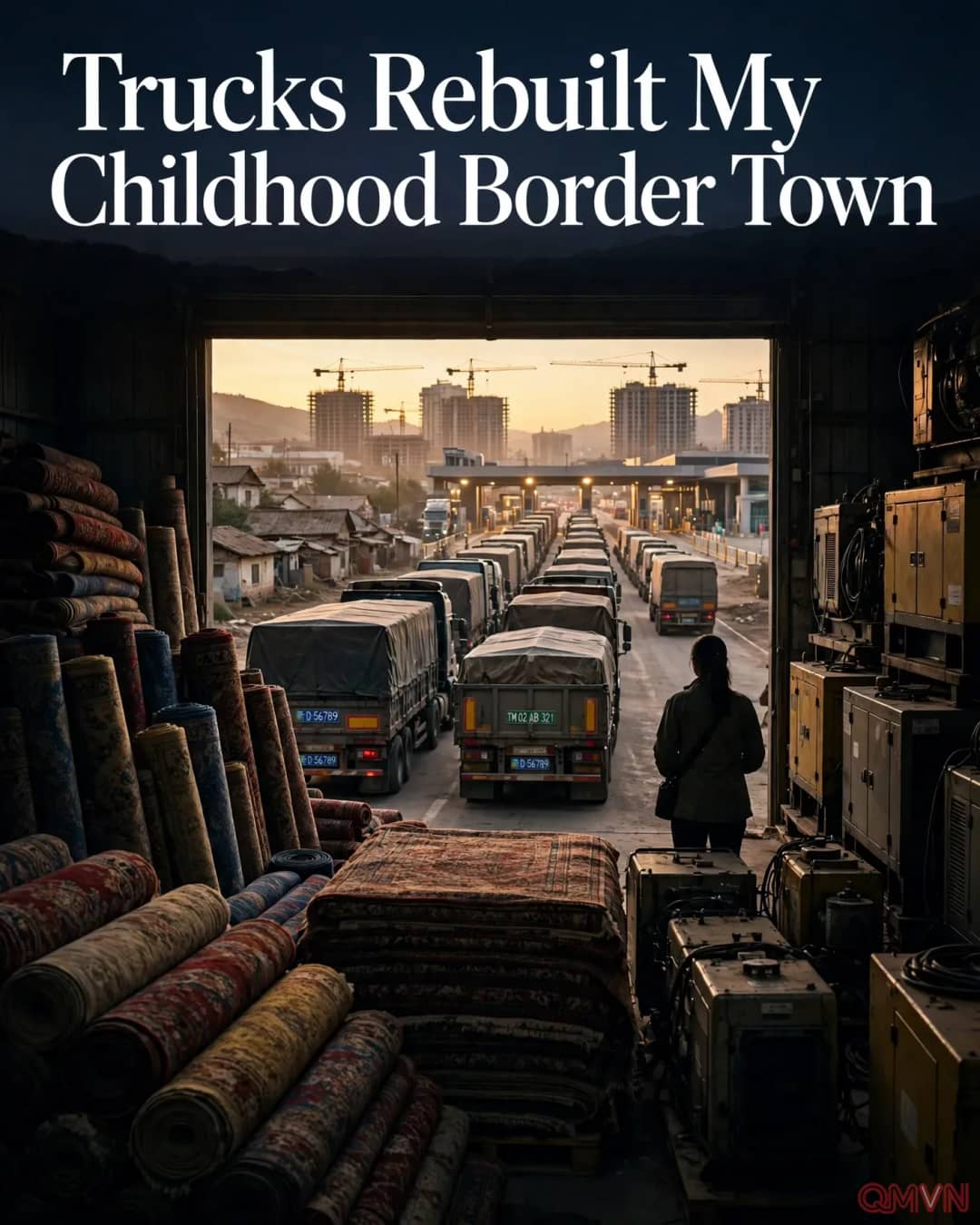
Visiting Khorgos on November 6, journalist Mia Nurmamat found a city increasingly unlike the place she remembered from childhood in the Ili region. Where a smaller frontier settlement once stood, more roads, warehouses and taller buildings now serve the movement of freight. A return trip earlier in February had already revealed queues of new and used Chinese electric vehicles awaiting export amid Lunar New Year slowdowns; by November, the commercial bustle seemed greater still.
The border's scale is measurable as well as visible. Customs data reported by the South China Morning Post put 2025 cargo throughput at 46.43 million tonnes, the eighth year in a row Khorgos ranked first among Xinjiang's land ports. This figure is the combined tonnage of imports and exports, not a count of trucks or a measure of the city's income. Kazakhstan's national railway operator separately reported more than 16.1 million tonnes moved through the Altynkol-Khorgos rail crossing in 2025, illustrating how road and rail links together support the wider corridor.
From Iranian households to western Chinese warehouses
Inside one warehouse, Nurmamat encountered stacks of clothing, furniture, televisions, sound equipment and carpets earmarked for Iran. A local freight forwarder said demand for household replacements had grown after damage caused by the war that began in February.