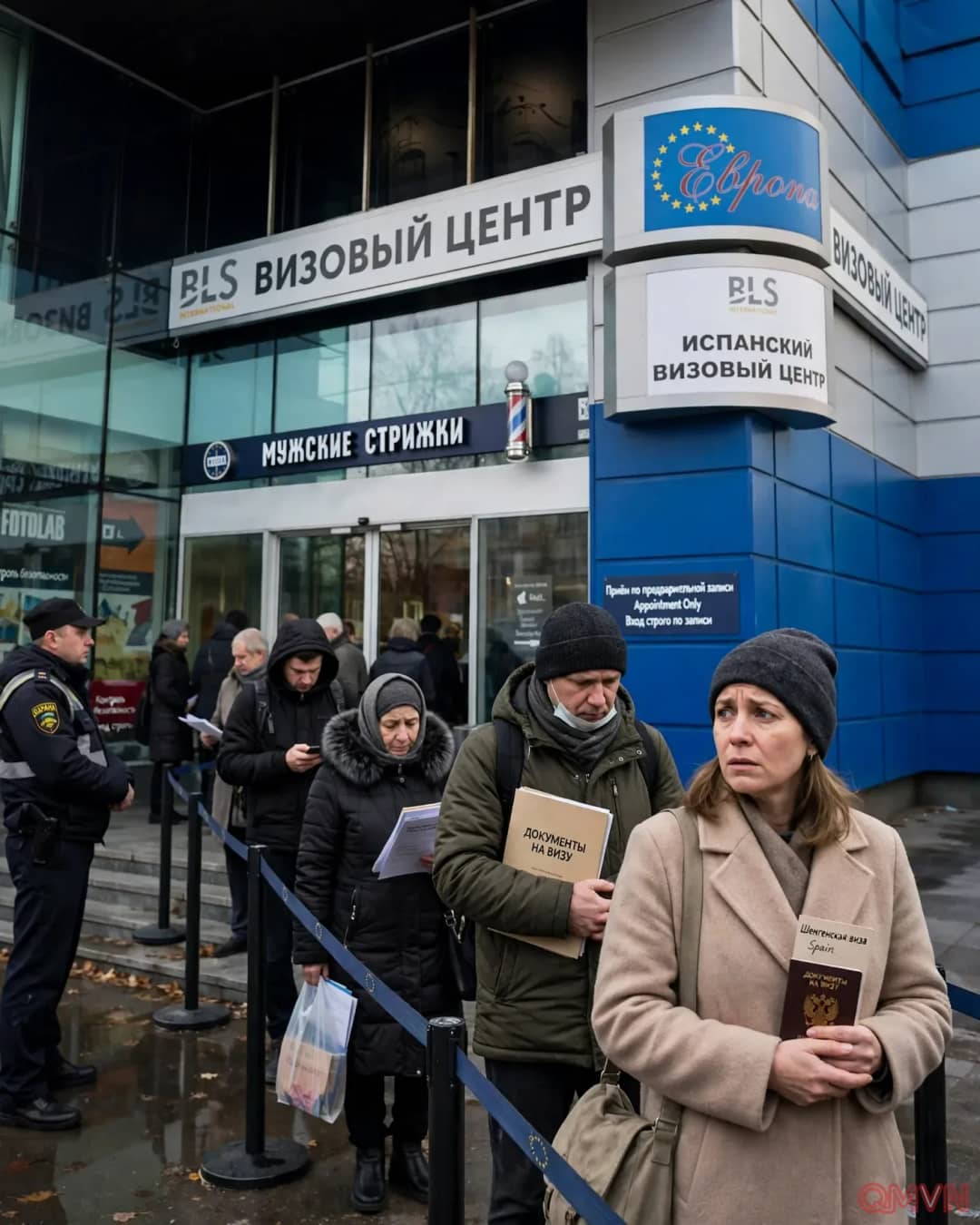
From restrictions to a total ban
Since Russia's full-scale invasion of Ukraine, the EU has steadily tightened visa rules for Russian citizens. The European Commission revoked the agreement on simplified Schengen visas for Russian tourists and stopped issuing multiple-entry visas; nearly half of member states stopped processing Russian applications, and some closed their borders entirely. As a result, only about 680,000 visas had been issued by the end of 2025, compared with 4 million in 2019.
For four years, the debate centered on moral and political arguments: one side said it was wrong for Russians to vacation in the West while Ukrainians suffered; the other warned such measures would merely help President Vladimir Putin build a new Iron Curtain without sparking protests inside Russia.
On October 11, the debate reignited with unprecedented intensity after the failed drone attack at Leipzig Airport. Even Germany, previously relatively moderate, proposed issuing Russians only Limited Territorial Validity visas. Poland, Finland and the Baltic states went further, pressing for an EU-wide ban on tourist visas for Russians.
“We fear that Russia is trying to carry out sabotage activities on European territory. Why, in heaven's name, are we letting them into European territory as tourists, where they can move around freely?” — Petteri Orpo, Prime Minister of Finland
Migration Commissioner Magnus Brunner echoed those concerns, saying “you never know who these tourists actually are” and urging EU countries to issue fewer visas to Russians. The European Commission is expected to present proposals to update its visa policy in January 2027.