MAIN CONTENT
A confident message to Asia-Pacific business leaders
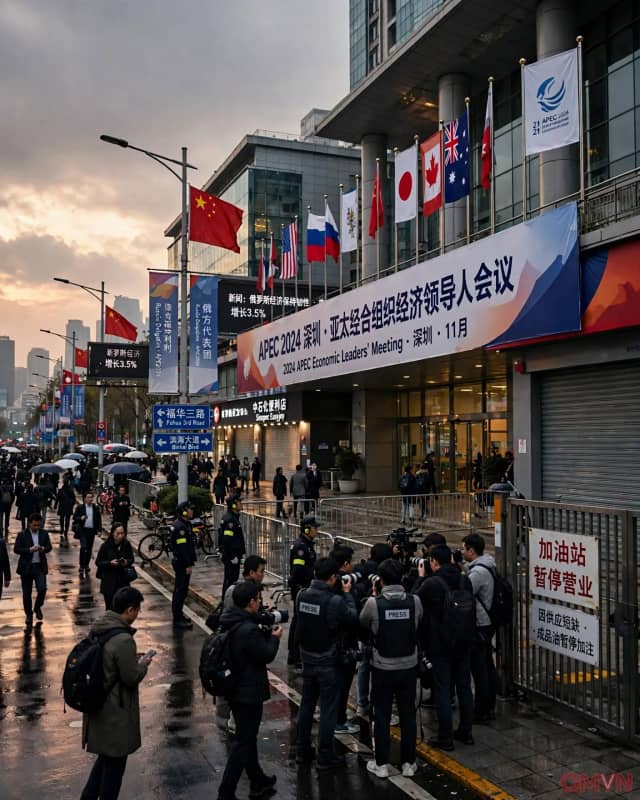
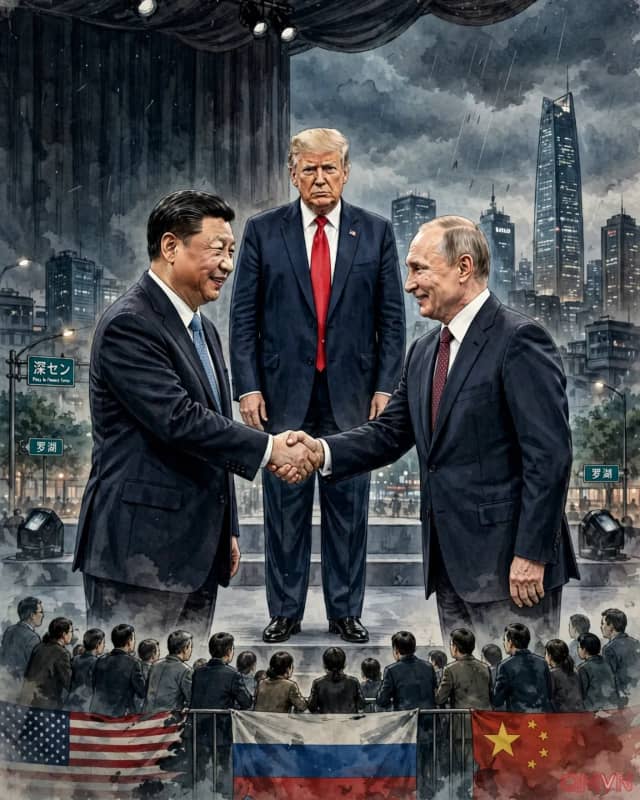
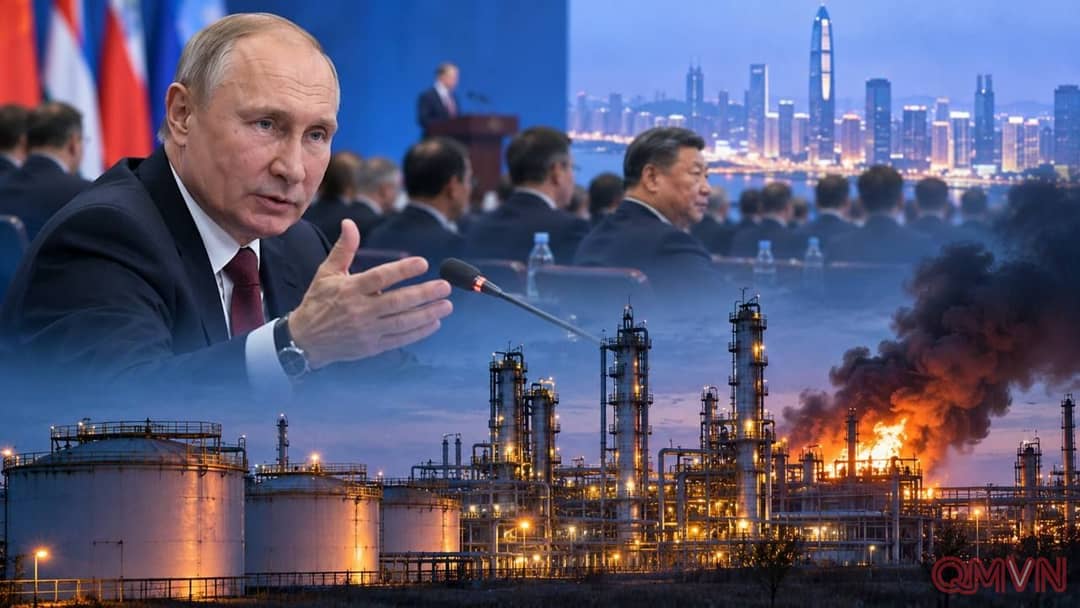
Addressing the APEC business summit in Shenzhen on November 18, Putin argued that sanctions had failed to isolate Russia. He depicted the country's adaptation to restricted Western trade as a spur to industrial renewal and offered closer cooperation and technology exchange with Asia-Pacific partners. The remarks served both an economic purpose, seeking investors and customers, and a diplomatic one, asserting that Moscow still belongs at the highest negotiating table.
But resilience is not the same as broad-based prosperity. An assessment by BOFIT, the Bank of Finland's research institute, found Russian output grew only about 0.6% year on year in the first nine months of 2026. State-backed and defense-linked industries have performed differently from companies facing expensive credit, constrained investment and uneven household demand.
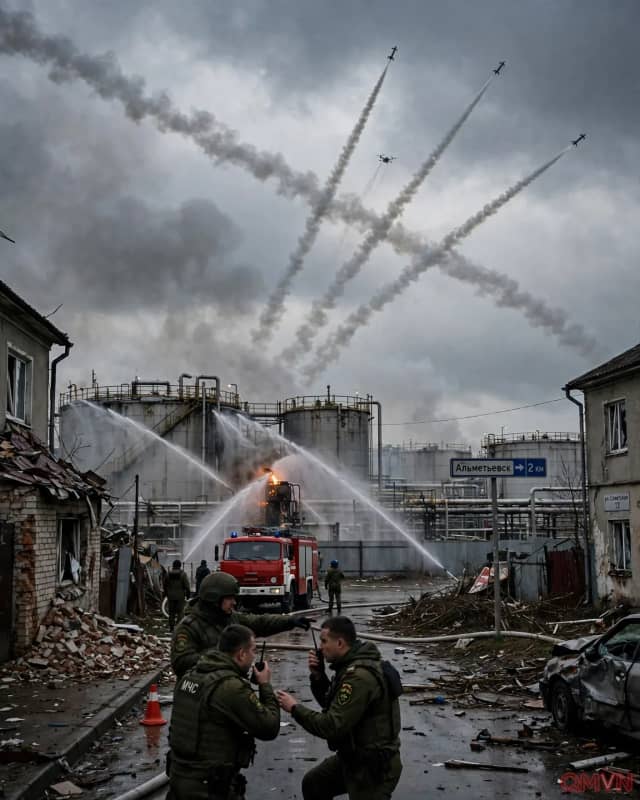
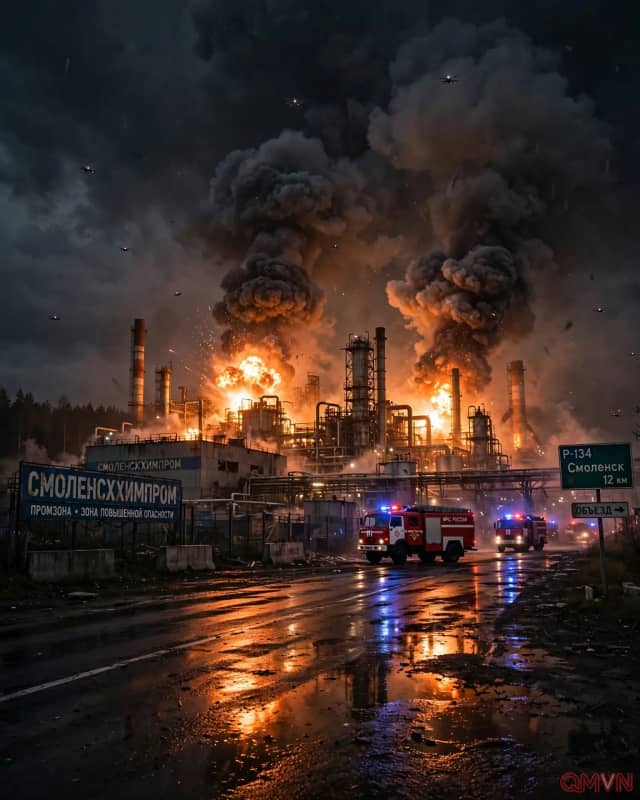
Putin's claims and the weak macroeconomic readings need not be treated as mutually exclusive. An economy can overcome certain external barriers yet become increasingly vulnerable to concentrated physical attacks. The unresolved issue is whether the gains from trade diversion and government spending can offset the damage from recurring infrastructure shocks.