MAIN REPORT
A courtroom demand for recognition
Proceedings began at the Eastern High Court in Copenhagen and are scheduled to run through November 19. Greenlandic broadcaster KNR reports that the 26 claimants launched their action in February 2023 and are each seeking 125,000 Danish kroner in compensation. Their lawyer, human-rights specialist Mads Pramming, believes the case raises substantial questions of unequal treatment. Those arguments remain claims to be tested by the judges: the opening of a trial does not itself establish that the Danish government bears legal liability or that compensation must be paid.
The disparity stems from different legal timelines. Children born outside marriage in Denmark obtained mechanisms to establish paternity and associated inheritance rights in the late 1930s. Comparable rules did not take effect in western Greenland until 1963, and in the north and east until 1974. Consequently, some children with Danish fathers could know their parentage in daily life yet still be unable to register that relationship. The label “legally fatherless” describes this failure of recognition, not necessarily the absence of a known biological father.
Inheritance and the limits of legal reform
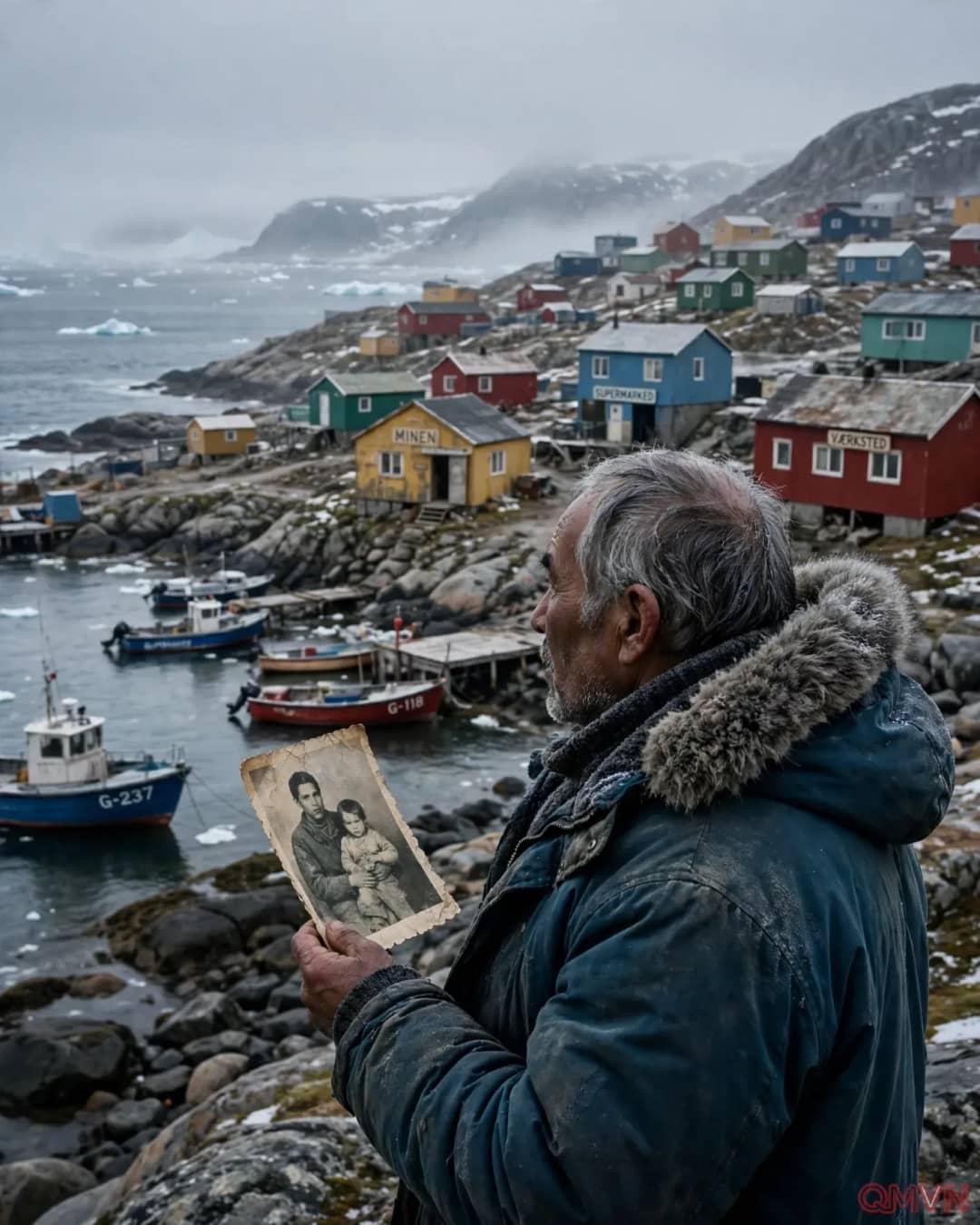
One plaintiff, Klaus Frederiksen, was born in 1962 in the former mining town of Qullissat in western Greenland. He told AFP that his Greenlandic mother and Danish father lived together and had two children without marrying. His father returned to Denmark in 1964.