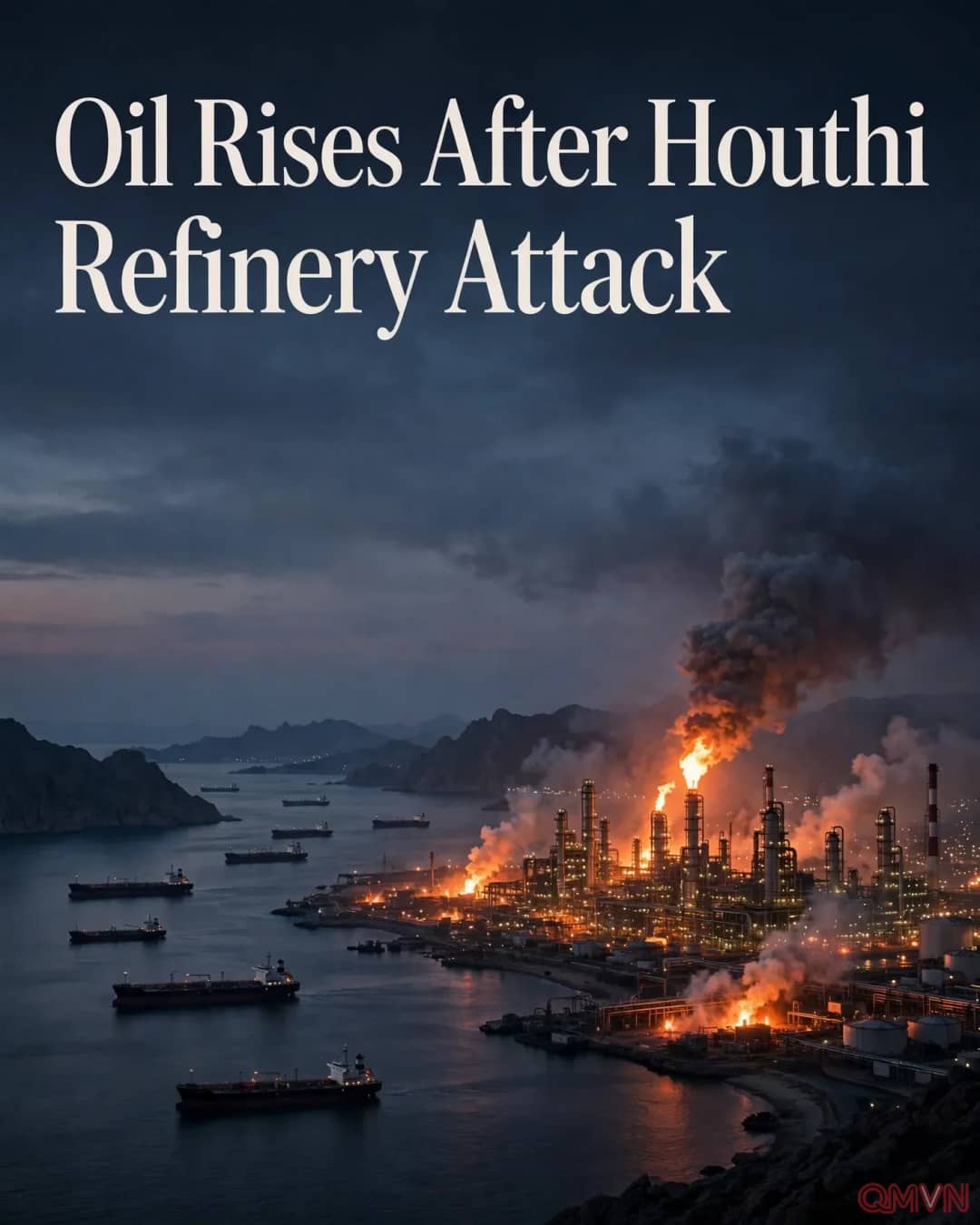
A price rise driven by uncertainty
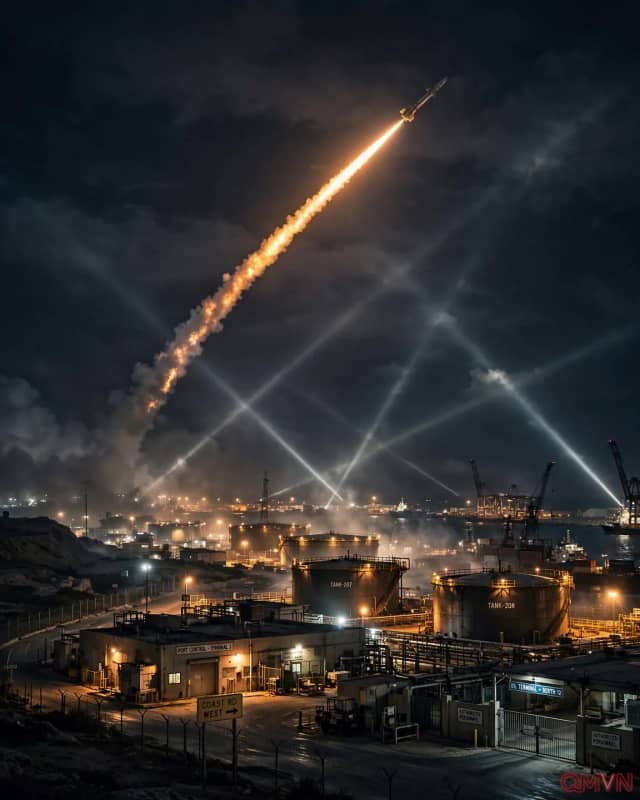
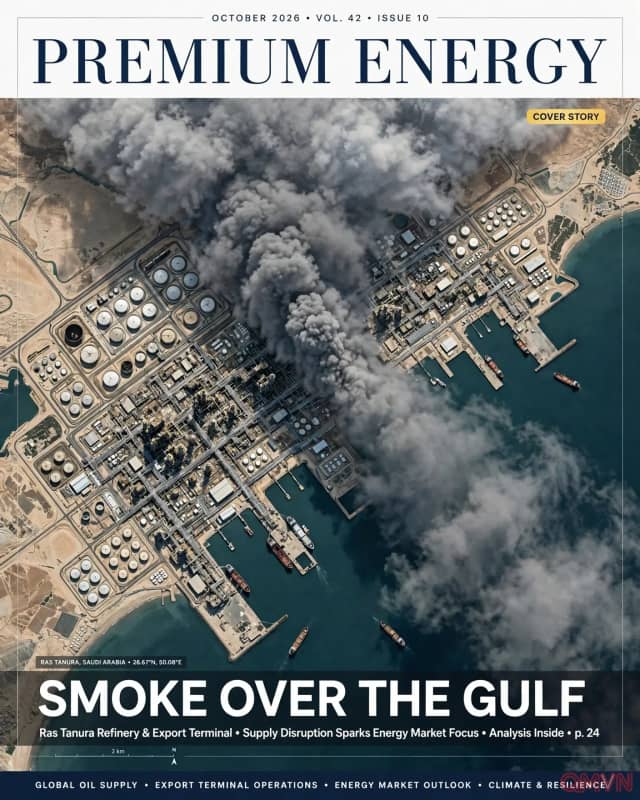
The first question for an oil buyer is not necessarily whether the world has enough crude, but whether the next shipment can arrive as promised. A report of an attack on an important refinery can change that calculation even before an operator confirms damage. The resulting risk premium is the additional value traders attach to uncertain supply, rather than a direct measure of barrels lost. Reuters attributed the latest rally partly to that mechanism. MarketWatch also reported the rise in oil on November 25 in its market coverage.
The price movement should not be interpreted as proof that production has stopped. A refinery processes crude into products such as diesel and gasoline, whereas an export terminal handles shipments. An interruption to one does not automatically imply an equivalent reduction in the other. The practical questions are whether operations continue, whether cargo schedules change and whether alternative supplies can cover any shortfall. Until reliable operational information emerges, those questions remain open.
The counterweight of inventories
A different story is emerging from US stock data. According to market sources cited by Reuters, the American Petroleum Institute estimated a weekly crude inventory increase of 126,000 barrels. A separate survey of eight analysts put the expected increase at about 1.5 million barrels.