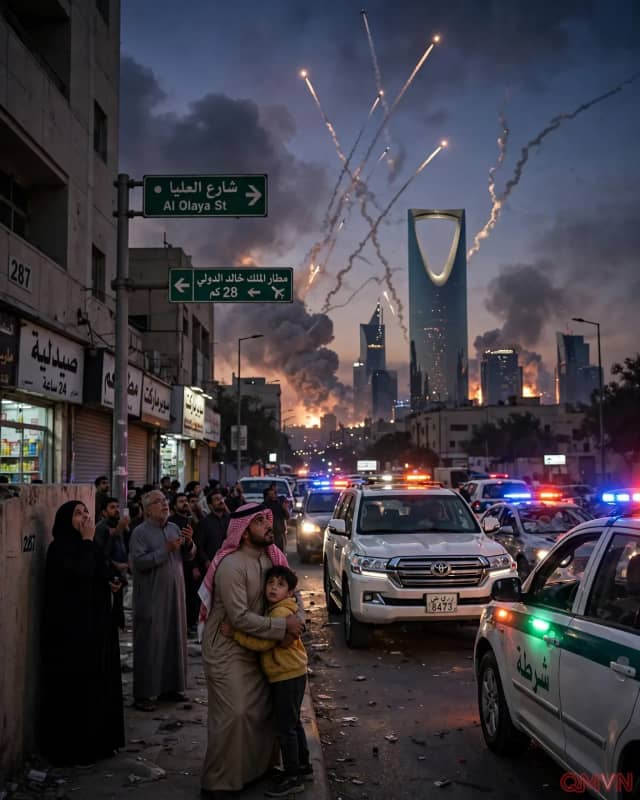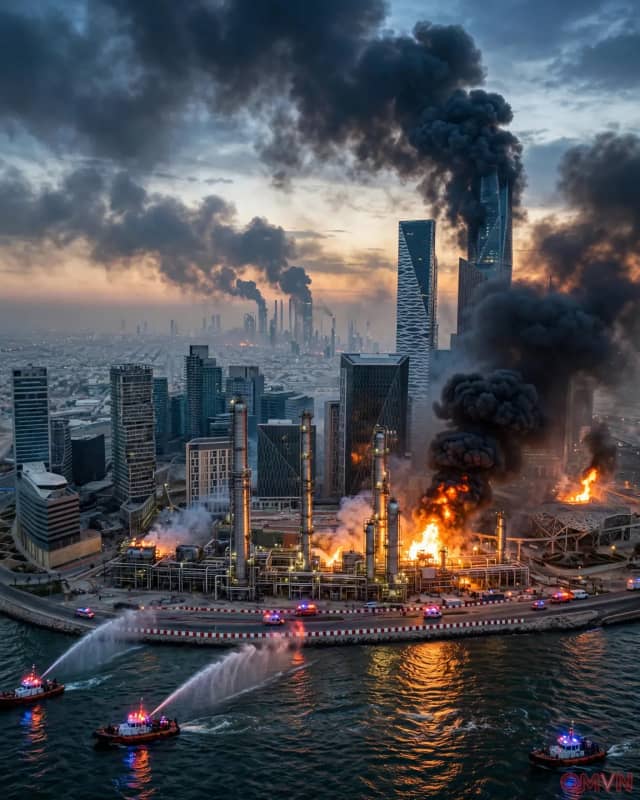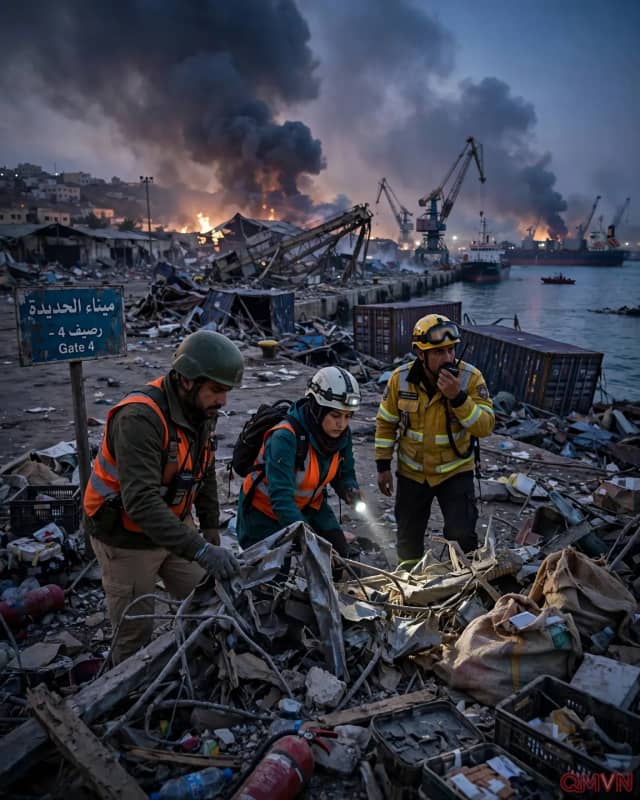
Two symbolic targets
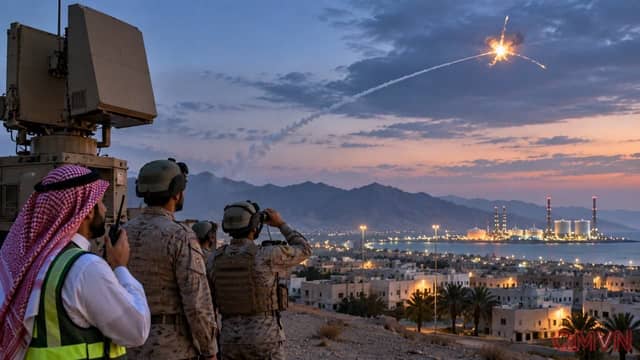
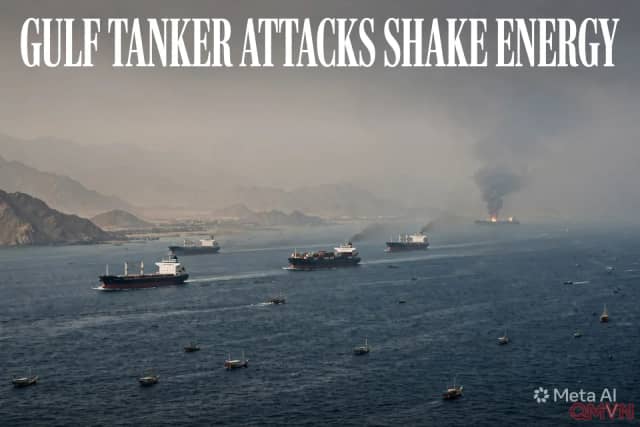
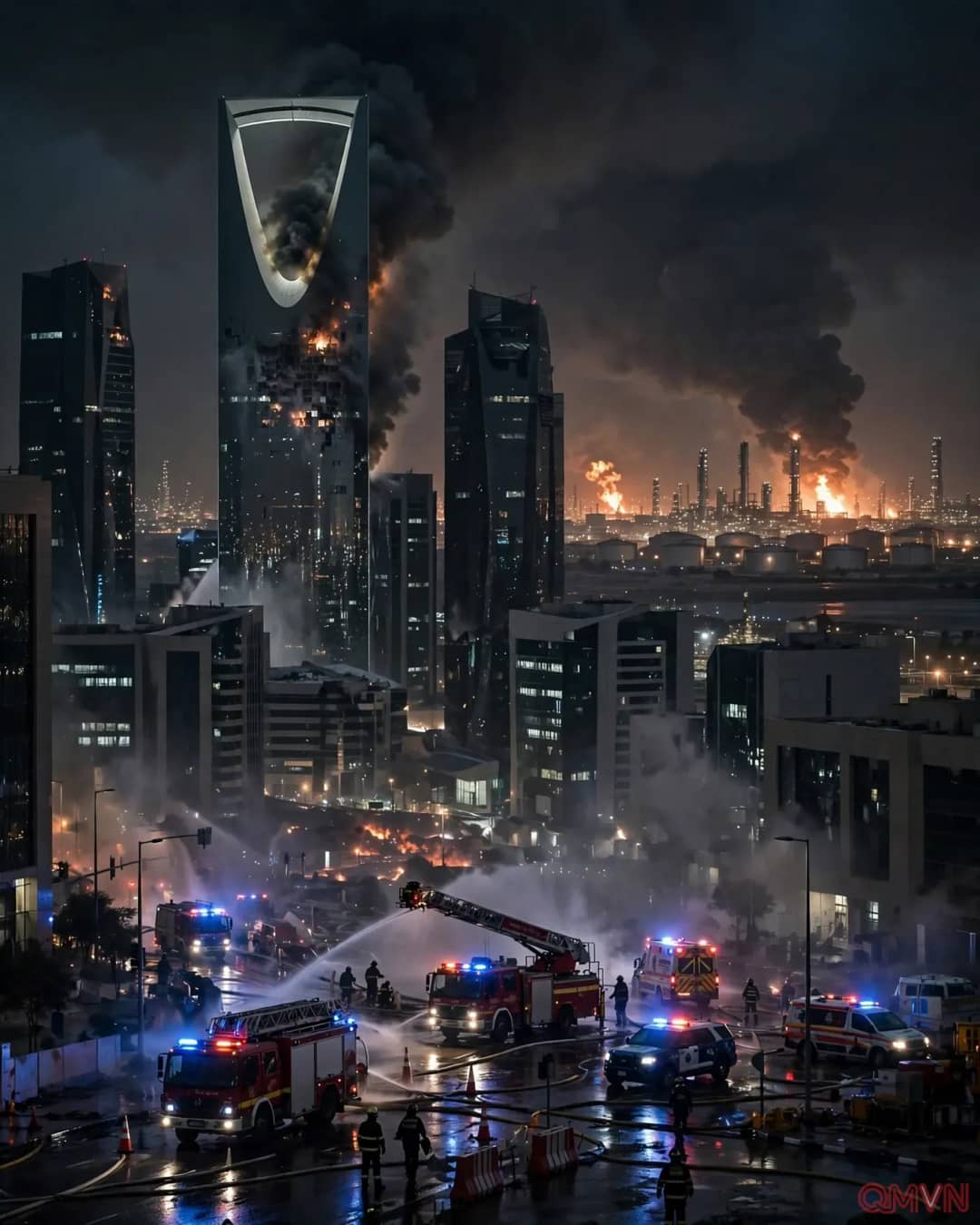
Ras Tanura, on the Gulf coast, is home to a refinery with a capacity of 550,000 barrels a day and a key oil export terminal. Nearly all of Saudi Arabia’s oil exports flow through two main ports, Ras Tanura on the Gulf and Yanbu on the Red Sea, both of which the Houthis have attacked before.
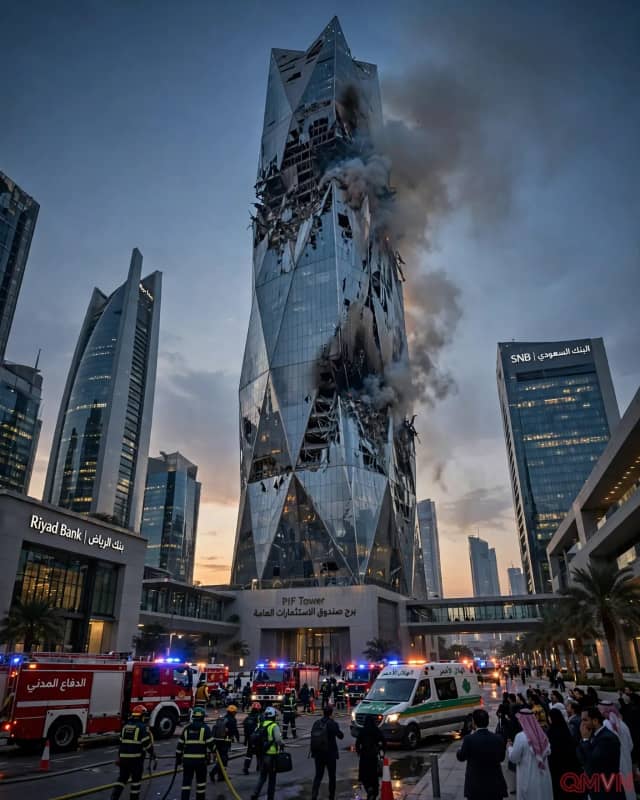
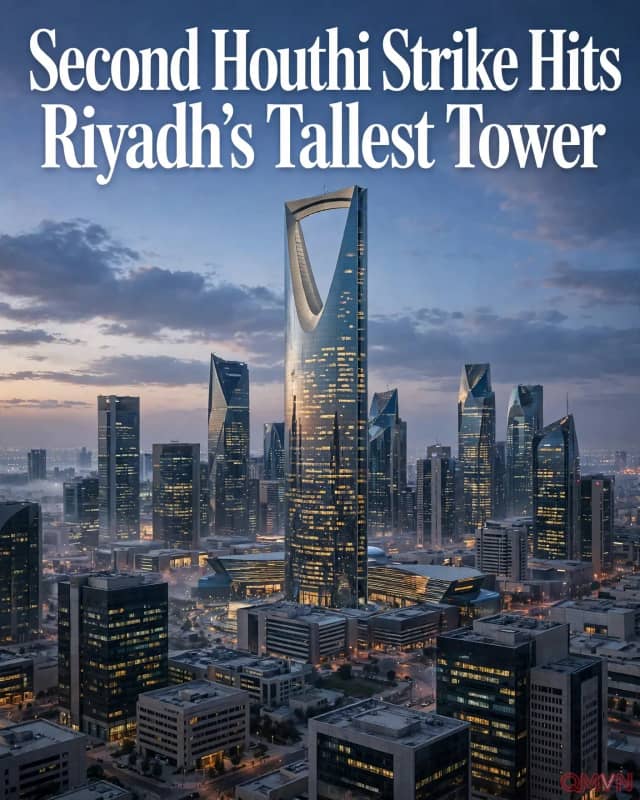
The King Abdullah Financial District (KAFD) in Riyadh, meanwhile, houses the headquarters of the Public Investment Fund, the Saudi stock exchange and many international financial institutions.
It is also a symbol of the kingdom’s Vision 2030 economic diversification drive.
A relentless series of attacks
The latest Houthi claim follows weeks of escalating tension. Notable developments include:
- In October, an attack on Riyadh’s King Khalid International Airport killed 13 people and wounded more than 300, the deadliest attack in Saudi Arabia in more than a decade.
- On October 27, the Houthis claimed a ballistic missile strike on Ras Tanura; at the time, Saudi authorities and Aramco did not confirm a direct hit.
- On November 8, windows were blown out across several floors of Aramco’s building in Riyadh’s financial district, which the Saudi energy ministry attributed to debris from an attempted attack.
According to the Long War Journal, since November 7 the Houthis have launched near-daily attacks on Saudi Arabia, targeting military bases, airports and energy infrastructure, including the East-West oil pipeline.
Where the sides stand
The Houthis say their operations respond to what the group calls Saudi aggression against Yemen. Hazem al-Assad, a member of the Houthi politburo, said earlier that the retaliation would continue.
*“Yemeni response will continue and escalate as long as they persist in their aggression against our people.” — Hazem al-Assad*
For its part, the Saudi-led coalition regularly reports intercepting missiles and drones, has described the attack on Riyadh’s airport as a “full-fledged war crime” and has carried out air strikes on Houthi targets. Saudi Arabia and its allies accuse the Houthis of receiving Iranian support.