From purchasing fuel to building resilience
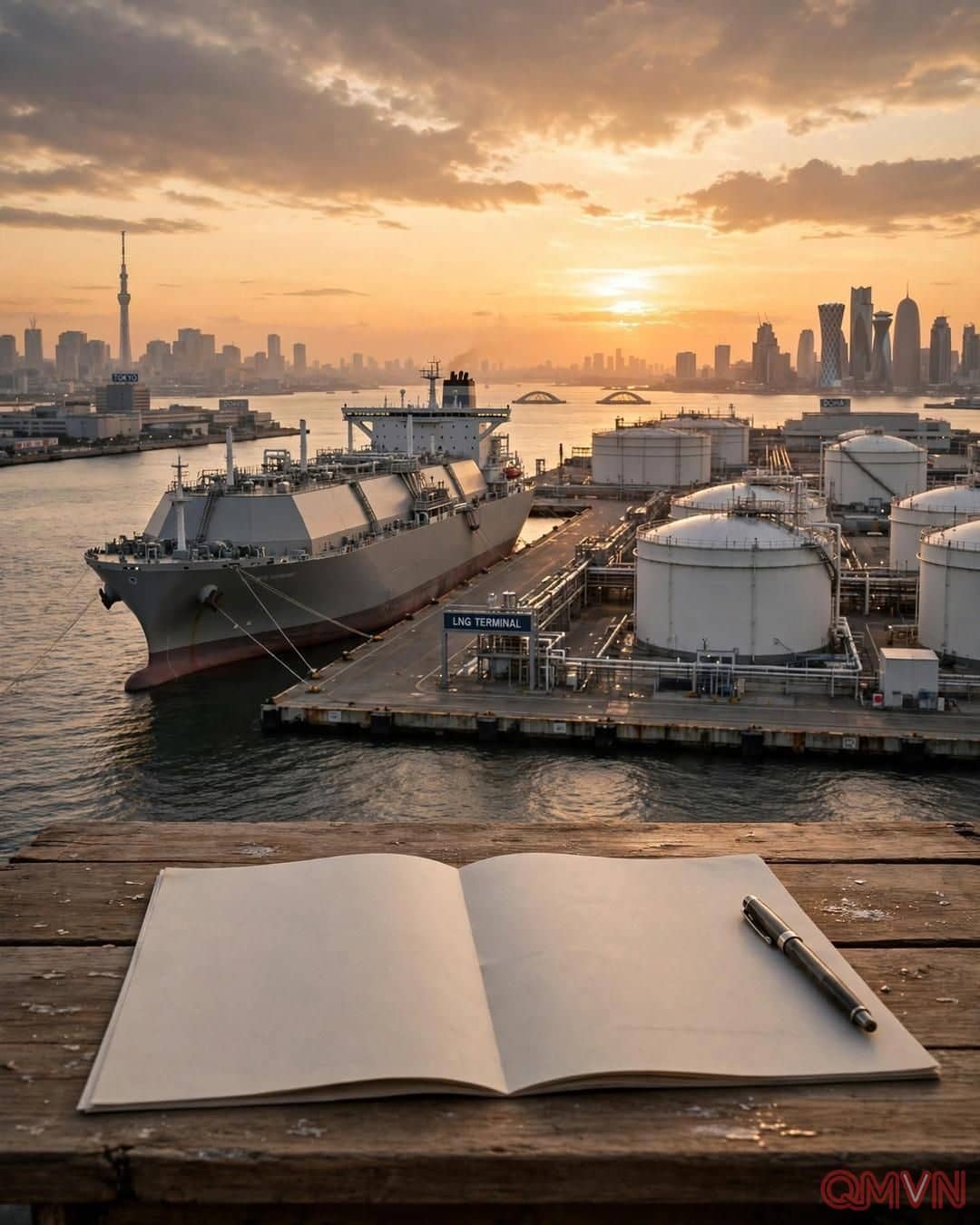
The agreement reflects a broader understanding of the risks facing an import-dependent economy. Buying energy at a competitive price is important, but the availability of ships, terminals, storage and alternative suppliers can matter just as much when markets are disrupted. JBIC, as a public financial institution, can help Japanese companies evaluate overseas projects whose long development periods and exposure to political uncertainty may make conventional financing more difficult. The memorandum does not itself specify committed investment amounts or guarantee delivery volumes.
The distinction matters because an energy partnership is not equivalent to a supply contract. The November announcement is best understood as a framework within which companies and financiers can identify commercially viable projects. Individual transactions would still need financing decisions, contracts and appropriate approvals. By bringing a major producer and a Japanese policy lender into closer coordination, the arrangement may reduce some of the institutional obstacles that stand between a promising proposal and an operating asset. (JBIC, November 25, 2026.)
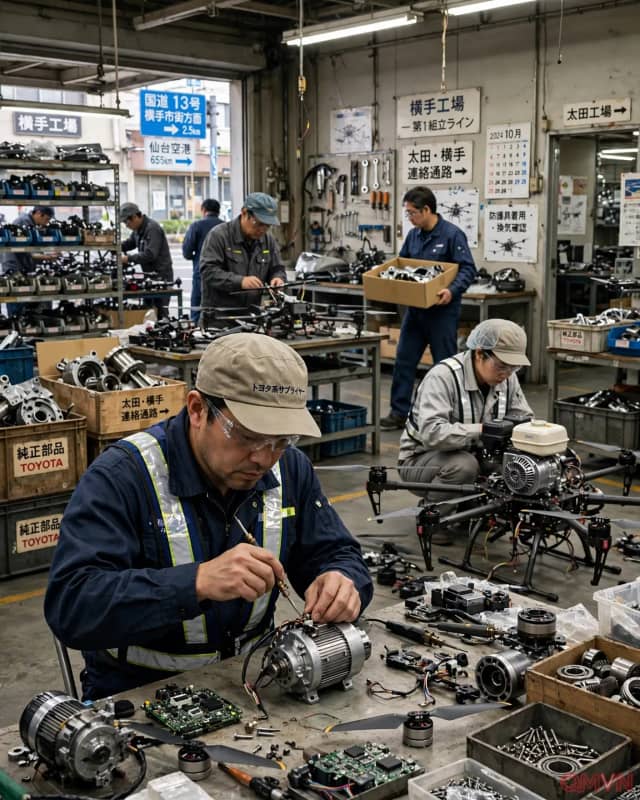
Industrial security reaches beyond natural gas
Qatar’s importance to Japan is not confined to LNG. Naphtha provides feedstock for petrochemical production, while helium is useful in semiconductor manufacturing and medical equipment.